The White House remains one of the most recognizable symbols of American government and a living museum of national history.
For visitors and history lovers, it offers a rare glimpse into historic rooms, curated art, and well-tended gardens that reflect changing tastes and priorities over time.
What you can see and where to go
Public tours typically include several State Rooms on the ground floor and the State Dining Room, where official dinners are held.
The East Room frequently hosts receptions and ceremonies and is often part of the visitor route.
The private living quarters and the Oval Office are not open to public tours, but the public-facing spaces showcase fine American and international artwork, historic furnishings, and interpretive displays that explain the building’s architecture and evolution.
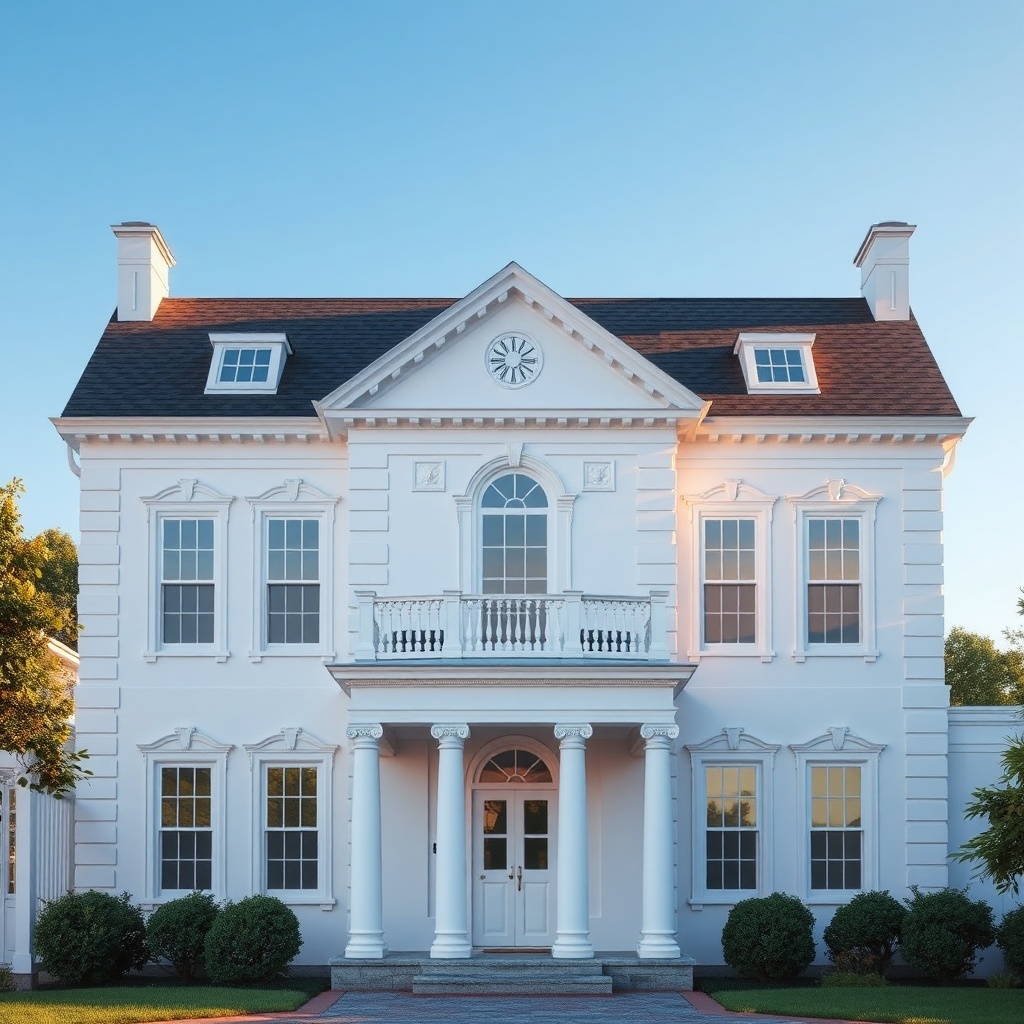
Gardens and grounds
The Rose Garden and surrounding grounds are focal points for outdoor ceremonies and seasonal plantings. Landscaping blends formal design with sustainable practices, highlighting native plants and pollinator-friendly choices in many areas. The South Lawn often hosts public events and traditions that draw families and community groups.
How to request a tour
– U.S. citizens: submit a tour request through the office of your member of Congress.
Embassies assist foreign nationals.
– Plan ahead: requests usually must be submitted several weeks in advance and are granted based on availability and security screening.
– ID and screening: approved visitors must present government-issued identification and pass security checks on arrival.
– Accessibility: accommodations are available for visitors with mobility needs—contact the tour office early to arrange support.
Virtual access and educational resources
For those who cannot visit in person, the White House website and associated historical organizations offer virtual tours, high-resolution images of the art collection, and educational materials for teachers and students. Virtual content makes the building’s history accessible worldwide and complements in-person visits.
Preservation and the art collection
Preservation is a continuous effort.
The White House Historical Association and professional conservators work with curators to care for textiles, paintings, and historic furniture. Rotating exhibitions and seasonal room redecoration highlight different aspects of the collection and reflect ongoing research into provenance and historical context.
Sustainability and modernization
Efforts to modernize building systems while preserving historic fabric are ongoing. Upgrades often focus on energy efficiency, lighting improvements, and HVAC modernization designed to protect delicate materials while reducing environmental impact.
Landscaping strategies increasingly incorporate drought-tolerant and native species to support biodiversity.
Public programs and traditions
Beyond tours, public programming includes special events, educational workshops, and traditions that connect the public to the presidency and civic life. These programs are designed to engage communities, support cultural initiatives, and provide educational opportunities for learners of all ages.
Tips for a smooth visit
– Request tours early and verify acceptance through official channels.
– Arrive with proper identification and leave prohibited items at home or in your vehicle.
– Check online for the latest visitor guidelines, as policies can change with security needs and public health considerations.
– Explore virtual resources beforehand to get more from the in-person experience.
Whether visiting in person or exploring online, the White House offers a layered experience of architecture, art, and civic tradition. It’s a place where history is preserved, presented, and continually reinterpreted for the public to explore.