Washington, D.C. is evolving beyond a capital city of monuments and museums into a model for sustainable urban living.
City planners, neighborhood groups, and civic organizations are collaborating to make streets, waterfronts, and public spaces greener, more walkable, and built to withstand extreme weather — all while preserving the cultural and historic character that draws millions of visitors.
Green infrastructure is visible across neighborhoods. Stormwater management projects use permeable pavement, bioswales, and expanded tree canopy to reduce flooding and improve water quality in the Potomac and Anacostia rivers.
Waterfront redevelopments have shifted the focus from car-centric design to vibrant, mixed-use districts where parks, trails, and public art connect to restaurants and small businesses. The Anacostia Riverwalk Trail and Potomac waterfront promenades make it easy to swap driving for walking or cycling while enjoying river views.
Active transportation continues to grow as a practical way to get around. Capital Bikeshare stations and bike lanes create continuous corridors between downtown, residential neighborhoods, and green spaces. Multi-use trails such as the Rock Creek Park pathways and riverfront trails encourage commuting, recreation, and scenic outings. For shorter trips, e-scooter programs and micro-mobility options add flexibility while reducing congestion.
Public spaces also double as cultural venues. The National Mall remains a focal point for civic life, while neighborhood parks host pop-up markets, performances, and community programming that reflect the city’s diversity. Outdoor museum spaces and sculpture gardens offer fresh-air alternatives for experiencing art and history, making cultural outings more accessible and family-friendly.
Sustainability extends to rooftops and alleys. Green roofs and solar installations lower energy use and mitigate urban heat islands, while alley revitalization projects transform underused backstreets into social corridors with permeable paving, native plantings, and stormwater planters. These interventions improve neighborhood aesthetics and increase resilience against severe storms and heat events.
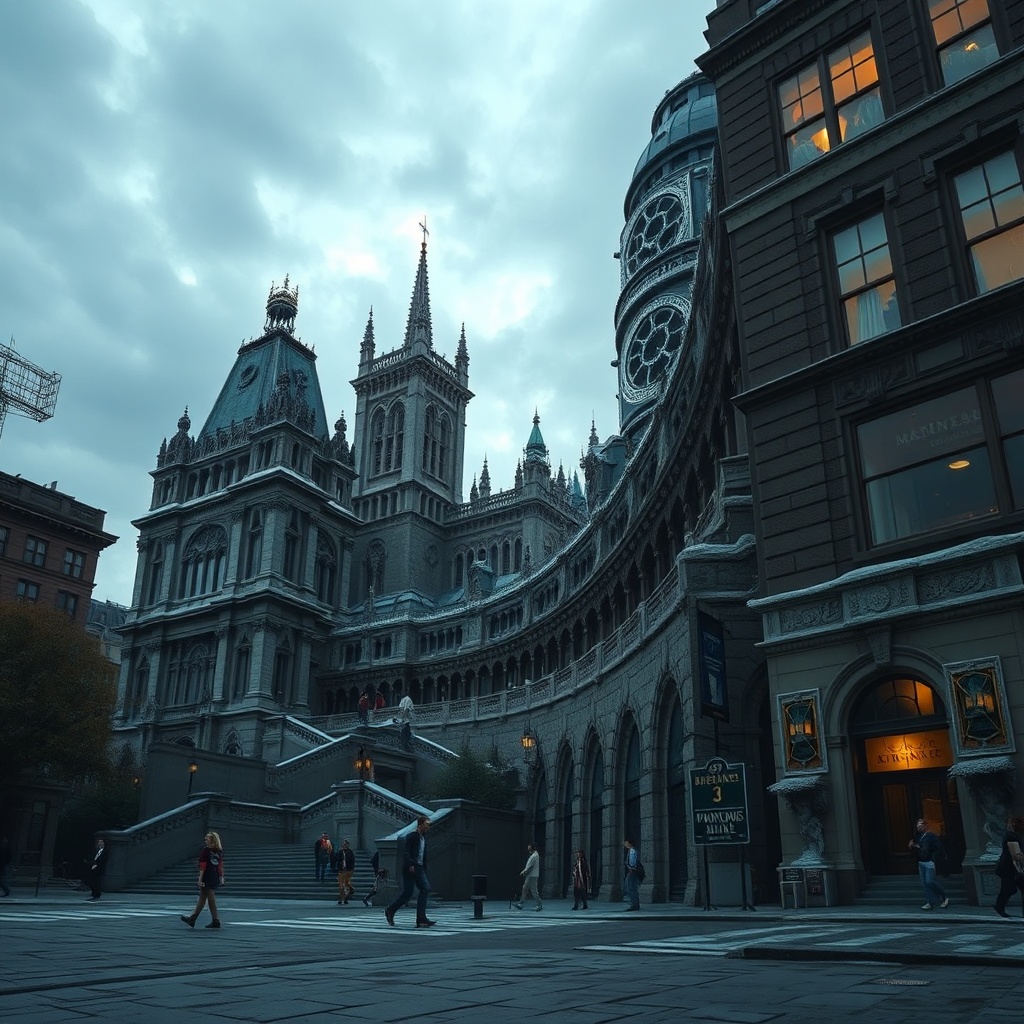
For food and community connection, farmers markets and urban gardens are thriving. Local produce, food vendors, and community-run gardens promote healthy eating, support small farmers, and create gathering places. Neighborhood co-ops and small-business incubators help entrepreneurs reach residents and visitors alike, contributing to a more equitable local economy.
Practical tips for exploring the greener side of D.C.:
– Use public transit or bike-share to avoid parking hassles and discover trails and park nodes that aren’t on typical tourist routes.
– Visit waterfront trails early in the day for quieter strolls and better wildlife viewing along the riverbanks.
– Check neighborhood event calendars for outdoor markets, free performances, and volunteer habitat-restoration opportunities.
– Seek out lesser-known parks such as community gardens, river-edge greenways, and urban wetlands for a more local experience.
As the city continues to invest in nature-based solutions and people-centered design, residents and visitors alike can enjoy a capital that balances urban vitality with environmental stewardship. Whether you’re walking a river trail, browsing a neighborhood market, or discovering new public art along a bike route, the greener side of D.C.
offers refreshing ways to experience the city beyond its landmarks.