Washington Capitals: Balancing Veteran Leadership with a Youth Movement
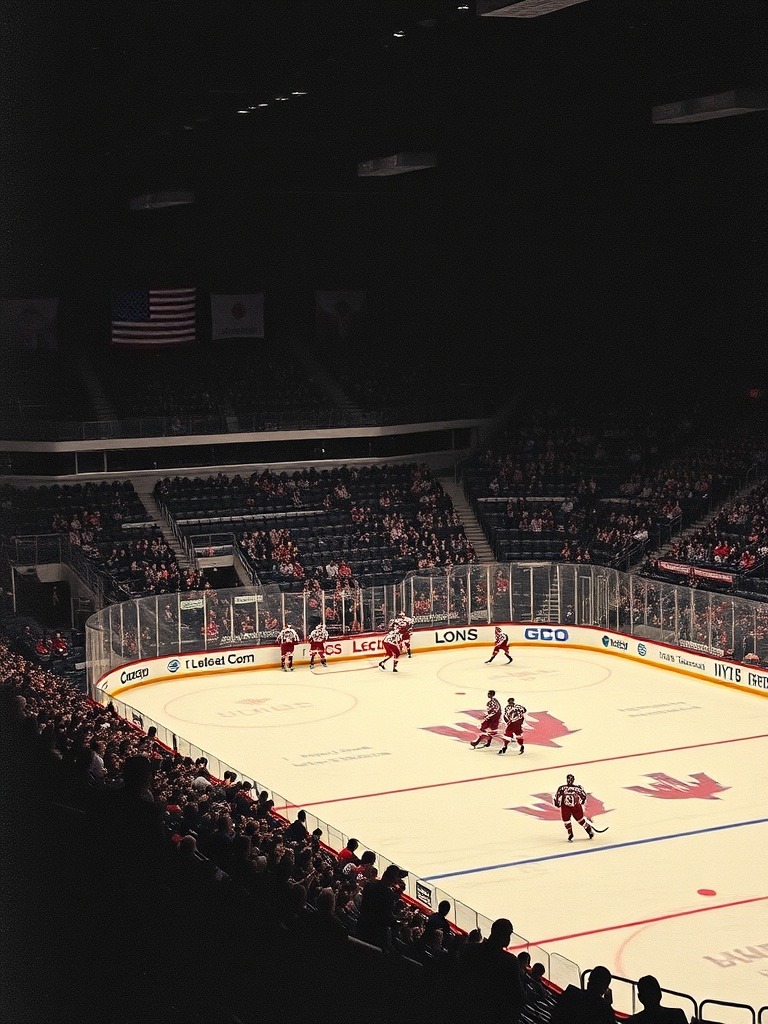
The Washington Capitals remain a focal point for hockey fans thanks to a blend of enduring star power and an emerging pipeline of talent. The franchise’s ability to balance veteran leadership with younger, faster players shapes both on-ice strategy and long-term planning, keeping supporters engaged across the regular season and postseason hopes.
Star leadership anchors the club. The Capitals’ captain is one of the most recognizable goal scorers in the sport, a player whose shot and presence still define the team’s offensive identity. That veteran leadership extends beyond scoring; it sets standards in the locker room and helps guide prospects as they transition to the NHL pace. Maintaining that mentorship while preserving cap flexibility is a key management challenge.
Youth and prospects are central to the Capitals’ forward-looking strategy.
The organization has invested in scouting and player development, aiming to produce depth through the draft and lower-level professional leagues. When prospects arrive ready to contribute, they often bring speed and physicality—attributes that complement the veterans’ experience.
That mix helps the team adapt to modern, faster styles of play while retaining the trademark scoring threat.
Goaltending and defense remain focal points for team building. Consistent goaltending performance stabilizes the lineup, and a reliable tandem can protect the team during slumps on offense. On the blue line, pairing experienced defensemen with younger, mobile players allows for controlled breakout plays and better transition defense. Special teams—power play and penalty kill—often reflect the team’s identity: creativity and aggression on offense, structure and discipline on the kill.
Coaching and systems are evolving to match roster construction. Coaches emphasize quicker zone exits, aggressive forechecking when depth supports it, and flexible neutral-zone strategies to exploit opposing weaknesses. Systems that leverage veteran positional awareness and rookie speed create mismatches and scoring chances, especially with timely line mixing.
Fan engagement and home-ice atmosphere continue to be strengths. Playing in a central arena fosters a lively game-day environment that boosts team morale and creates a challenging environment for visiting clubs. Community outreach programs, youth hockey clinics, and presence in the local market deepen the connection between the franchise and its supporters—important for ticket sales, local sponsorships, and developing the next generation of fans.
Front-office strategy balances immediate competitiveness with asset management.
Cap space, contract timing, and trade-market opportunities influence whether the club pursues defensive reinforcements, offensive depth, or goaltending insurance. Smart cap management and targeted acquisitions can turn a deep roster into a true contender without sacrificing future upside.
What to watch next: how prospects adjust to the NHL, the effectiveness of special teams, and roster moves around the trade deadline.
The Capitals’ mix of proven scorers and young talent creates an intriguing dynamic—one that offers storyline potential and on-ice excitement. Fans should keep an eye on lines that develop chemistry, defensive pairings that stabilize play, and any front-office moves that signal a push for deeper postseason runs.
For supporters tracking the Capitals, staying informed on roster updates, injury reports, and prospect performance gives the clearest picture of the team’s trajectory. Whether following marquee goal scorers or scouting emerging talent, the blend of veteran leadership and youth makes every game worth watching.