The Lincoln Memorial remains one of the most visited and photographed landmarks on the National Mall, a powerful blend of architecture, art, and civic memory.
Perched at the west end of the Mall, the memorial honors a leader synonymous with union, emancipation, and the complex legacy of American democracy. Its location and design invite visitors to reflect—literally and figuratively—thanks to the adjacent Reflecting Pool and the long axis that leads directly to the Washington Monument and Capitol.
Design and symbolism
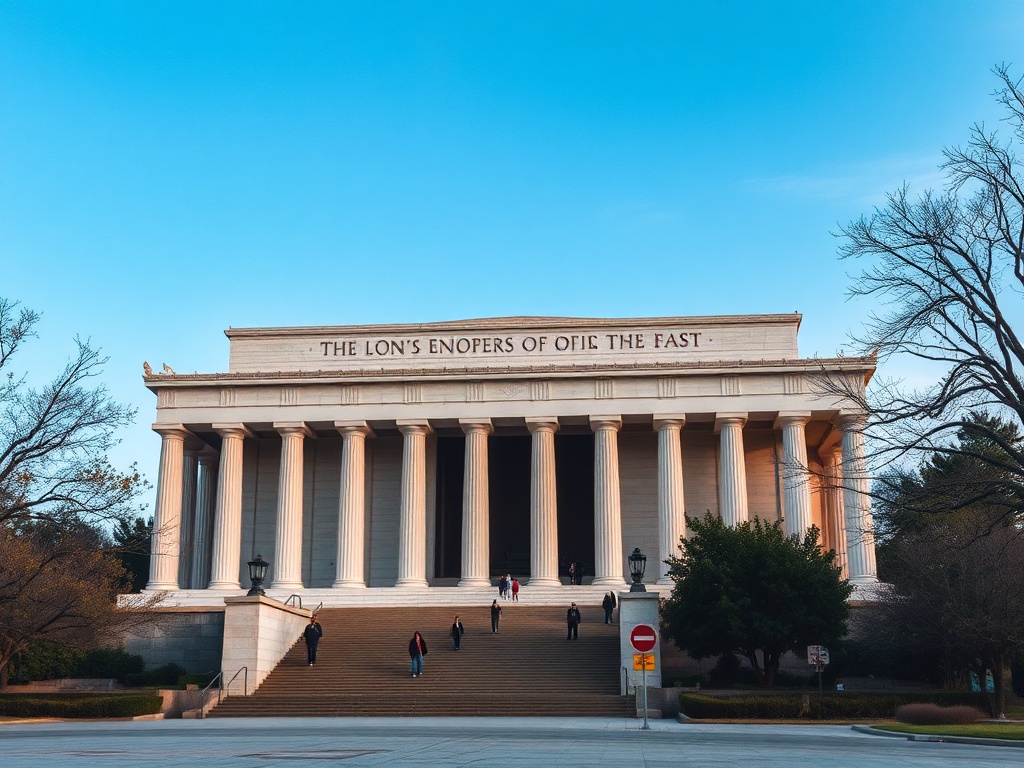
The memorial’s temple-like design draws on classical Greek forms, signaling timeless ideals of democracy and civic virtue.
Fluted Doric columns surround the structure, and the interior houses a monumental seated statue of the honored president carved from white marble. The statue’s scale and posture convey a mixture of quiet authority and contemplation. Along the interior walls are the texts of two of the president’s most famous speeches, presented to encourage study and reflection on themes of unity, equality, and national purpose.
Cultural and civic significance
Beyond being an architectural landmark, the site has long been a platform for civic gatherings, protests, and commemorations. It has hosted moments that helped shape national conversation about civil rights and public policy, making the steps and plaza a natural focal point for demonstration and remembrance.
For many visitors, standing on the memorial’s steps to look across the Reflecting Pool toward the Mall is a profoundly moving experience.
Visitor tips
– Best times: Early morning offers soft light, fewer crowds, and calmer waters in the Reflecting Pool for classic photos. Late afternoon and evening bring dramatic skies and illuminated views, though those times tend to be busier.
– What to bring: Comfortable shoes for the steps and plaza, a camera for sunrise or sunset shots, and a lightweight layer if visiting after dark.
– Accessibility: The memorial provides accessible routes and features for visitors with mobility needs. Check official guidance before visiting for the latest accessibility options and visitor services.
– Respectful behavior: Climbing on monuments, defacing inscriptions, or disrupting other visitors is prohibited. Treat the site as both a public space and a place of remembrance.
– Nearby stops: The memorial is part of a larger cultural corridor that includes multiple museums, memorials, and open green space—allow time to explore the surroundings on foot.
Conservation and stewardship
Ongoing conservation efforts protect the stone, bronze, and surrounding landscape from wear and weather. Careful maintenance preserves the inscriptions and the statue’s finish so future generations can experience the memorial’s intended impact. Public stewardship and responsible visitation play important roles in keeping the site intact.
Why it matters
Part museum, part monument, the memorial offers a layered experience: architectural grandeur, powerful words carved in stone, and a physical setting that encourages civic reflection. Whether you’re drawn by history, architecture, photography, or civic memory, a visit rewards both quiet contemplation and active engagement with the ideals the site commemorates. For visitors seeking a deeper encounter, reading the inscriptions on the walls and pausing on the steps for the view of the Mall helps put many other nearby sites into perspective.