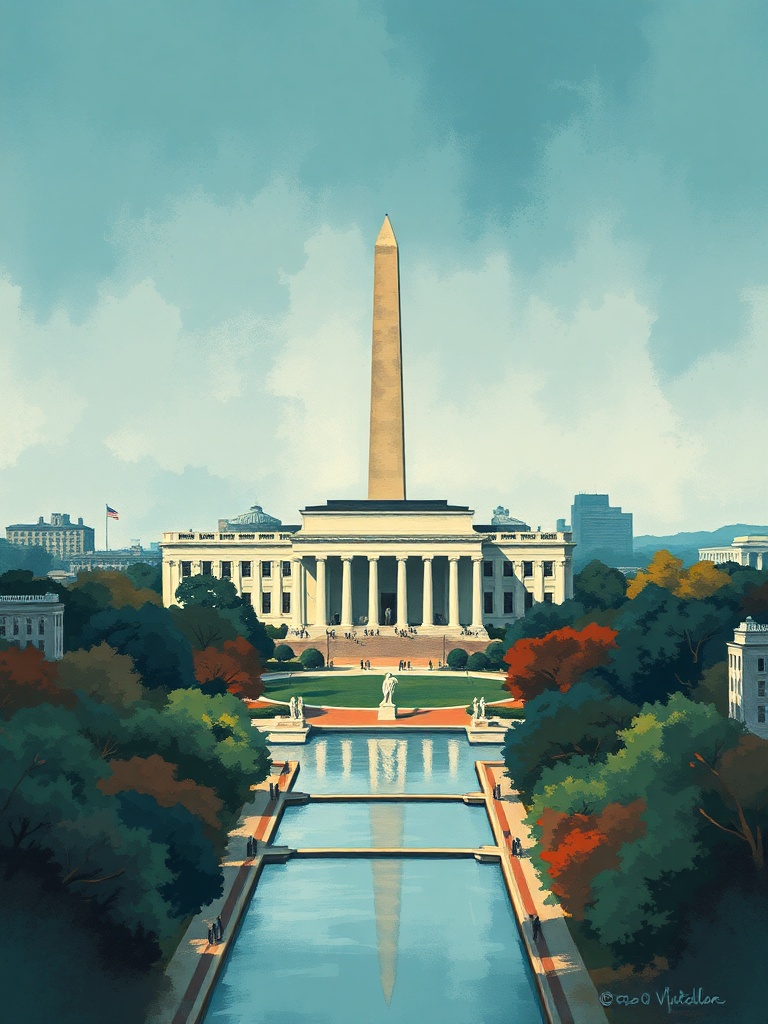
Washington, DC is famous for its monuments and museums, but the city’s neighborhoods, food scene, and riverfront offer layers of discovery for visitors and locals alike.
If you want to move beyond the photographed landmarks and have an authentic DC experience, focus on walkable districts, cultural hubs, and transit-friendly exploration.
Explore neighborhoods with purpose
– Georgetown: Historic cobblestone streets, boutique shopping, and waterfront dining make this an ideal starting point for a leisurely stroll. Paddleboarders and riverfront paths add an outdoor element that contrasts with the neighborhood’s refined architecture.
– U Street and Shaw: Known for live music, vibrant nightlife, and a strong culinary scene, these adjacent neighborhoods are where jazz history meets contemporary dining and craft cocktails.
– Adams Morgan and Columbia Heights: Colorful storefronts, international eateries, and late-night cafes attract a younger, more eclectic crowd. These areas are great for sampling global flavors on a budget.
– Capitol Hill and Eastern Market: Beyond the Capitol steps, find a bustling farmers’ market, independent shops, and rowhouse charm. Weekends are perfect for picking up local produce, art, and antiques.
Cultural experiences off the beaten path
The city’s free and low-cost institutions extend well beyond the most photographed museums. Small galleries, independent theaters, and cultural centers showcase local and international voices. Look for rotating exhibitions, author talks, and late-night museum hours to get a deeper sense of the city’s creative energy.
Waterfronts and outdoor life
The Potomac and Anacostia waterfronts have been reimagined into walkable destinations with seasonal programming, pop-up markets, and public art. The Wharf combines boat access, live music, and al fresco dining, while trails along the Anacostia River offer quieter biking and birdwatching opportunities. For a scenic workout, rent a kayak or join a guided paddle on the river.
Where to eat like a local
DC is a surprising capital of diverse cuisines. Ethiopian restaurants on U Street, seafood joints near the waterfront, and late-night chili counters around the city offer memorable meals at different price points.
Food halls and market-style venues are a quick way to try multiple vendors, while neighborhood bakeries and coffee shops make great pit stops for people-watching.
Getting around smartly
Public transit is efficient and connects most major attractions. Use the Metro for longer cross-city trips, and hop on the Circulator buses for short, budget-friendly routes. Bike-sharing programs and dockless scooters make first- and last-mile travel simple—just be mindful of bike lanes and pedestrian traffic. Walking remains one of the best ways to discover unexpected shops, murals, and historic architecture.
Practical tips to maximize your visit
– Start early at popular outdoor sites to avoid crowds and catch softer light for photos.
– Many museums and landmarks offer free or pay-what-you-can admission—plan accordingly so you can prioritize the experiences that matter most.
– Balance headline attractions with neighborhood exploration: one structured museum day and one wandering day delivers variety.
– Check event calendars for outdoor concerts, markets, and street festivals that showcase local culture.
Why this approach works
Seeing Washington, DC beyond the monuments reveals the city’s layered personality—from quiet river stretches and lively food scenes to neighborhoods with distinct histories and rhythms. Whether you have a few hours or several days, focusing on walkable neighborhoods, local eats, and flexible transit choices turns a standard itinerary into a memorable urban adventure.