The Lincoln Memorial is one of the most visited and photographed monuments on the National Mall, blending monumental architecture, carefully chosen inscriptions, and a powerful cultural legacy. Whether you’re planning a first visit or returning with fresh eyes, understanding what makes the memorial meaningful enhances the experience.
Why the memorial matters
The memorial honors Abraham Lincoln and reflects values of unity, equality, and democracy. Its interior houses a large seated statue and walls inscribed with two of Lincoln’s most famous speeches.
Those words and the monument’s design have made it a natural gathering place for reflection, protest, and celebration, giving the site enduring civic significance.
Architecture and symbolism
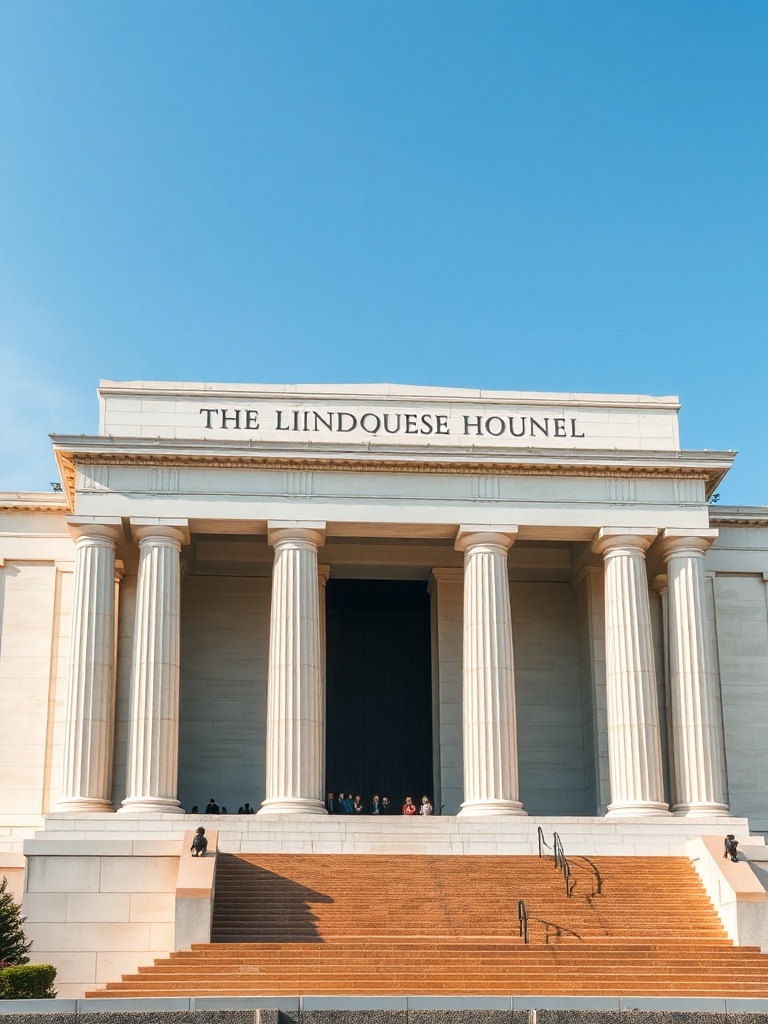
Modeled after a classical Greek temple, the memorial features a ring of columns surrounding the central chamber. The use of Doric elements and a restrained, monumental approach was chosen to convey permanence and gravity.
The seated statue captures a contemplative, resolute Lincoln; inscriptions and sculptural details reinforce themes of national purpose and emancipation.
Many symbolic choices — from column count to sculptural motifs — were selected to communicate specific messages about union and liberty.
What to see and do
– Interior: Walk the interior chamber to take in the statue and read the inscriptions. The acoustics and scale create a solemn atmosphere that invites reflection.
– Steps and view: Standing on the steps provides a classic perspective down the Mall toward the Washington Monument. It’s an ideal spot for photos, especially at sunrise or after sunset when lighting is dramatic.
– Reflecting Pool: The mirror-like pool between the memorial and other landmarks creates iconic reflections and is a favorite for photographers.
– Nearby memorials: The site sits among several other important monuments and museums, making it easy to combine visits into a meaningful walking tour.
Visiting tips
– Best times: Early morning and late evening are quieter and offer softer light for photography. Weekends and mid-day can be crowded.
– Photography: For the full scale, use a wide-angle lens from the steps or the plaza.
For intimate shots of the statue and inscriptions, a mid-telephoto lens helps isolate details without distortion. Long exposures can give the Reflecting Pool a silky look in low light.
– Accessibility: Accessible routes and ramps make the memorial reachable for visitors with mobility needs. Plan for some walking when linking the memorial with other Mall attractions.
– Respectful behavior: The memorial is both a tourist site and a place of civic memory. Keep noise low, follow posted guidelines, and be mindful of organized events or ceremonies.
Preservation and stewardship
Ongoing conservation work addresses stone, bronze, and marble wear caused by weather, pollution, and visitor traffic. Preservation efforts aim to maintain original materials and design while improving visitor amenities and accessibility. Supporting official preservation organizations helps ensure the memorial remains a powerful public space for future visitors.
Why it continues to resonate
The Lincoln Memorial’s blend of art, architecture, and inscription creates a space where history and civic ideals converge. Its prominence on the Mall and recurring role in public life keeps it relevant for ceremonies, education, and personal reflection. Visiting with awareness of both the design and the words carved into its walls deepens appreciation for what the monument seeks to represent.