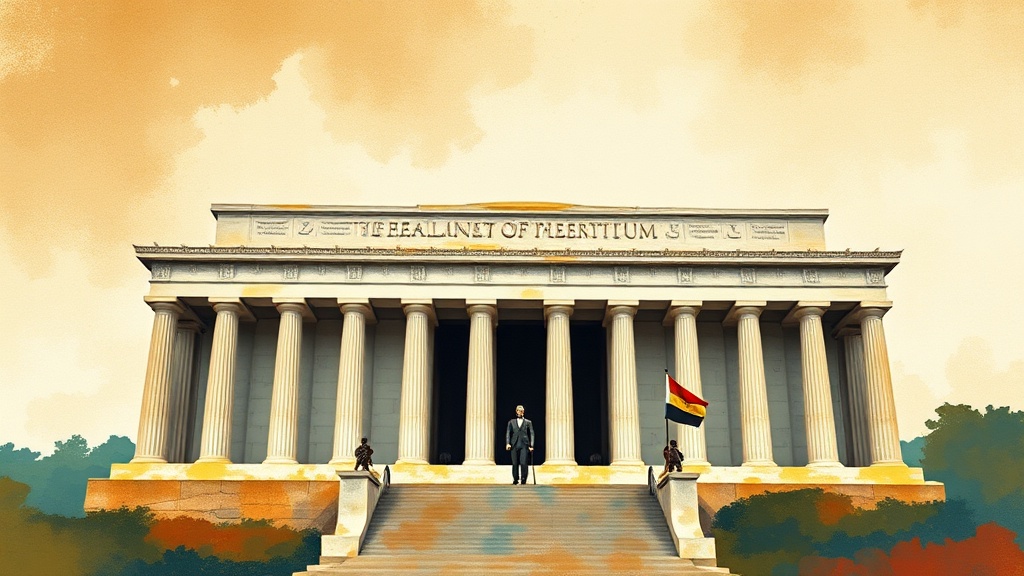
The Lincoln Memorial stands as one of the most visited and photographed landmarks on the National Mall, a place where architecture, history, and public life intersect. Its powerful presence—a classical temple housing a monumental seated figure—continues to draw visitors who come to reflect on democracy, civil rights, and national memory.
What to see and why it matters
– The seated Lincoln statue dominates the interior, offering a contemplative focal point. Surrounding inscriptions include parts of the President’s most famous speeches, engraved on the interior walls to frame his ideals.
– The memorial’s exterior, with its Doric columns and elevated platform, creates a symbolic stage overlooking the Reflecting Pool and the skyline beyond. That axial relationship to nearby memorials reinforces the site’s role in civic rituals, protests, and public celebrations.
– The steps and plaza are historically significant as a gathering place for large demonstrations and speeches that shaped national discourse. Visitors frequently pause on the steps or inside the chamber to absorb the layered meanings of the space.
Practical visitor tips
– Arrive early or later in the evening to avoid peak crowds and to experience softer light for photography.
Sunrise and dusk offer particularly dramatic views across the Reflecting Pool.
– Public transit access makes the memorial easy to reach. Walkable routes along the Mall connect multiple memorials, which is ideal for a contemplative loop.
– Wear comfortable shoes—there are many steps and terraces—and bring a water bottle for warmer days. Shade is limited on the plaza itself.
– Security and maintenance can affect entry during major events; check official National Park Service channels for temporary closures or special programming before planning a visit.
Photography and drone rules
– The setting is a photographer’s dream: strong lines, reflective surfaces, and a monumental subject. Compose shots that include the Reflecting Pool or use the memorial’s interior to capture the statue framed by the inscriptions.
– Drone flights are not permitted over the National Mall and its memorials; follow posted rules and local regulations to avoid fines and ensure safety.
Accessibility and interpretation
– The memorial provides accessible routes, including ramps and elevators, so visitors with mobility challenges can reach the main chamber and enjoy interpretive exhibits.
– Ranger-led programs and audio tours offer context about the site’s architecture, symbolism, and role in civic life. Look for educational materials and signage that deepen appreciation without overwhelming the experience.
Preservation and stewardship
– Ongoing conservation addresses weathering, visitor impact, and environmental stress on marble and other materials.
Preservation efforts balance public access with the need to protect inscriptions, sculptures, and structural elements.
– Visitor behavior matters: avoid leaning or climbing on monuments, and follow posted guidelines to help preserve delicate stonework for future visitors.
Civic life and the memorial today
– The site remains a living forum where people gather for remembrance, protest, and celebration. Its enduring power comes from the way it invites reflection while accommodating active civic engagement.
– Whether you’re drawn by history, architecture, or the simple grandeur of the setting, the Lincoln Memorial rewards patient observation. Spend time on the steps, read the inscriptions aloud, and consider the ongoing conversations about freedom and equality that continue to animate the space.