How George Washington University’s D.C. location powers student opportunity
George Washington University sits at the crossroads of higher education and public life, making location one of its most valuable assets. Nestled in the Foggy Bottom neighborhood and a short ride from the seat of government and major cultural institutions, the university offers students unique access to internships, research partnerships, and experiential learning that are hard to replicate elsewhere.
Turn proximity into career momentum
One of the clearest advantages of studying at George Washington University is the ease of turning classroom learning into professional experience. Students regularly land internships with federal agencies, congressional offices, regulatory bodies, international organizations, think tanks, media outlets, and non‑profits.
To maximize that pipeline:
– Use the university’s career services and alumni network early—attend employer panels, on‑campus recruiting events, and informational interviews.
– Combine academic projects with externships or credit-bearing internships to build both résumé content and faculty recommendations.
– Target niche offices and smaller organizations where hands-on responsibility is greater; these often lead to substantive work and lasting contacts.
– Be proactive with outreach—well-crafted cold emails and informational meetings can open doors faster than waiting for posted openings.
Academic strengths that connect to practice
Schools like the Elliott School of International Affairs, the Milken Institute School of Public Health, the law school, and business and engineering programs leverage D.C.’s policy landscape to provide applied learning. Faculty often collaborate with policymakers and practitioners, and capstone projects frequently involve real-world stakeholders. Research centers and policy labs based at the university offer opportunities for students to assist on funded studies, contribute to white papers, and present findings to local and national audiences.
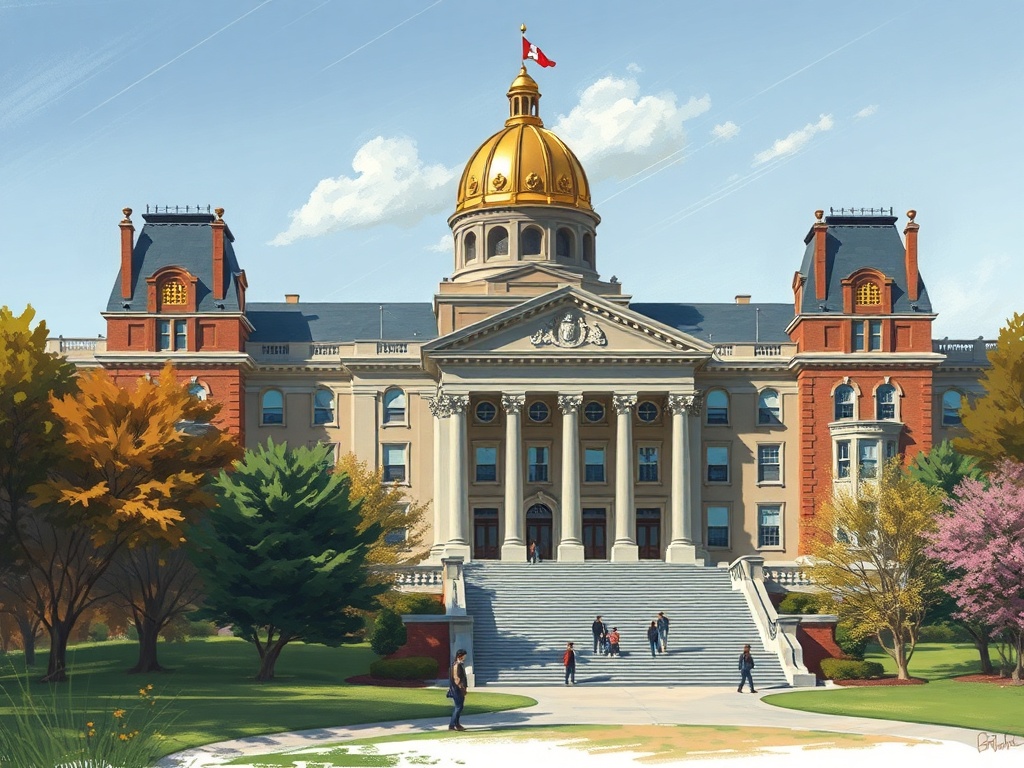
Campus life blended with the city
Life at George Washington University blends traditional campus experiences with city living. Residence halls, student organizations, and campus events coexist alongside museums, theaters, internships, and volunteer sites.
Cultural resources—museums, galleries, and performance venues—are within easy reach for classes and leisure. Public transit and bike-friendly routes make commuting straightforward, and campus safety initiatives help students navigate urban life confidently.
Sustainability and community engagement
Sustainability and community engagement are active parts of campus strategy.
Students can get involved in initiatives ranging from energy and waste reduction projects to community health outreach and urban planning collaborations. These opportunities allow students to apply classroom knowledge to local challenges, build cross-sector partnerships, and add measurable outcomes to their portfolios.
Practical tips for applicants and students
Prospective and current students should plan early to make the most of what George Washington University offers:
– Map career goals to campus resources—schedule regular meetings with advisors and career counselors.
– Build relationships with faculty and campus research centers; mentorship often leads to internships and job referrals.
– Participate in student organizations that mirror professional interests; leadership experience is highly valued by employers in D.C.
– Prioritize experiential courses and fieldwork that include site visits or external collaborators.
George Washington University’s strength lies less in a single program than in how all parts of campus connect to a vibrant civic ecosystem. Students who intentionally leverage location, networks, and applied learning can accelerate professional development and leave with practical experience that resonates with employers across public, private, and nonprofit sectors.