The Lincoln Memorial stands as one of the most recognizable monuments in Washington, D.C., drawing visitors for its architecture, symbolism, and powerful association with American history.
Perched at the western end of the National Mall, the memorial combines neoclassical design, monumental scale, and carefully chosen inscriptions to create a place for reflection, protest, and national commemoration.
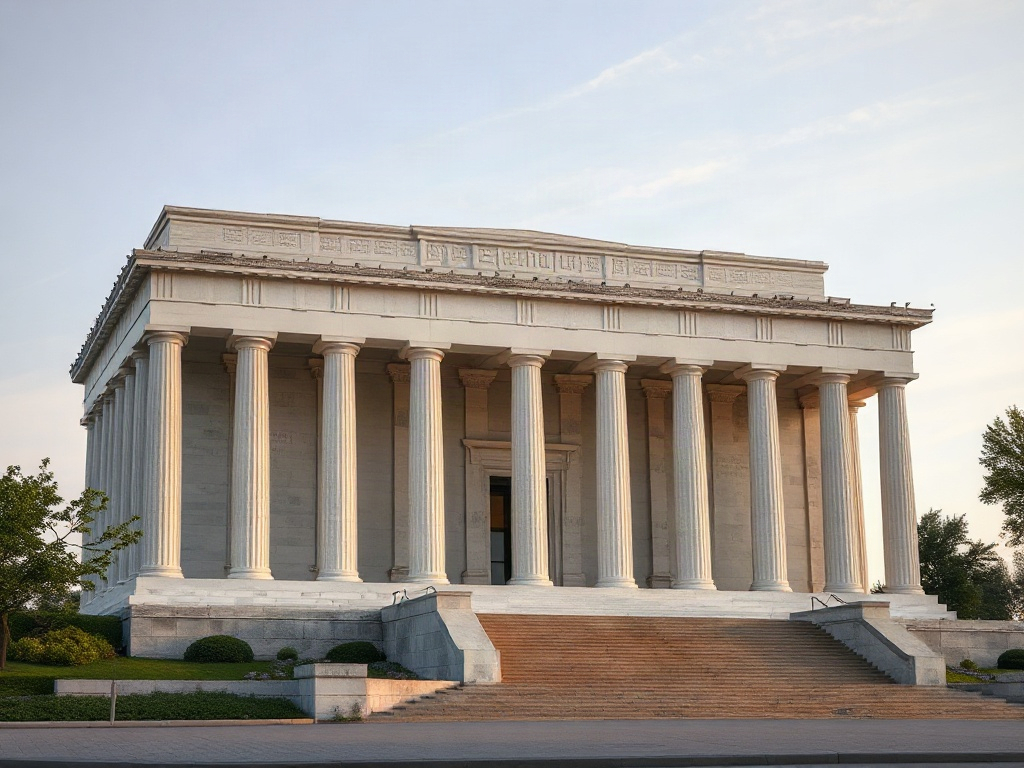
Designed to evoke a Greek temple, the memorial’s exterior features a colonnade that surrounds a single interior chamber housing a seated statue of Abraham Lincoln. The number of columns and the use of austere, classical proportions were chosen to communicate permanence and dignity. Inside, visitors encounter the statue’s monumental presence, flanked by inscriptions of two of Lincoln’s most famous speeches. Those words, carved into the stone, invite contemplation about liberty, equality, and the duties of citizenship.
Beyond its architectural and artistic qualities, the Lincoln Memorial has become a living stage for civic life.
It frequently serves as the backdrop for public gatherings, vigils, and speeches, reflecting its role as a venue where Americans have expressed grief, hope, demands for justice, and calls for unity. One of the most memorable moments associated with the memorial is a landmark civil rights address delivered on its steps; that connection continues to shape the site’s identity as a symbol of the ongoing struggle for equality.
Preservation is central to maintaining the memorial’s dignity. Made of stone and bronze, the structure faces gradual wear from weather, pollution, and heavy foot traffic. Conservation teams routinely inspect the building, address surface soiling, repair joints, and apply treatments to protect inscriptions and sculpture.
Lighting and visitor amenities are also updated periodically to balance modern needs with historic integrity.
Visitors can often see subtle evidence of these efforts in carefully staged repairs or temporary barriers near sensitive areas.
Practical advice for visitors enhances the experience. To avoid peak crowds, plan a visit early in the morning or later in the evening when the monument is beautifully illuminated and the Reflecting Pool provides a serene foreground. The memorial is accessible by public transit, and pedestrian routes from nearby museums and monuments make it easy to include in a walking tour of the Mall. Respectful behavior is expected; climbing on monuments or defacing inscriptions can lead to fines and damages.
Photography is popular, especially from vantage points that capture the statue framed by the colonnade or the memorial’s reflection in the pool.
For quieter photography, seek out angles from the grass near the pool or from the low terraces along the Mall.
Keep in mind that large organized gatherings may require permits, so check current guidance from park authorities if planning an event.
The Lincoln Memorial’s continued relevance comes from the way design, inscriptions, and public use converge. It is both a tribute to a single leader and a canvas for collective memory—where generations come to mark milestones, mourn losses, and renew civic commitments. Whether visiting as a first-time tourist or returning for contemplation, the memorial invites thoughtful engagement with the nation’s ideals and the work still needed to realize them.