Georgetown University: Where Washington Shapes Careers in Diplomacy and Policy
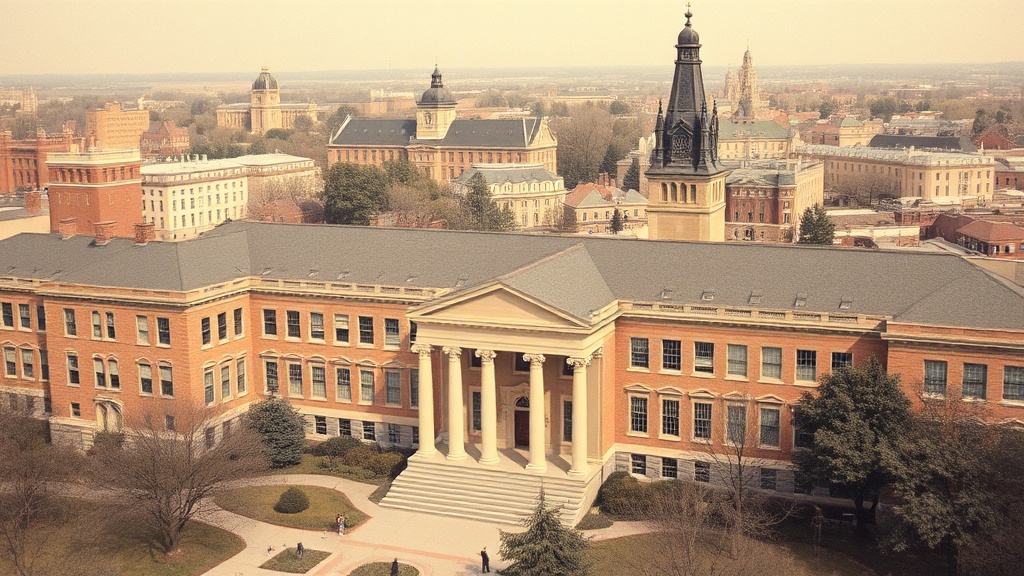
Georgetown University’s position in the heart of Washington, D.C., makes it a powerful launching pad for students interested in diplomacy, international affairs, law, and public policy. The university combines rigorous academic programs with daily access to government agencies, international organizations, think tanks, and global embassies—creating an ecosystem where classroom learning and real-world experience reinforce each other.
Academic strength with practical focus
The School of Foreign Service is widely recognized for educating future diplomats and international professionals. Its curriculum weaves together political science, economics, languages, and regional studies, while encouraging interdisciplinary collaboration with the Law Center, McDonough School of Business, and the medical and public health programs. Students benefit from small seminars and research opportunities that tackle contemporary global challenges, from migration and trade to climate and security.
Real-world experience on the doorstep
What distinguishes Georgetown is the constant proximity to practical opportunities. Internships on Capitol Hill, placements at federal agencies, and work with NGOs and international organizations are part of the student experience. Many students combine semester coursework with part-time placements in policy offices or at embassies, gaining a blend of skills prized by employers. Career services and faculty networks help translate these experiences into meaningful post-graduate pathways.
Research centers that inform policy
Georgetown hosts a network of research centers that bridge academia and policy. Centers focused on diplomacy, global health, ethics, and international law regularly convene events that attract policymakers, visiting scholars, and industry leaders. These forums allow students and faculty to contribute to debates on pressing issues, while offering exceptional access to subject-matter experts and mentorship.
A community oriented toward service and advocacy
Student life at Georgetown reflects a commitment to public service. Student organizations range from debate and Model UN to community-engaged initiatives that partner with D.C.
neighborhoods. This blend of activism and civic engagement fosters leadership skills and practical problem-solving. Campus traditions and the historic architecture provide a strong sense of identity, while the adjacent Georgetown neighborhood and waterfront offer cultural and recreational outlets.
Global alumni network
The university’s global alumni network is a significant asset. Graduates work across foreign ministries, international organizations, NGOs, media, and the private sector. This network provides mentorship, internships, and job opportunities—often helping new graduates step directly into influential roles in diplomacy and policy.
Preparing for changing challenges
As global issues evolve, Georgetown continues to adapt its programs to emphasize cross-disciplinary fluency, data literacy, and ethical leadership.
Newer course offerings and experiential programs reflect the changing landscape of global affairs, preparing students to navigate complex problems and to shape policy in responsible ways.
Advice for prospective students
– Seek programs that combine coursework with internships or fieldwork to build both theoretical knowledge and practical skills.
– Leverage faculty and alumni networks early—informational interviews and mentorships often lead to competitive placements.
– Engage with research centers and public events on campus to deepen subject-matter expertise and visibility.
– Balance academic rigor with community involvement to develop leadership, communication, and cross-cultural skills.
For students drawn to international engagement, public service, or law, Georgetown offers a convergent environment where proximity to the nation’s political core, strong academic programs, and an active alumni network work together to shape meaningful careers.