The White House occupies a unique place at the intersection of history, governance, and public life. More than a residence, it is a working office, a ceremonial stage, and a curated museum open to the public through carefully managed programs. Balancing accessibility with preservation and modern security needs is an ongoing challenge that shapes how visitors and citizens experience this iconic site.
Public access and visitor experience
Public tours provide a rare opportunity to see state rooms, historic portraits, and the architecture that has hosted milestone events. Tour availability often depends on scheduling and security, and requests are commonly routed through congressional offices or embassies for international visitors. Beyond in-person tours, digital initiatives and virtual walk-throughs make parts of the White House accessible to broader audiences, expanding educational reach and reducing barriers for those who cannot visit in person.
Preservation and historic stewardship
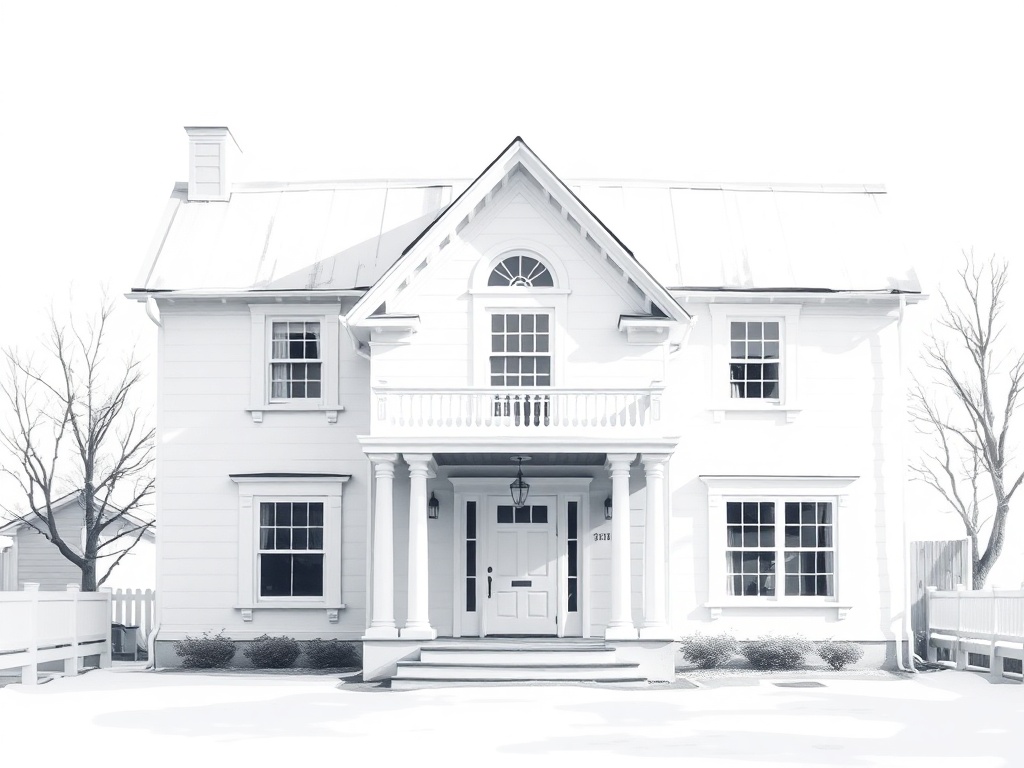
Preserving the White House requires constant attention. Curators, conservators, and preservation committees work together to maintain historic furnishings, textiles, and architectural details while ensuring the building meets contemporary standards for safety and comfort. Rotating exhibits and careful conservation practices help protect delicate artifacts from light, humidity, and wear. Private-public partnerships and nonprofit organizations often support restoration projects and educational programming, reinforcing the White House’s role as both a living institution and a steward of national heritage.
Modernization and sustainability
Modern demands require the White House to integrate discreet technological upgrades without compromising historic character. Upgrades typically focus on energy efficiency, climate control, and infrastructure resilience—measures that protect both the building and its collections. Communications systems and cybersecurity measures are routinely updated to support the complex needs of a functioning executive office. At the same time, visible changes are minimized so that visitors continue to encounter the historic atmosphere that defines the site.
Security and public safety
Ensuring safety is a central priority, and visible security measures are complemented by layered, behind-the-scenes systems. Perimeter controls, screening procedures for tours and events, and coordination with multiple agencies shape how the public interacts with the grounds. While specifics about security are necessarily limited, the goal is to enable legitimate public access—such as tours, official ceremonies, and public events—while protecting the people and functions within.
Public programs and civic engagement
The White House hosts a range of public-facing programs that highlight culture, education, and civic life.
Seasonal displays, garden events, and special guest programs attract families, students, and international visitors. Educational outreach—through school programs, internships, and partnerships with cultural institutions—helps connect younger generations with civic institutions and historical narratives. These programs underscore the White House’s role as a place where policy, culture, and public life converge.
Why it matters
The White House functions as both a symbol and a working institution. Its management reflects a continuous effort to honor historical legacy while accommodating the practical needs of modern governance and public access. For visitors, this means encountering a carefully preserved historic site that remains central to national civic life. For citizens, it represents an evolving balance between openness, preservation, and security—one that shapes how history and governance are experienced and understood.