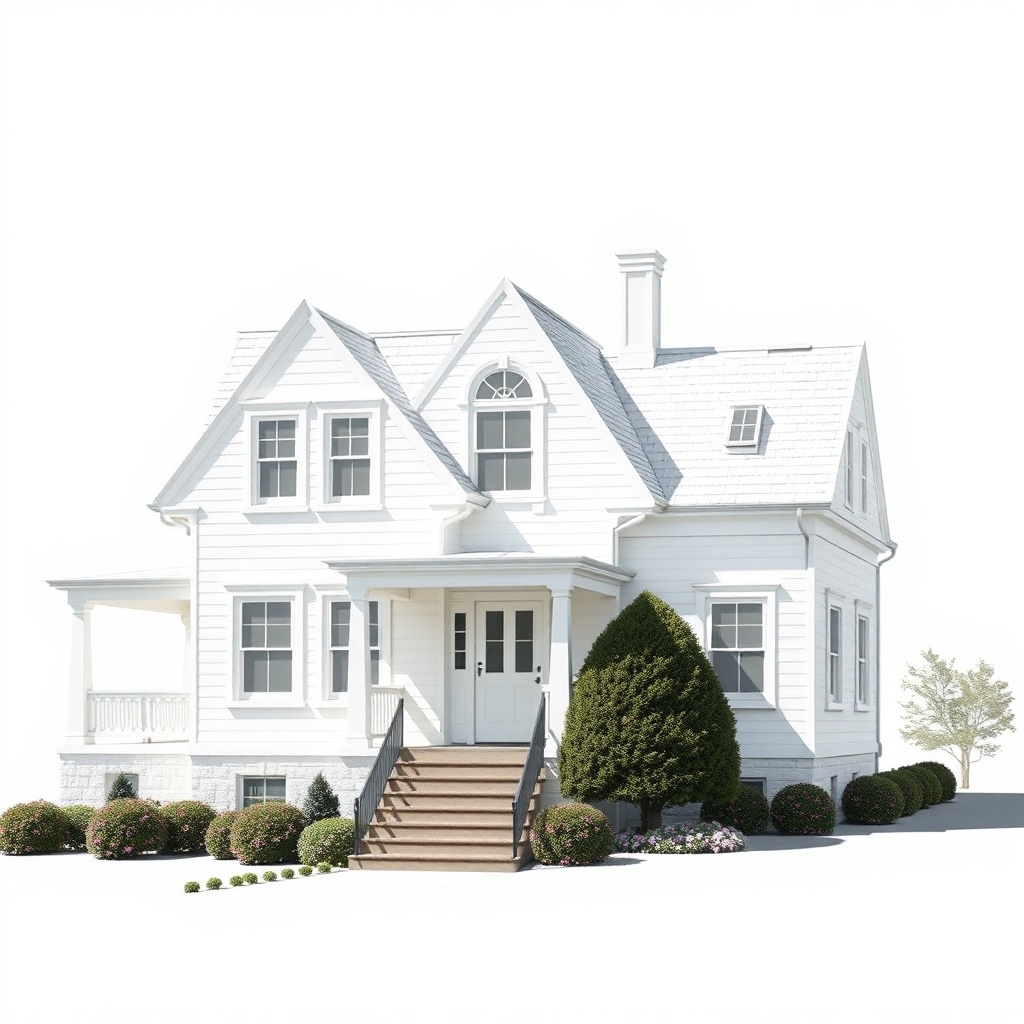
White House: A Visitor’s Guide to History, Architecture, and Public Access
The White House stands as both a working seat of government and a living museum—an architectural symbol, a residence, and a stage for national events. Whether you’re planning a visit or simply curious about how the building functions, understanding its public-facing features and behind-the-scenes care brings its story to life.
What to expect on a visit
Public tours are available but require advanced planning through a member of Congress or the appropriate liaison for international visitors.
Security screening is thorough: bring a government-issued photo ID, arrive early, and be prepared for metal detectors and bag checks.
Certain items—large bags, weapons, food and beverages, and commercial photography equipment—are restricted. Photography rules vary by room, so follow the instructions of tour staff.
Architecture and rooms of note
Designed in a neoclassical style, the building’s facades, state rooms, and private quarters reflect layers of renovation and preservation. Highlights on most tours include the East Room, State Dining Room, Blue Room, and the historic cross hallways that connect them. The Oval Office and sensitive operational spaces are not typically part of the public tour, but their presence underscores the dual role of the residence: ceremonial and executive.
Art, curatorship, and conservation
The White House has a curated collection of paintings, furniture, and decorative arts managed by professional curators and supported by private preservation organizations.
Rotating installations spotlight artists and themes that reflect national culture and history. Conservation work is ongoing to protect textiles, portraits, and historic surfaces—often done discreetly to preserve the building’s day-to-day function.
Gardens and outdoor spaces
The grounds include formal gardens, open lawns, and specialized areas such as a kitchen garden that supplies herbs and vegetables for official events. The Rose Garden and South Lawn host traditional ceremonies and public gatherings. Grounds maintenance balances public programming with ecological stewardship, incorporating native plantings, pollinator habitats, and water-conserving landscaping practices where feasible.
Accessibility and sustainability
Recent efforts have focused on expanding accessibility and improving energy efficiency. The complex has implemented ramped access, improved restroom facilities, and communication aids for visitors with low vision or hearing impairment. On the sustainability front, upgrades aim to reduce energy consumption through efficient lighting, HVAC improvements, and other electrification measures while preserving the historic fabric of the building.
Public engagement and digital access
Beyond on-site tours, a variety of educational resources are available online: virtual tours, image libraries, lesson plans for students, and curated articles about White House history and traditions.
Social media channels and official newsletters share updates about public events and exhibitions, making it easier to follow programs and announcements as they’re posted.
Tips for visitors
– Arrange a tour request through a member of Congress or your embassy well in advance.
– Check the official visitor page for the latest security and entry requirements.
– Use public transportation or authorized drop-off points—parking is extremely limited.
– Dress comfortably and respectfully; guided tours include a fair amount of walking.
– Allow time to visit nearby museums and memorials to make the most of a day in the area.
Why it matters
The White House functions as a working office and a symbol of continuity: its rooms host diplomatic meetings, ceremonial events, and cultural programs that reach a national audience. Preservation efforts, public education initiatives, and increased digital outreach work together to make this institution accessible to a wider public while safeguarding its historic integrity. For visitors and observers alike, an informed approach enhances appreciation of both the building and the civic traditions it represents.