The White House remains one of the most recognizable symbols of government, civic life, and national heritage.
Whether you’re planning a visit or just curious about what goes on behind the gates, understanding the building’s layout, access rules, and contemporary priorities makes the experience more meaningful.
What the White House complex includes
The White House is more than a single residence.
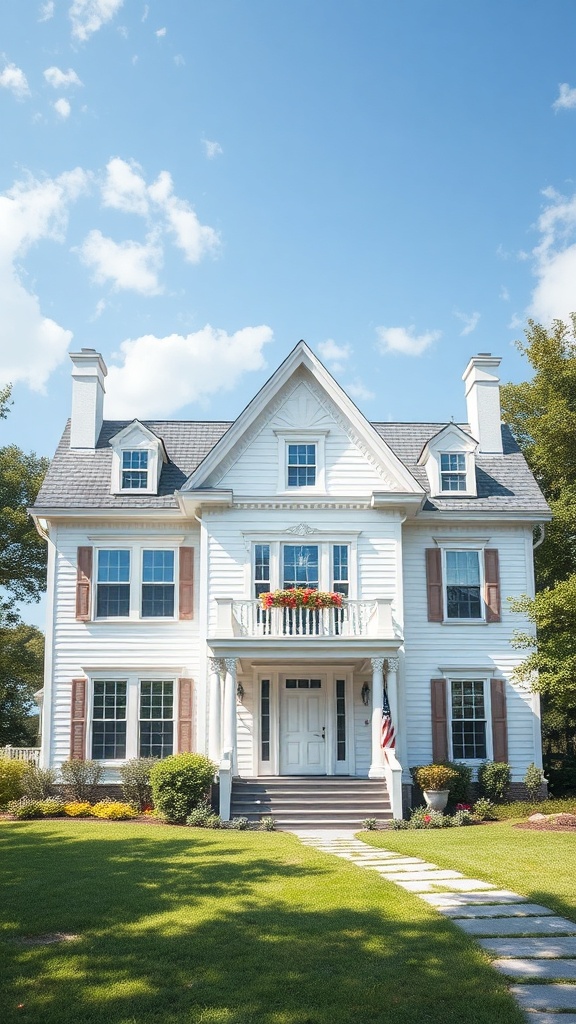
The complex consists of the Residence—where the First Family lives—the West Wing, which houses the Oval Office and senior executive offices, and the East Wing, which contains social and administrative functions. Surrounding grounds include formal gardens, a South Lawn used for events, and secure service buildings. Each area serves distinct ceremonial, operational, and personal needs, reflecting the dual role of the site as both a home and the center of executive activity.
Getting a public tour
Public tours are available, but access is tightly controlled. Domestic visitors typically request tour passes through their member of Congress, while international visitors often coordinate through their embassy.
All tour requests are subject to background checks and thorough security screening.
Expect a guided, timed entry with restrictions on items allowed; large bags, tripods, and certain electronics are usually prohibited.
Photography rules vary by area, so follow staff guidance to avoid confiscation of devices or denied entry.
What to expect inside
Guided tours usually cover historic rooms of the Residence and select public areas, showcasing art, state gifts, and period furnishings. The state floor highlights formal entertaining rooms, while the family quarters remain private. Tours emphasize the building’s layered history—architectural changes, renovation efforts, and the tradition of hosting foreign dignitaries and cultural programs.
Security and visitor tips
Security is stringent and visible. Arrive early for your scheduled time, bring government-issued ID, and dress for the walk between entry points and the entry plaza. Check official visitor guidance before your trip; last-minute changes to tour availability are possible because of official events.
For families, strollers and small children are usually permitted but subject to screening.
Modern priorities and sustainability
Recent operational priorities reflect a balance of preservation and modernization. Energy efficiency upgrades, improved climate control systems, and conservation efforts for artifacts are part of ongoing work.
The grounds have seen attention to native plantings and sustainable landscaping practices to support pollinators and reduce water use. These efforts aim to preserve historical integrity while meeting contemporary standards for comfort, safety, and environmental responsibility.
Public life and cultural programming
Beyond tours, the White House hosts cultural, educational, and civic programming that reaches a wide audience through public statements, special events, and digital outreach. Ceremonial arrivals, musical performances, and community initiatives use the site to highlight national themes and partnerships.
Many programs are promoted through official channels, with opportunities for public engagement announced periodically.
Planning your visit
Before you go, verify tour procedures with official sources and book early through authorized channels. Be flexible: security-related closures and event schedules can affect access.
For those who can’t visit in person, virtual tours and extensive online galleries offer an accessible way to explore the building’s rooms, collections, and stories.
Whether as a tourist, student, or civically engaged citizen, the White House offers a window into national life—an ever-evolving place where history, policy, and public ceremony intersect.