Lincoln Memorial: Architecture, Meaning, and How to Experience It
The Lincoln Memorial stands as one of the most recognized symbols of American democracy and civic memory. Nestled at the western end of the National Mall, the structure combines classical architecture, powerful sculpture, and carefully chosen inscriptions to create a place that invites reflection and public gathering.
Design and symbolism
Modeled on a Greek temple, the memorial uses classical Doric elements to evoke the ideals of democracy rooted in antiquity. A ring of columns surrounds the building, each one representing a state in the Union at the time of Abraham Lincoln’s death. The colonnaded form and the broad steps create a ceremonial approach that reinforces the site’s public, civic character.
Inside, the focal point is a seated figure of Abraham Lincoln carved in a contemplative pose.
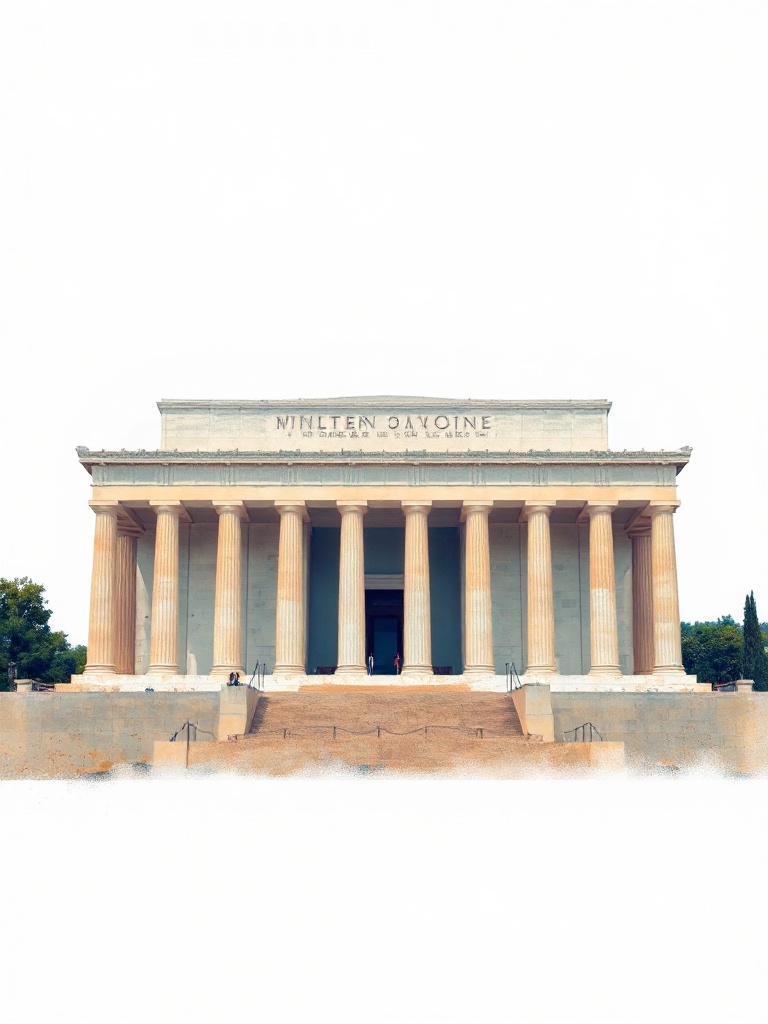
Subtle details—Lincoln’s hands in differing gestures, the scale of the chamber, and natural light entering the space—combine to give the statue an awe-inspiring presence without theatricality. The interior walls are inscribed with two of Lincoln’s most important speeches: the Gettysburg Address and the Second Inaugural Address. Together, sculpture, text, and architecture form an interplay of image and word that encourages visitors to reflect on unity, sacrifice, and the responsibilities of citizenship.
Cultural and historic significance
Beyond its architectural merits, the memorial has long been a stage for pivotal moments in civic life.
It has served as the backdrop for landmark speeches, peaceful protests, and national ceremonies, becoming a living part of the nation’s political and social history.
For many, the site represents both remembrance and the ongoing struggle to realize the principles Lincoln articulated.
Visiting tips
– Timing: Early morning offers quieter conditions and soft, flattering light for photos; evenings bring dramatic illumination and a chance to see the memorial reflected in the pool. Weekends and holidays draw large crowds, so plan accordingly.
– Photography: The reflecting pool provides classic compositions. Use a wide-angle lens to capture the columns and the full façade; for portraits, the steps and the play of light inside create strong mood shots.
– Accessibility: The memorial is accessible via ramps and pathways; the National Park Service provides resources and assistance for visitors with mobility needs.
– What to read: Take time to read the inscriptions inside the chamber. The texts are carved into the stone and are central to the memorial’s message; reading them on-site deepens the visitor experience.
– Nearby points of interest: The memorial’s location makes it easy to pair a visit with the reflecting pool, adjacent monuments, and museum spaces along the National Mall.
Stewardship and preservation
The memorial is maintained by the National Park Service and benefits from regular conservation work to address weathering, visitor wear, and environmental impacts. Preservation efforts aim to protect both the stonework and the original artistic features so the memorial can continue to serve as a durable space for reflection and public life.
Why it still matters
The Lincoln Memorial’s combination of classical form, evocative sculpture, and powerful text ensures it remains more than a static monument.
It functions as a place where history, memory, and civic aspiration meet—inviting new generations to consider the ideals it commemorates and how those ideals apply to the challenges of today. Whether visiting for quiet reflection or joining a public gathering, the memorial rewards attention and contemplation.