Georgetown University sits at the intersection of rigorous academics, Washington influence, and a tight-knit campus culture. Nestled near the Potomac, its location gives students unparalleled access to government, diplomacy, think tanks, and nonprofit organizations — a major draw for those interested in public policy, international affairs, law, and social impact.
Academic strengths and interdisciplinary opportunity
Georgetown’s strengths span multiple schools — most notably international affairs, law, business, and medicine — with many students blending majors and concentrations across departments. The Walsh School of Foreign Service is prized for its global curriculum and language offerings, while the Law Center benefits from proximity to courts and policy makers. Interdisciplinary centers and research institutes encourage collaboration on pressing issues such as climate policy, global health, cybersecurity, and human rights. For students who want both depth and breadth, the ability to pair classroom study with internships and fieldwork in the capital is a decisive advantage.
Campus life and student experience
Beyond academics, campus life reflects Jesuit values emphasizing service, reflection, and community. Student organizations span cultural groups, political clubs, service corps, and competitive club sports. The “Hoya” spirit is visible at athletic events, cultural festivals, and community service days.
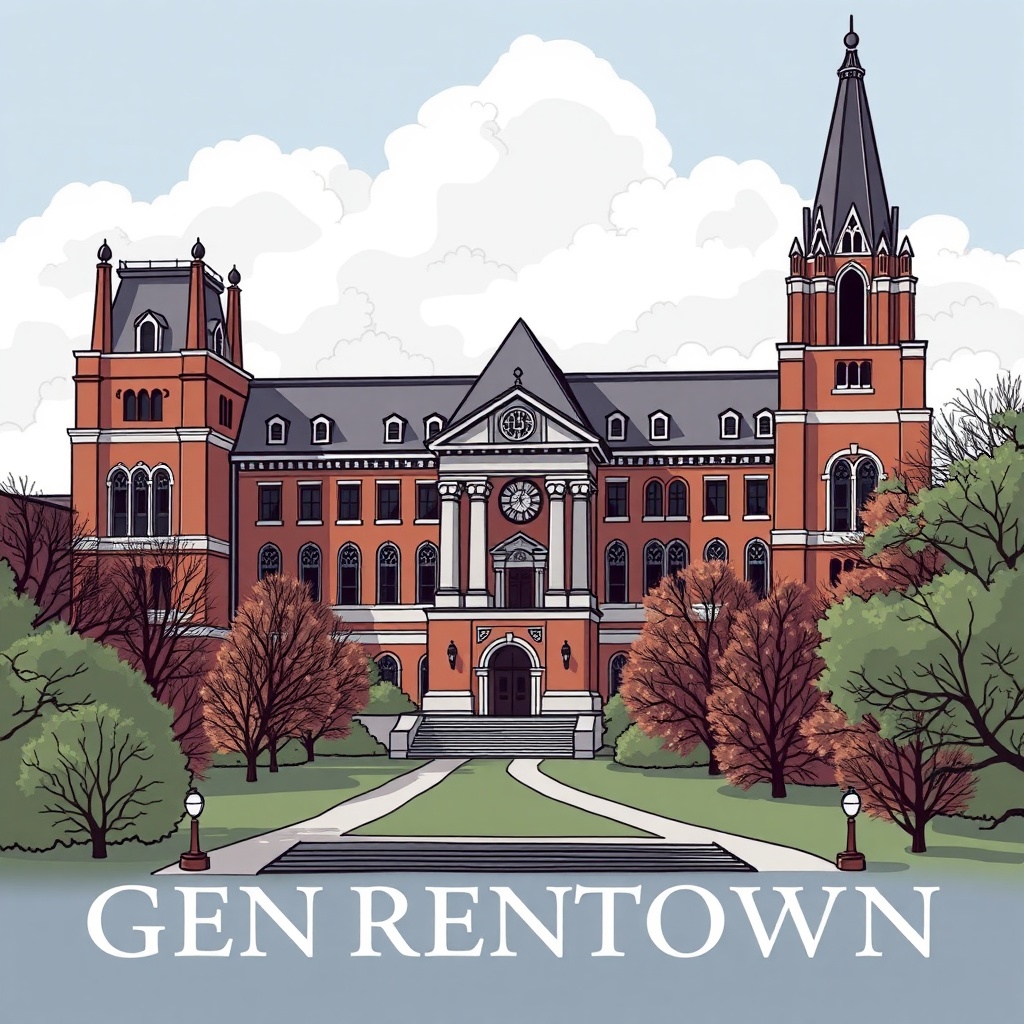
Historic architecture and green spaces create an intimate campus feel despite the urban setting. Housing options vary from traditional dormitories to residential communities that support shared academic or cultural interests, helping students build lasting friendships.
Access to internships and career development
One of Georgetown’s most practical benefits is access to career-building opportunities. The university’s career services work closely with employers across sectors to place students in internships — many within walking distance of campus. These real-world experiences are a critical complement to classroom learning and often lead to post-graduate employment. Networking is aided by an active alumni network in government, global organizations, media, and business that remains engaged with mentoring and recruitment.
Global perspective and study abroad
A hallmark of the curriculum is global engagement. Study abroad programs, international internships, and field-based seminars make it possible to study complex issues where they play out on the ground. Language study is strongly supported, and many programs emphasize experiential learning — a valuable component for students planning careers that cross borders.
Sustainability and student well-being
Sustainability initiatives continue to grow across campus through energy-efficiency projects, waste reduction, and academic programs focused on environmental policy and urban resilience. Student mental health and wellness resources are increasingly prioritized, with counseling, peer-support groups, and wellness programming integrated into student life. These efforts reflect a broader emphasis on holistic student development.
Tips for prospective students
– Visit campus neighborhoods and attend a class or information session to sense the academic vibe.
– Pursue internships early; even short placements provide clarity and build networks.
– Explore interdisciplinary programs and research centers that match your interests.
– Engage with student groups before enrollment to find communities that support your personal and academic growth.
– Investigate financial aid options and scholarships; resources are available for students from diverse backgrounds.
Whether you’re drawn to diplomacy, law, research, or civic leadership, Georgetown’s blend of location, academics, and community creates fertile ground for students who want to combine intellectual rigor with real-world impact. For those considering a path that intersects public life and global engagement, the university offers a distinctive mix of opportunity and support.