In the heart of Washington D.C., on 1600 Pennsylvania Avenue, stands an iconic symbol of American democracy – the White House. This grand structure, which serves as the official residence and workplace of the U.S. President, is more than just a piece of architecture. Its rich history and timeless symbolism continue to captivate the world’s imagination.
Every aspect of the White House, from its neoclassical design to its legacy as the ‘People’s House’, bears a profound significance that goes beyond its physical appearance. The aura of the White House is imbued with the spirit of all those who have lived and worked within its walls, shaping the course of American history.
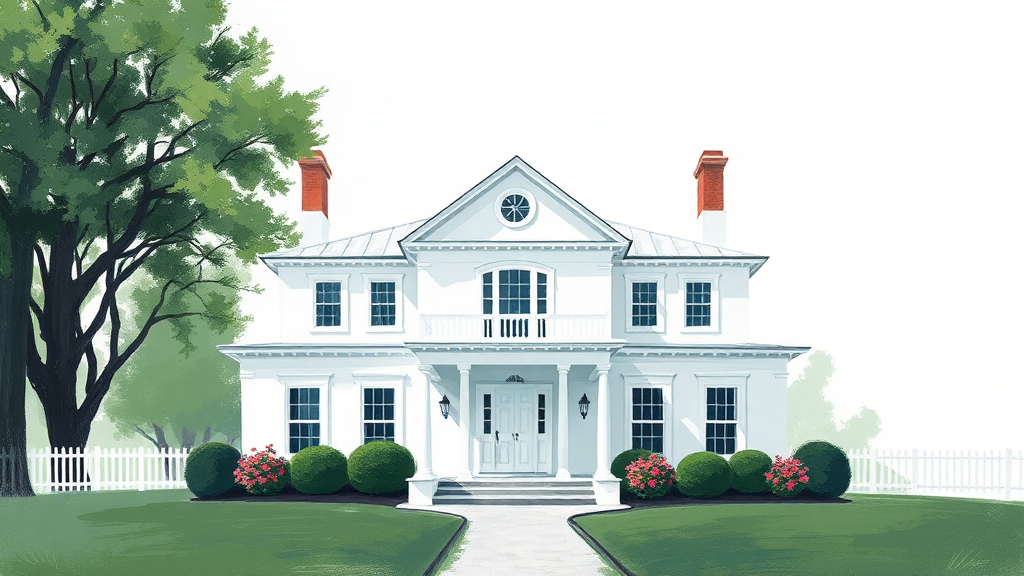
The striking white façade of the building is instantly recognizable. The use of Aquia Creek sandstone, painted white, gives the White House its distinctive color and name.
However, the color choice also symbolizes purity, neutrality, and peace – ideals that every nation aspires to achieve. This analogy is not lost on the millions of visitors who gaze at this iconic building.
Inside, the White House is a stunning showcase of American history and culture. The unique blend of classic and contemporary design elements reflects the changing tastes and styles of different presidential eras. From the historic Blue Room, adorned with Louis XVI furniture, to the modern Green Room, each room tells a unique story. The White House is a living, breathing museum, bearing silent testament to the nation’s evolution.
The White House isn’t just a symbol of American democracy—it’s also a symbol of the people themselves. As the ‘People’s House’, it represents the voice and will of the American public. Presidential decisions that have shaped the country and influenced the world have been made within its walls. The White House stands as a beacon of the democratic ideals that the United States was founded upon.
The grounds of the White House are equally symbolic. The beautifully landscaped gardens and lawns serve as a serene backdrop for important events and ceremonies. The Rose Garden, adjacent to the Oval Office, is often the setting for press conferences and bill signings. It’s a tangible representation of the harmony between nature and governance, offering a tranquil space for contemplation amidst the hustle and bustle of political life.
But the White House is more than just the physical embodiment of political power—it’s also a home. From family dinners in the private residence to celebrations of national holidays, the White House resonates with the warmth and humanity of the First Family.
The tradition of opening the White House to the public during certain events underlines the connection between the presidency and the people.
The timeless symbolism of the White House, rooted in democratic ideals and the collective memory of the nation, continues to evolve with each passing presidency. It’s a constant reminder of the country’s journey, the triumphs and challenges, and the enduring spirit of the American people. From its iconic exterior to the intimate spaces within, the White House embodies the essence of America – a nation that celebrates its past while constantly moving towards the future.
With its rich history, architectural grandeur, and inherent symbolism, the White House continues to captivate the imagination of the world. It stands not just as the seat of the U.S.
presidency, but as an enduring symbol of the American spirit. For those who gaze upon its gleaming white façade, it serves as a powerful reminder of the possibilities that can unfold when a nation is built on democratic ideals.