Washington Capitals: Building the Next Contender Through Youth, Analytics, and Fan Energy
The Washington Capitals remain one of the most recognizable brands in hockey, and their current focus is a smart blend of developing young talent, using analytics to shape decisions, and keeping the game-night experience electric at Capital One Arena. Fans can expect a team that balances respect for its storied past with a clear roadmap for future competitiveness.
Youth and the farm pipeline
One defining strategy is investment in the prospect pool and the AHL affiliate as a true development engine.
Prospects are getting purposeful ice time, targeted coaching, and performance plans that prioritize adaptability — the kind of two-way responsibility NHL teams demand today.
That approach helps the Capitals turn mid-round picks into reliable depth players and gives the front office options when managing the roster under a tight salary-cap environment.
Goaltending and defensive depth
Strong teams are built from the net out, and the Capitals have been focused on shoring up both goaltending depth and defensive structure. Rather than relying on a single breakout acquisition, the emphasis is on layering veteran presence with young defenders who can move the puck and thrive in transition. Expect the team to prioritize mobility, gap control, and penalty-killing versatility as key traits when evaluating defensive pieces.
Special teams and systems hockey
Power play creativity and penalty kill efficiency remain decisive in tight games. Coaching has been trending toward adaptable systems that shift based on opponent tendencies and personnel — more zone entries, quick puck circulation on offense, and aggressive but disciplined neutral-zone traps on the PK.
Teams that can flex their systems game-to-game often convert regular-season success into deeper playoff runs.
Capitals culture and leadership
Leadership beyond the jersey number matters. The organization has tried to cultivate a locker-room culture where veteran leaders mentor emerging players, focusing on professionalism, accountability, and community engagement.
That continuity helps young players acclimate faster and makes the roster more resilient during long stretches of the schedule.
Analytics, sports science, and roster construction
Analytics now play a central role in player evaluation and deployment. From tracking high-danger chances to workload management via wearable data, the Capitals use modern tools to reduce injuries and optimize performance. That analytical approach extends to roster construction: balancing cap hits, term, and player roles to avoid being top-heavy while retaining scoring punch.
Fan experience and the arena atmosphere
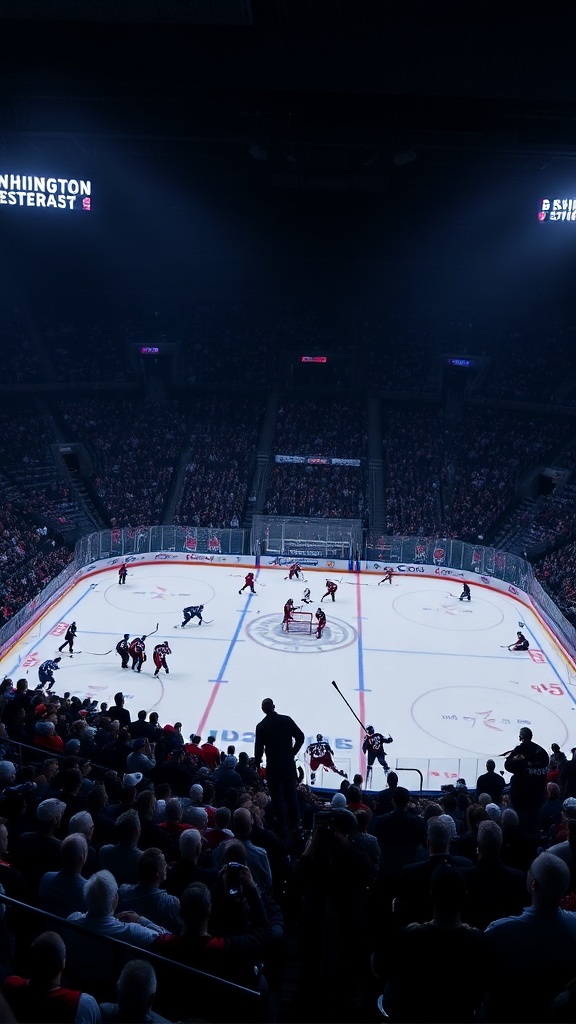
Game nights at Capital One Arena remain a big part of the Capitals’ identity. The organization has invested in in-arena entertainment, fan engagement initiatives, and community programming to keep attendance strong and attract new fans. Local partnerships, themed game promotions, and youth hockey initiatives are part of a broader strategy to ensure the next generation of supporters is engaged.
What to watch next
Key indicators of progress include the maturation of high-upside prospects, improvements in special teams metrics, and the team’s ability to stay healthy during stretches of heavy travel. Watch how the front office balances veteran signings with internal promotions — that will signal the timeline for when the Capitals expect to be back in true contention.
For followers of the team, the coming months promise an intriguing blend of development stories, savvy roster moves, and the steady hum of a passionate fan base. Whether you follow every game or check the standings weekly, the Capitals are shaping their next chapter with an eye toward sustainable success and memorable nights at the rink.