The Lincoln Memorial remains one of the most powerful civic spaces on the National Mall, drawing visitors who come to reflect on leadership, memory, and the ongoing work of democracy. Whether you’re planning a first visit or returning to rediscover its details, understanding what to see and how to experience the site will make the moment more meaningful.
What to look for
– The monumental seated figure of Abraham Lincoln dominates the memorial chamber. The statue’s scale and posture are designed to invite quiet reflection.
– Inscriptions of Lincoln’s most important speeches — the Gettysburg Address and his Second Inaugural — are carved into the interior walls.
Reading them in situ gives a different emotional resonance than seeing the words elsewhere.
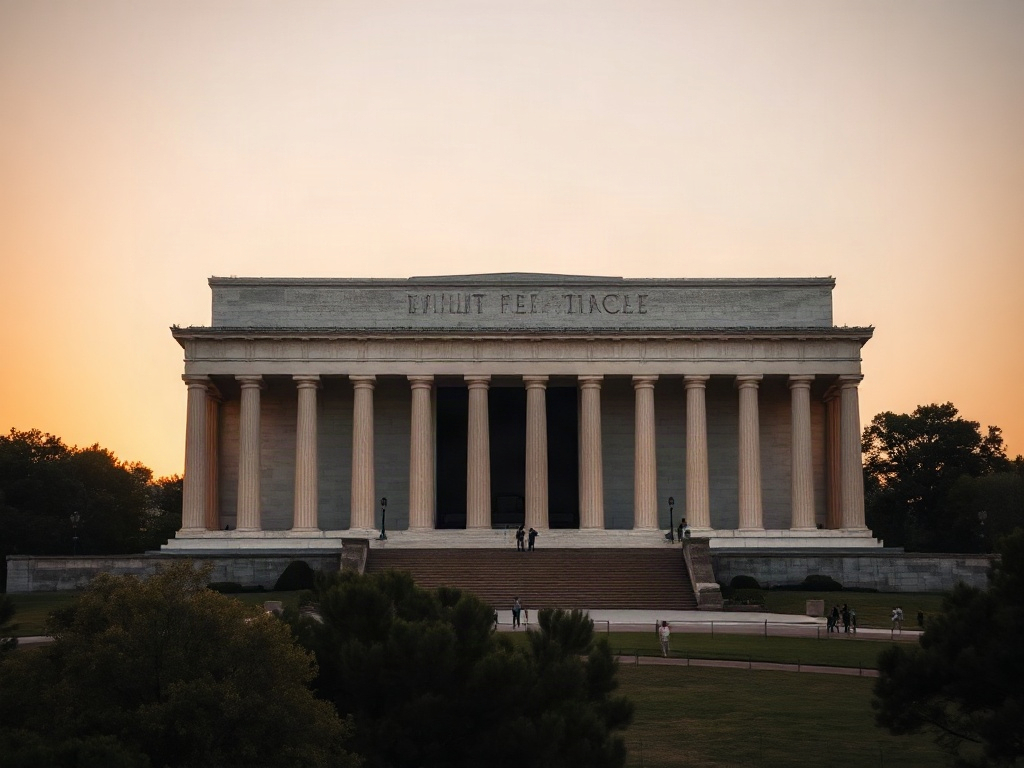
– The exterior is framed by Doric columns that symbolize the states in the Union at the time of Lincoln’s death. From the steps, you’ll get a classic view down the National Mall, anchored by the Reflecting Pool and the sightline to the Washington Monument.
– Small details reward attention: the carved wreaths and inscriptions on the parapets, the pattern of the flooring, and the subtle play of shadow across the statue at different times of day.
Practical visitor tips
– Aim for early morning or later evening to avoid crowds and capture dramatic light for photography. Nighttime illumination creates a solemn, cinematic atmosphere.
– Public transit is the easiest way to reach the memorial; parking near the Mall is extremely limited. Check the National Park Service site for the best transit stops and any temporary access changes.
– Security checks are common at federal memorials.
Travel light and be prepared for bag inspections.
Respect any posted rules about drones, food, or large gatherings.
– Accessibility: the site has accessible routes and visitor services; contact official park resources or consult their accessibility information before you go if you have specific needs.
– Ranger-led programs and audio tours are often available and add important context to the architecture and inscriptions.
Why it still matters
The memorial functions as both a monument to a single life and a stage for national conversation. Its steps have hosted major public events, civic demonstrations, and commemorative gatherings, underlining its role as a living site of civic memory. Visitors often find the space both contemplative and energizing — a place to consider the ideals engraved in stone alongside the complexities of history and public life.
Conservation and visitor experience
Ongoing conservation work aims to protect the memorial’s stonework and sculpture from pollution, weathering, and everyday wear. Park managers also focus on improving visitor amenities, interpretive resources, and resilience measures to ensure future generations can experience the site as intended. Digital resources and virtual tours expand access for those who can’t visit in person.
Planning your visit
Check official park websites before you go for the latest on hours, special events, and any temporary closures. Bring comfortable shoes for the steps and the surrounding Mall, and allow time to linger; sitting on the steps and watching the light change over the Reflecting Pool is one of the most memorable ways to experience the memorial.
A visit to the Lincoln Memorial is often more than a photo opportunity — it’s a chance to engage with American history in a space designed for reflection, debate, and public life.