Washington DC’s restaurant landscape blends global flavors, neighborhood personality, and adventurous chef-driven dining. Whether seeking a Michelin-level tasting menu, late-night comfort food, or a bustling market stall, the city offers variety and a strong sense of place that rewards exploration.
What’s shaping the scene
– Seasonality and sourcing: Many kitchens prioritize local farms, Chesapeake Bay producers, and seasonal menus. Expect rotating dishes that highlight regional produce and seafood.
– Casual fine dining: Tasting menus remain popular, but a growing number of places pair elevated technique with relaxed service — perfect for special occasions without stuffiness.
– Plant-forward options: Plant-based and vegetable-centered menus are widespread, with chefs using creative textures and techniques that appeal to omnivores and vegans alike.
– Sustainability and transparency: Restaurants are increasingly transparent about sourcing, waste reduction, and seafood sustainability, often highlighting these practices on menus or websites.
– Neighborhood-driven concepts: Chefs and restaurateurs are launching spots that reflect local communities rather than chasing national trends.
Where to go by vibe
– Waterfront and modern dining: The waterfront districts offer waterside patios and multi-concept hubs with seafood-forward menus and lively bars — great for sunset dining or weekend brunches.
– Market halls and casual bites: Union Market, food halls, and street-level markets showcase rotating vendors and small-scale chefs. They’re ideal for group nights, grazing, and discovering new concepts without a strict reservation.
– Historic and iconic: Iconic neighborhood institutions and long-standing local favorites remain must-visits for classic regional dishes and late-night comfort food.
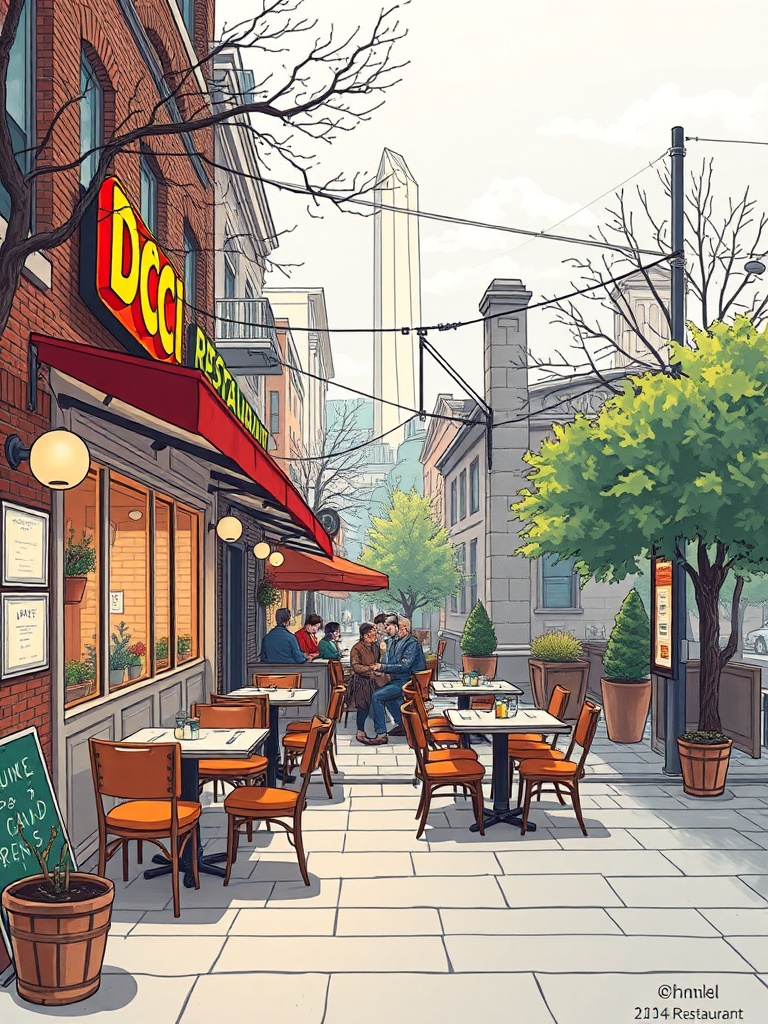
– Neighborhood gems: Explore Shaw, U Street, Adams Morgan, Navy Yard, and Penn Quarter for a mix of upscale tasting menus, neighborhood bistros, and late-night options.
Each neighborhood brings distinct culinary characters and price points.
Cuisine highlights
– Ethiopian food: The city is known for outstanding Ethiopian restaurants concentrated along key corridors — communal platters, injera, and rich stews are local staples.
– Seafood and Chesapeake influence: Expect creative preparations of local fish, shellfish, and other regional ingredients integrated into seasonal menus.
– Global diversity: From refined takes on French and Italian to bold New American, Latin American, and Pan-Asian plates, diversity is central to the dining map.
Practical tips for visiting
– Reservations: Use reservation platforms or restaurant websites to secure coveted tables, especially for tasting menus or weekend nights. For busy spots, consider weekday or early-dinner times.
– Walk-ins: For market halls and casual counters, walk-ins are common — arrive early for popular vendors. For bars and seasonal patios, you might be able to snag a spot without booking.
– Budgeting: Look for lunch prix-fixe menus, happy hours, and market stalls to sample top chefs’ food without the high-ticket dinner price.
– Dietary needs: Many restaurants are comfortable accommodating vegetarian, vegan, and allergen-friendly requests — call ahead for complex restrictions.
– Late-night eats: Several neighborhoods offer lively late-night options, from casual counters to eclectic eateries that stay open late.
Finding new favorites
Start with a mix of a market hall visit, one neighborhood tasting menu, and at least one casual, iconic spot to balance the experience. Follow local food writers, neighborhood guides, and restaurant newsletters for pop-ups and limited-run menus that capture the city’s experimental side.
Plan a route that balances exploration and reservations, and leave time to wander between neighborhoods — some of the best discoveries happen off the beaten path.