Washington DC is a compact, walkable capital where history, culture, food, and green space converge. Whether you’re here for a long weekend or a longer stay, the city rewards a mix of planned stops and unhurried exploration.
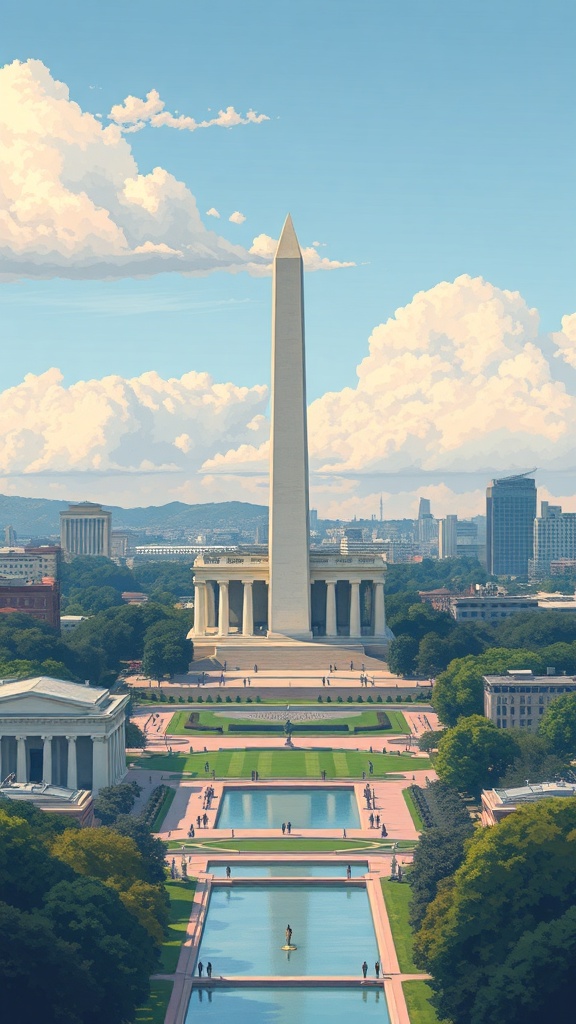
Start at the National Mall for the iconic experience: the Reflecting Pool, the Lincoln Memorial, and the Washington Monument are must-sees, and nearby Smithsonian museums offer world-class collections with free admission.
Popular museums can require timed-entry or longer wait times, so reserve tickets when possible and visit early to avoid crowds. The National Gallery, Air and Space Museum, and the National Museum of African American History and Culture are standout stops for art, history, and technology.
Beyond the Mall, neighborhoods give DC its layered personality. Georgetown pairs historic brick streets with waterfront dining and boutique shopping. U Street and Shaw pulse with jazz history, nightlife, and inventive restaurants.
Capitol Hill balances grand government buildings with charming rowhouses and Eastern Market, where local food vendors and artisans gather.
The Wharf and Navy Yard are lively waterfront districts with concerts, boating options, and a growing culinary scene. For quieter green space, Rock Creek Park and Theodore Roosevelt Island offer trails and river views within the city.
Getting around is straightforward. The Metro connects major neighborhoods and attractions via multiple lines; mobile apps and station maps make transfers simple. Surface transit, including buses and streetcars in select corridors, can be scenic and reliable for short trips. For flexible, short-distance travel, bike-share programs and regulated e-scooters are widely available—use bike lanes where provided and follow local traffic rules. Rideshare and taxis are plentiful but can be slower during peak commuter times or large events.
Food and drink reflect DC’s diversity. From acclaimed fine dining to neighborhood bakeries and food halls, the culinary scene spans global influences and local ingredients. Late-night eateries and live-music venues are concentrated in a few neighborhoods, while brunch culture is strong citywide—expect lines on weekend mornings, so consider reservations when possible.
Outdoor activities are abundant. The Potomac River offers kayaking and paddleboarding launches, and seasonal blooms draw crowds to waterfront promenades and the Tidal Basin during spring. Public parks and riverfront trails are ideal for jogging, picnicking, and people-watching.
Many monuments and memorials are particularly atmospheric at sunrise or after dusk when lighting reduces crowds and creates memorable photos.
A few practical tips make visiting smoother:
– Carry comfortable shoes; the best way to experience the city is often on foot.
– Check attraction websites for hours, timed-entry requirements, and bag policies—large bags sometimes face restrictions.
– Be prepared for weather swings; packing a light rain layer and sun protection covers most conditions.
– Monitor transit alerts and event calendars—parades, marches, and official events can change traffic and transit patterns.
– Respect memorial etiquette—many sites are solemn spaces and offer reflective moments that deserve low-volume behavior.
Museums, performance venues, and restaurants continually refresh offerings, so plan an itinerary with a balance of highlights and spontaneous discovery. With accessible public transit, walkable neighborhoods, and a compact core of world-class institutions, Washington DC is a destination where every visit can uncover something new.