Washington DC’s food scene has evolved into a dynamic mix of global flavors, neighborhood gems, and forward-thinking dining concepts. Whether you’re a visitor mapping out a culinary tour or a local searching for the next great meal, the city delivers everything from classic comfort dishes to elevated tasting menus and adventurous fusion cuisine.
What to try first
– Ethiopian cuisine: A cornerstone of DC dining—injera, rich stews (wots), and communal platters are everywhere, with many restaurants offering vegetarian and vegan-friendly spreads that highlight bold spices and shared dining traditions.
– Half-smoke and local comfort: The half-smoke remains an iconic local flavor, often paired with chili, mustard, and onions. Late-night counters and longtime institutions are where history and taste meet.
– Chesapeake seafood: Oysters, crab cakes, and bay-fresh fish show up across menus, often with a farm-to-table sensibility that emphasizes sustainable sourcing and seasonal preparation.
– Global street food and fusion: From Korean barbecue tacos to Salvadoran pupusas and modern interpretations of Southern cuisine, DC chefs blend international techniques with local ingredients.
Neighborhoods worth exploring
– U Street and Shaw: Lively nightlife, soul food, and an increasing number of chef-driven concepts make these neighborhoods a hotspot for late-night dining and creative cocktails.
– Georgetown: High-end dining, waterfront views, and classic bakeries draw visitors seeking polished dining experiences and scenic strolls.
– NoMa and Union Market: Food halls and markets offer an efficient way to sample multiple vendors—ideal for groups or indecisive appetites.
Union Market is especially known for small-batch producers and pop-up kitchens.
– Adams Morgan and Columbia Heights: Multicultural offerings and casual eateries provide great value and bold flavors, perfect for adventurous palates.
Dining trends shaping the city
Seasonal menus and local sourcing are prominent as chefs partner with nearby farms and fisheries to reduce food miles and spotlight regional ingredients. Plant-forward menus and creative vegetable preparations are widely available, reflecting increased demand for vegetarian and vegan options.
Intimate tasting menus and chef’s counter experiences are popular among diners seeking an immersive meal that focuses on technique and storytelling.
Practical tips for dining out
– Reservations are recommended for popular spots and tasting menus; many restaurants use online booking platforms and prioritize advance planning.
– Explore midday markets and lunch counters for approachable prices and the chance to try emerging vendors before they open full-service restaurants.
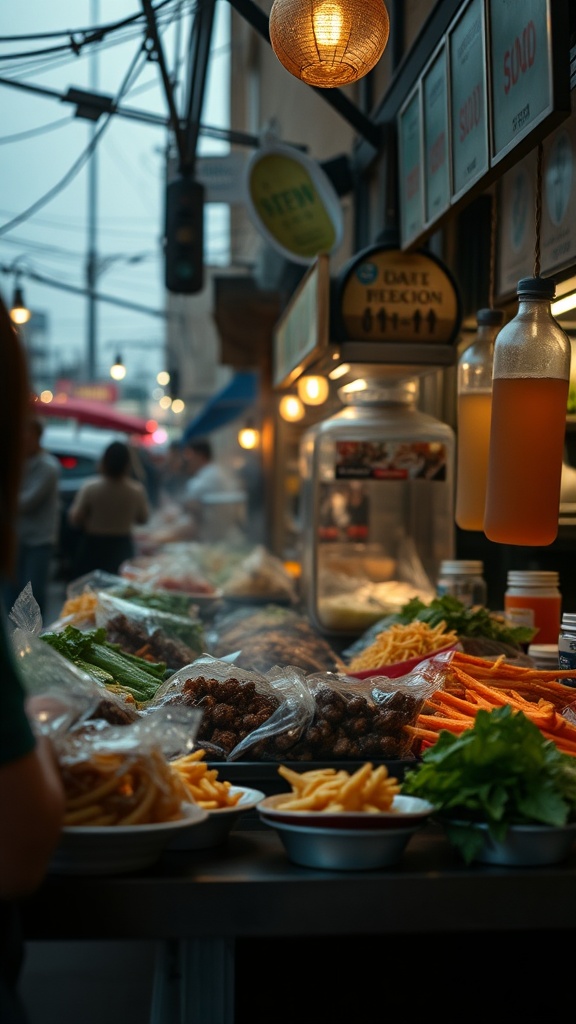
– For a classic, no-frills experience, seek out longstanding neighborhood counters or food trucks where queues are part of the charm and the food is reliably good.
– Pay attention to transit and parking—many neighborhoods are walkable or well served by public transit, which can save time and avoid parking hassles.
Beyond restaurants
Farmers markets, pop-up dinners, and food festivals create abundant opportunities to taste seasonal produce, meet local producers, and discover artisanal products.
Cooking classes and supper clubs provide hands-on ways to engage with cuisine and culinary culture.
Whether you’re chasing a Michelin-style tasting menu, craving soul food, or sampling the latest street-food mashup, Washington DC’s food landscape offers a layered, continually evolving set of options. Exploring neighborhoods on foot, planning a mix of booked dinners and spontaneous market visits, and keeping an eye out for local producers will reveal the city’s culinary personality—diverse, vibrant, and always worth exploring.