Washington, DC blends iconic monuments, world-class museums, vibrant neighborhoods, and surprising green space into a compact, walkable city. Whether planning a quick weekend or a longer stay, focus on a mix of outdoor landmarks, cultural institutions, neighborhood dining, and smart transit choices to get the most from the visit.
Explore the National Mall and monuments
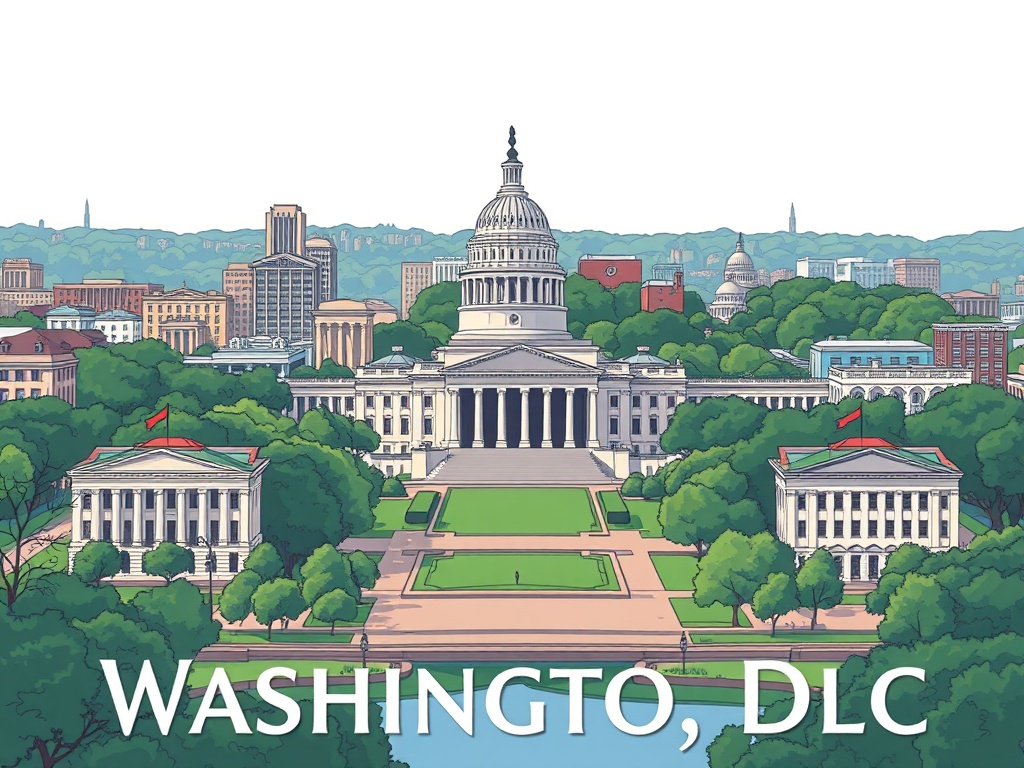
The National Mall is the heartbeat of DC: broad lawns framed by the Capitol and Lincoln Memorial, dotted with museums and memorials.
Walking the Mall early in the day delivers quieter views and softer light for photos. Don’t miss the reflecting pools and the solemnity of the World War memorials. For a different angle, take the trail around the Tidal Basin to enjoy the city’s waterfront and seasonal blooms.
Take advantage of free museums
Many Smithsonian museums line the Mall and offer free admission, making them ideal for spontaneous exploration.
The National Gallery of Art and several smaller galleries also provide exceptional collections and rotating exhibitions. Plan a mix of big-ticket stops and lesser-known museums to avoid fatigue — the city rewards curiosity with depth in history, art, and science.
Discover neighborhood culture and food
DC’s neighborhoods each have a distinct personality. Georgetown offers historic architecture and waterfront walks. U Street and Shaw deliver a soundtrack of jazz history alongside lively dining and nightlife. Navy Yard and The Wharf showcase modern waterfront development with parks, outdoor concerts, and seafood-forward restaurants. For markets and local flavors, Eastern Market and Union Market are reliable for seasonal produce, artisanal vendors, and a genuine local vibe.
Parks, trails, and waterfronts
Beyond the Mall, DC’s parks and trails are excellent for outdoor time. Rock Creek Park provides forested trails within city limits for running and biking.
The Capital Crescent and Anacostia Riverwalk trails connect neighborhoods and make biking or walking an attractive way to explore. Waterfront districts host public plazas, seasonal pop-ups, and kayak rentals for a different perspective on the city.
Getting around efficiently
The Metro system, supplemented by buses and the DC Circulator, covers much of the city and is the fastest option for many trips. Capital Bikeshare is a convenient way to navigate short distances and enjoy scenic routes along the river.
Rideshares and taxis fill gaps late at night or for direct door-to-door travel. Walking remains one of the best ways to absorb the city’s architecture and street life; wearing comfortable shoes is a must.
Practical tips for visitors
– Start popular attractions early to avoid crowds and midday heat.
– Reserve tours, especially for the Capitol and other ticketed sites, well in advance.
– Carry a refillable water bottle; public fountains and filling stations are common.
– Check museum and venue hours, as some rotate exhibits and schedules seasonally.
– Be mindful of security screening at memorials and public events; allow extra time.
Cultural programming and live events
DC’s calendar is lively, from outdoor concerts and cultural festivals to theater and diplomacy-focused talks.
Performance venues range from intimate jazz clubs to major stages hosting touring productions. Keep an eye on neighborhood calendars for pop-ups, street festivals, and food events that highlight local chefs and makers.
Washington, DC invites a balance of iconic sightseeing and neighborhood discovery. With thoughtful planning — mixing early starts, walking, public transit, and neighborhood meals — visitors can experience the city’s history, culture, and culinary scene without feeling rushed.