The White House remains one of the most recognizable symbols of American government and a living, working residence that blends history, architecture, and public engagement. For visitors and curious readers alike, understanding how to experience the White House, what to expect inside and out, and how preservation and modernization intersect offers a richer appreciation of this iconic site.
Planning a visit: tours and visitor tips
Public tours are available but require advance planning and adherence to strict security procedures. Domestic visitors typically request tours through their member of Congress, while international visitors often work through their embassy.
Expect thorough security screening and to present government-issued photo identification. Popular tips include booking as early as possible, wearing comfortable shoes (the grounds are expansive), and arriving with minimal belongings—large bags are commonly prohibited.
Check official channels for any last-minute changes to hours, access points, or tour availability.
Visitor Center and virtual access
Not everyone can make it to the gates, so the White House Visitor Center and official online resources provide excellent alternatives. Exhibits often highlight architectural features, notable rooms, and artifacts from the White House collection.
Virtual tours and multimedia galleries allow people worldwide to explore State Rooms, historical portraits, and the evolution of the grounds, making the story of the White House accessible regardless of travel constraints.
Architecture, art, and preservation
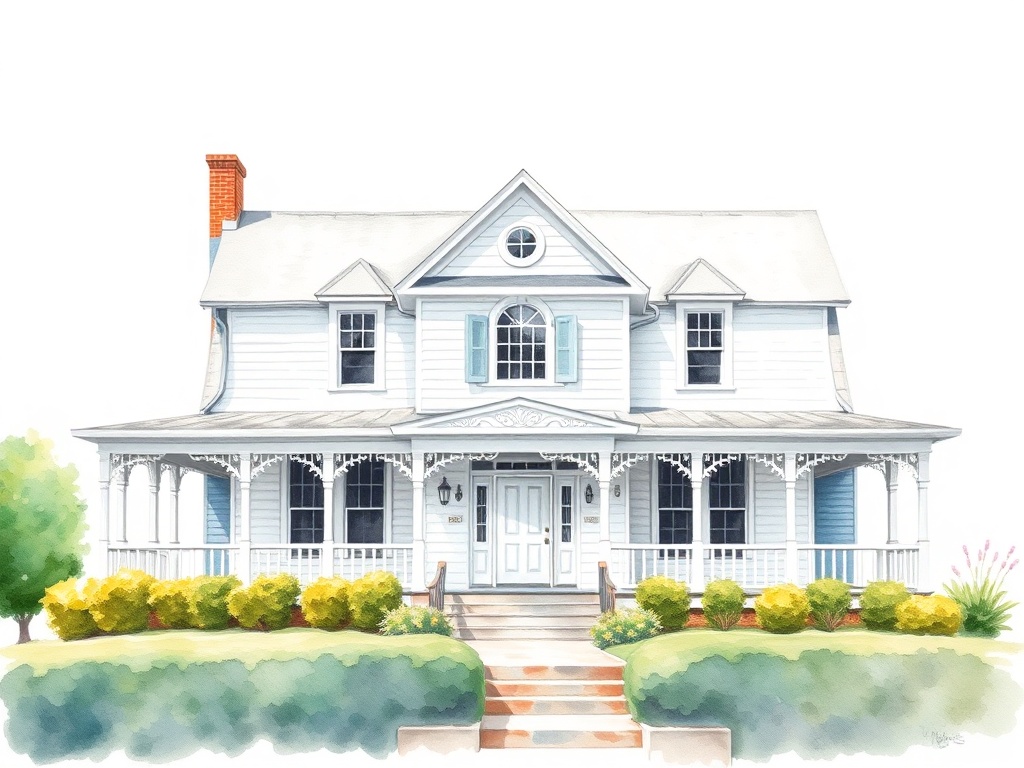
The building’s neoclassical façade, ceremonial rooms, and private quarters reflect layers of design and renovation across generations.
Decorative arts, historic furniture, and the extensive art collection are managed by curators and preservation teams who balance daily use with conservation needs. Preservation efforts focus on maintaining original design elements while updating infrastructure—electrical, climate control, and accessibility features—to meet modern standards without compromising historic fabric.
Public programming and cultural life
Beyond tours, the White House hosts a range of public-facing events that spotlight national traditions and cultural initiatives. Seasonal decorations, family-oriented activities on the South Lawn, and educational programs for students emphasize community engagement. State visits and official receptions showcase the ceremonial side of the residence, while cultural partnerships bring rotating exhibits and performances to public attention.
Sustainability and modernization
Modern stewardship of the White House grounds increasingly emphasizes sustainability. Energy-efficiency upgrades, water-conservation landscaping, and careful management of the gardens contribute to broader environmental goals.
Technology improvements—from lighting retrofits to more efficient HVAC systems—help reduce the facility’s environmental footprint while preserving historic interiors and collections.
Security and public access balance
Maintaining security for the occupants and the public is a central challenge.
Perimeter measures, screening procedures, and restricted zones are designed to protect the site while allowing as much public access as is safely possible. Visitors should expect checkpoints and clearly marked routes; staying informed through official sources ensures a smooth experience.
How to stay informed
Always consult official White House channels or your congressional office for the latest visitor requirements, tour availability, and event calendars. Social media feeds and the official website frequently post updates about special exhibits, holiday programming, and any temporary access changes.
Whether planning a first-time visit or exploring virtually, the White House offers layers of American history, art, and civic life to discover. Respectful planning, awareness of security procedures, and a curiosity about preservation and public programming will make any visit or online exploration both meaningful and memorable.