The Lincoln Memorial stands as one of the most recognizable monuments on the National Mall, blending powerful symbolism, neoclassical architecture, and public memory. A visit offers both a close look at a monumental sculpture and a chance to reflect on the ideals of unity, freedom, and civic leadership that it honors.
Architecture and symbolism
Modeled after a Greek temple, the memorial’s colonnade and steps evoke classical ideals of democracy and permanence.
The exterior Doric columns encircle the structure, creating a solemn, open-air feel that frames the statue within. Inside, a large seated figure serves as the focal point — a contemplative representation of leadership and moral resolve.
Flanking the statue are engraved excerpts from two of the most influential speeches in American public life, chosen for their reflection on liberty, equality, and the nation’s purpose.
Art and inscriptions
The interior design thoughtfully balances scale and intimacy.
The statue’s scale and positioning draw viewers up the central axis, where inscriptions on the walls invite quiet reading and reflection. Visitors often pause to read the engraved passages and consider how their themes resonate with contemporary conversations about justice and citizenship. Architectural details, from the sculpted friezes to the careful lighting, reinforce the memorial’s role as both a public artwork and a place of remembrance.
Historical significance and civic memory
The memorial has become a backdrop for civic engagement and collective memory.
It has been a gathering place for moments of protest, celebration, and commemoration, attracting visitors who come to connect personal experience with national ideals. Whether experienced as a site of reflection after a quiet walk across the nearby green space, or as a focal point during a larger public event, the memorial continues to serve as a symbol of civic aspiration.
Visiting tips
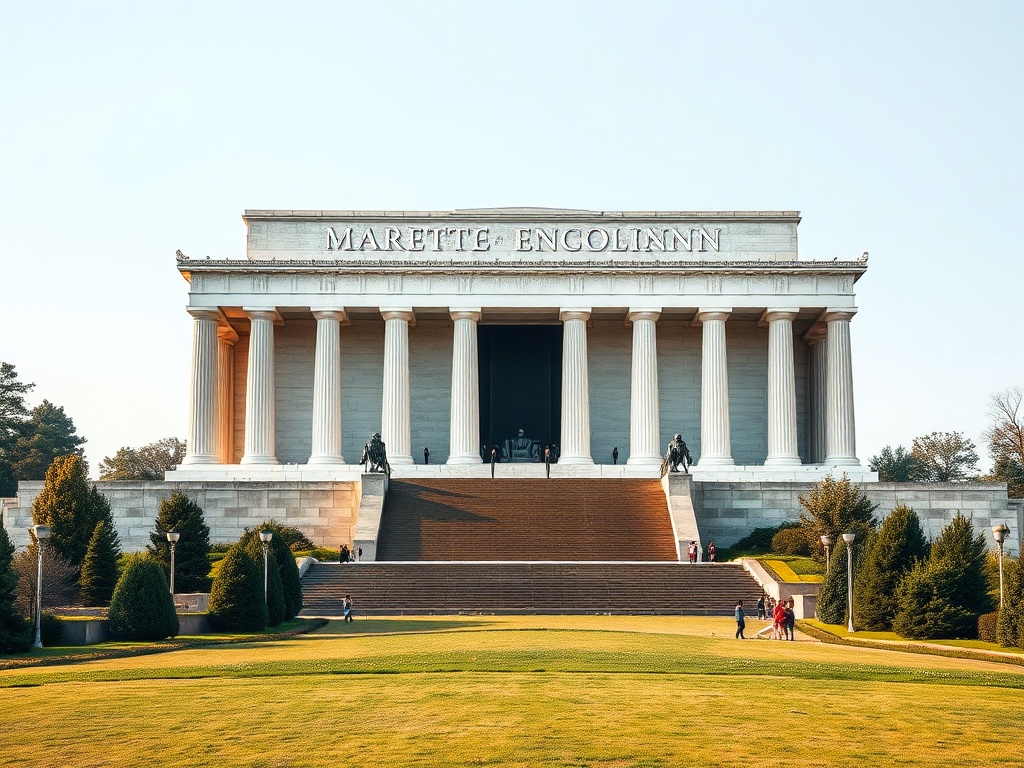
– Best times: Early morning and evening light offer the most striking views, especially across the long reflecting pool that stretches toward the memorial. Nighttime illumination creates a dramatic silhouette that’s popular with photographers.
– Crowds: Weekends and midday can be busiest.
If you prefer a quieter visit, plan for weekday mornings.
– Accessibility: The memorial is accessible to visitors of all mobility levels, with ramps and elevator access available. Park staff can provide assistance or information on accessible routes.
– What to bring: Comfortable shoes for climbing the steps, a camera for capturing the architecture and views, and a small bottle of water. Large group visits or commercial photography may require coordination with park authorities.
– Respectful behavior: Silence and reflective behavior are customary inside the memorial; it remains a place of homage and remembrance.
Nearby sites and planning
Located within easy walking distance of several other memorials and museums, a visit to the Lincoln Memorial pairs naturally with stops at adjacent monuments and the long green expanse that links them. Allow time to stroll the grounds, cross the reflecting pool, and explore nearby exhibits that provide complementary context.
Why it matters
More than a landmark, the memorial is an invitation to engage with enduring questions about leadership, equality, and national purpose.
Its design, inscriptions, and public role encourage visitors to reflect on the past while considering the responsibilities of citizenship in the present. A visit can be both an educational experience and a personal moment of contemplation — one that resonates long after leaving the plaza.