Lincoln Memorial: A Visitor’s Guide to History, Design, and Meaning
The Lincoln Memorial stands as one of the most visited and photographed monuments on the National Mall. Beyond its iconic façade and the massive seated statue of Abraham Lincoln, the memorial is a layered work of architecture, art, and civic symbolism that continues to draw tourists, students, and activists.
Architecture and artistic highlights
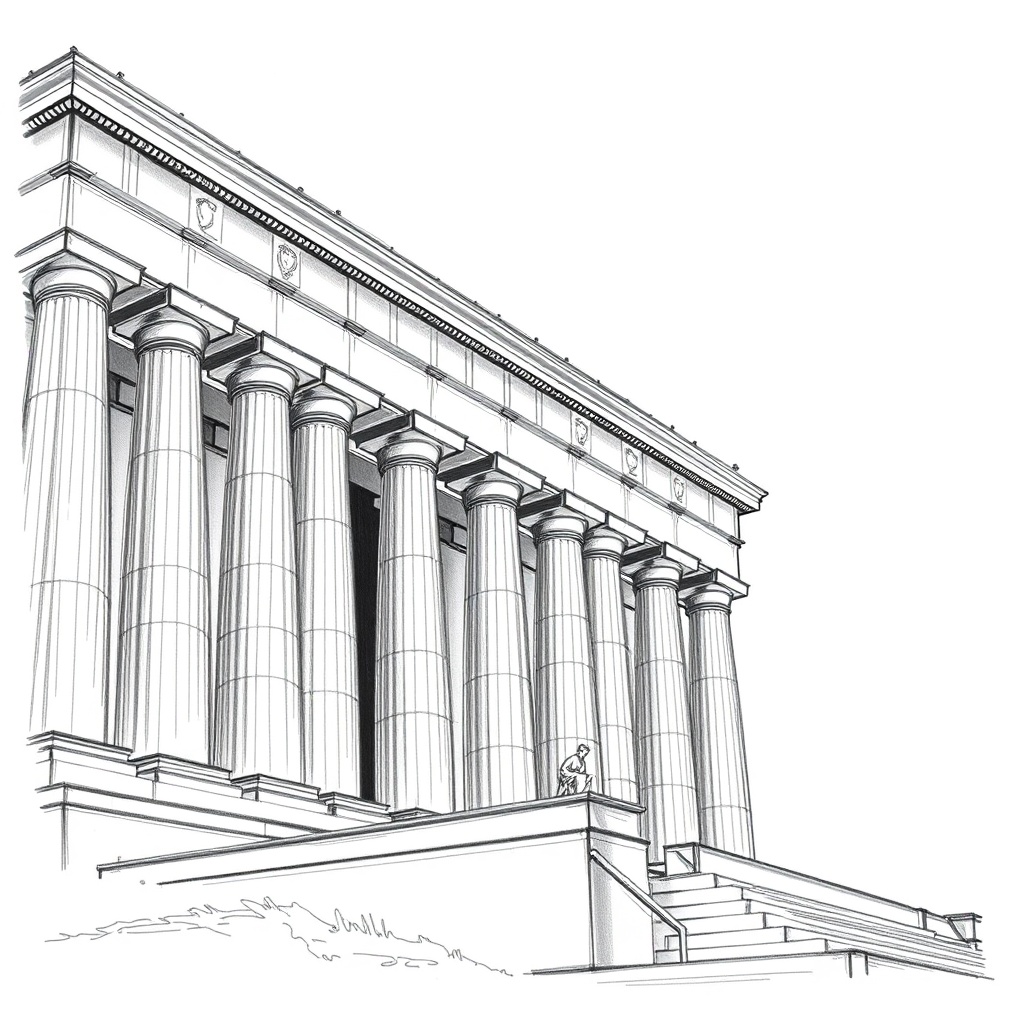
Designed as a classical temple, the memorial uses Doric columns, marble cladding, and careful proportions to create a solemn, contemplative space. The central statue of Lincoln, carved by Daniel Chester French, dominates the interior and is framed by inscriptions of two of Lincoln’s most important speeches. The combination of scale, light, and inscription work together to encourage reflection on leadership, unity, and justice.
Symbolism and civic role
The memorial functions both as a tribute to a single president and as a public forum. The inscriptions and sculptural details emphasize themes of national purpose and human rights. Over the decades it has become a gathering place for moments of protest, commemoration, and civic speech—an embodiment of how public spaces can shape national conversation.
What to see and photograph
– The statue and inscriptions: Capture the seated statue from the steps for a dramatic, symmetrical shot.
Move closer to photograph the carved words of the Gettysburg Address and the Second Inaugural Address.
– The columns and exterior: From the mall side, the colonnade and the memorial’s elevated podium create strong leading lines for broad, landscape-style photos.
– Reflections: When the Reflecting Pool is calm, it mirrors the memorial for classic sunrise or sunset images.
– Night lighting: The memorial’s lighting creates a serene, almost cathedral-like atmosphere after dark—ideal for long exposures and moody portraits.
Practical visiting tips
– Timing: Early morning or late evening visits avoid crowds and offer softer light. Weekends and national holidays are the busiest times.
– Access and mobility: Ramps and elevators provide accessible routes; accessible seating and rest areas are available on-site. Check the National Park Service resources for the latest accessibility details before visiting.
– Security and rules: The memorial is managed as part of the National Mall’s park system; standard park rules apply.
Large gatherings or events may require permits.
– Nearby sites: The memorial is a short walk from the Reflecting Pool, the World War II Memorial, and the Vietnam Veterans Memorial—plan a route to cover these highlights in one loop.
Respectful behavior and safety
As a place of remembrance and public assembly, visitors are asked to observe respectful behavior: keep noise to a minimum inside the memorial, follow any posted instructions, and be mindful during ceremonies or performances. Be aware of pickpocketing risks in crowded areas and keep valuables secure.
Conservation and care
Ongoing conservation work keeps the memorial structurally sound and visually impactful.
Maintenance projects focus on stone preservation, cleaning, and protecting inscriptions from environmental wear—efforts designed to preserve the site for future generations.
Why it matters
More than a monument to a single historical figure, the Lincoln Memorial serves as a living civic space where architecture, memory, and public life intersect.
Whether visited for study, reflection, photography, or participation in civic action, it remains a powerful symbol of national ideals and the promise of democracy.