The Lincoln Memorial stands as one of the most recognizable and meaningful monuments on the National Mall, blending classical architecture with powerful American symbolism.
Visitors come for the imposing seated statue of Abraham Lincoln, the poetic inscriptions of his speeches, and the sweeping view down the Reflecting Pool toward the Washington Monument.
Design and symbolism
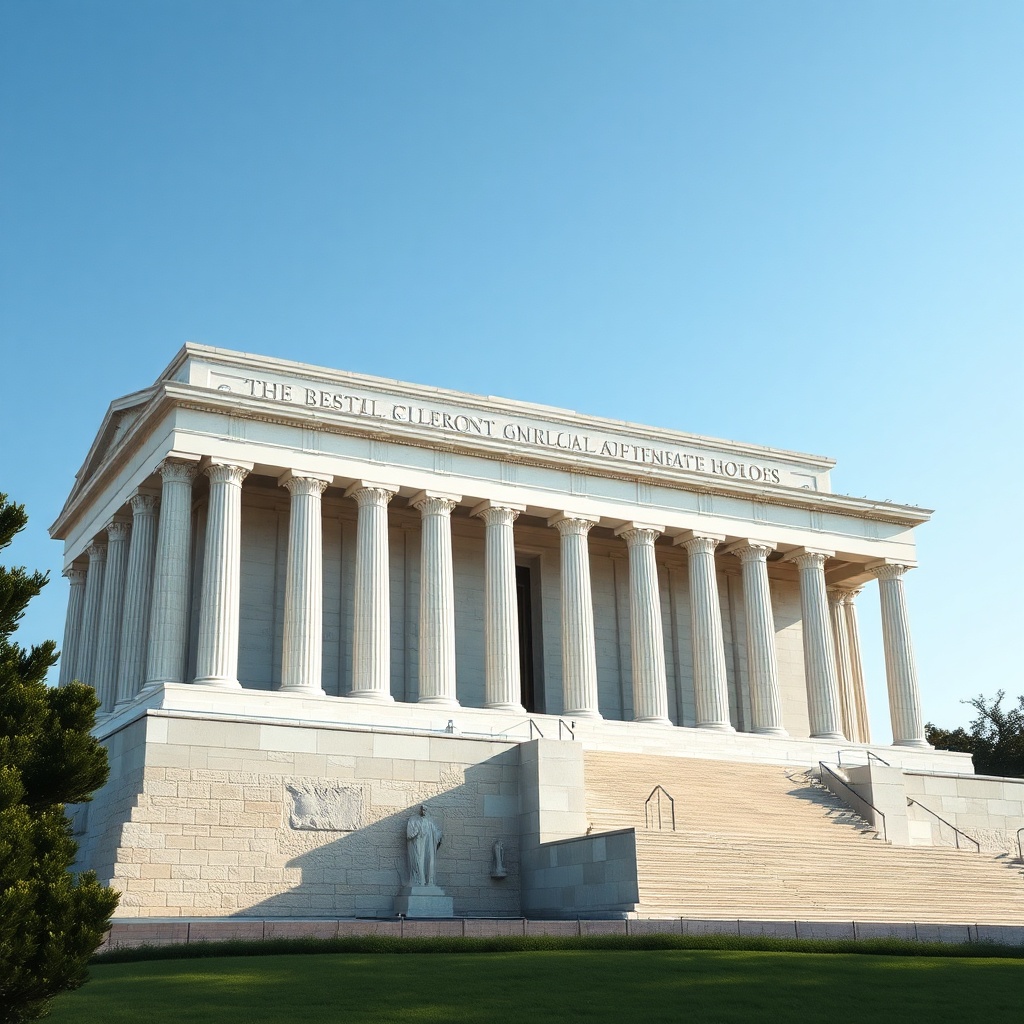
The memorial’s design echoes a Greek Doric temple, with a colonnade that creates a solemn, dignified atmosphere. The number of exterior columns represents the states in the Union at the time of Lincoln’s death, and the interior is intentionally spare so attention focuses on the monumental sculpture and the carved texts of the Gettysburg Address and the Second Inaugural. The overall composition communicates ideals of unity, reflection, and the enduring principles of democracy.
Art and architecture highlights
– The seated Lincoln statue is the focal point: a contemplative figure crafted to convey both strength and compassion.
– Inscribed walls display Lincoln’s most famous addresses, encouraging quiet reflection and civic thought.
– The memorial’s classical proportions and marble cladding create striking photo opportunities, especially when illuminated at night.
Historical and cultural significance
Beyond architecture, the memorial has been a backdrop for historic moments in civil rights, journalism, and public protest. It continues to serve as a gathering place for ceremonies, vigils, and cultural events, making it a living monument that connects past ideals with contemporary civic life.
Practical visiting tips
– Best times: Early morning provides soft light, fewer crowds, and calm reflections in the pool. Evening lighting highlights the sculpture and inscriptions for dramatic photos.
– Photography: Use the long axis from the steps to capture the statue framed by columns and the Reflecting Pool’s view toward the Washington Monument. Wide-angle lenses work well for interior shots; a tripod helps for low-light images when permitted.
– Crowd management: Weekends and holiday periods draw the largest crowds. Midweek, early or late, usually offers a quieter experience.
– Accessibility: Paths, ramps, and accessible routes make the memorial approachable for visitors with mobility needs. Check current National Park Service guidance before visiting for any temporary access changes.
– Nearby sites: Pair a visit with neighboring memorials and museums along the Mall for a fuller cultural itinerary.
Conservation and stewardship
Ongoing preservation is essential to protecting the memorial’s marble surfaces, inscriptions, and structural features. Maintenance teams work to mitigate weathering, manage visitor impact, and ensure safe public access. Visitors can help by following site rules, avoiding climbing on monuments, and participating in respectful behavior near inscribed texts and sculptures.
Why it matters
The Lincoln Memorial invites contemplation about leadership, freedom, and national unity. Whether you’re drawn by architectural beauty, historical resonance, or photographic potential, the memorial rewards thoughtful time spent at its steps and inside its colonnade.
Plan your visit
Check the National Park Service for current visitor advisories, accessibility updates, and information about guided programs or special events taking place at the memorial. Arrive early or late for the most reflective experience, bring comfortable shoes for walking the Mall, and allow time to pause at the inscriptions and the view across the Reflecting Pool.