Washington Capitals: balancing a legendary legacy with a youth-driven future
The Washington Capitals remain one of the NHL’s most recognizable brands, anchored by a mix of franchise legends, rising talent, and a passionate fan base at Capital One Arena. A club long associated with high-octane offense and star power is navigating a thoughtful transition — preserving legacy while building a roster that can compete sustainably.
A lasting offensive identity
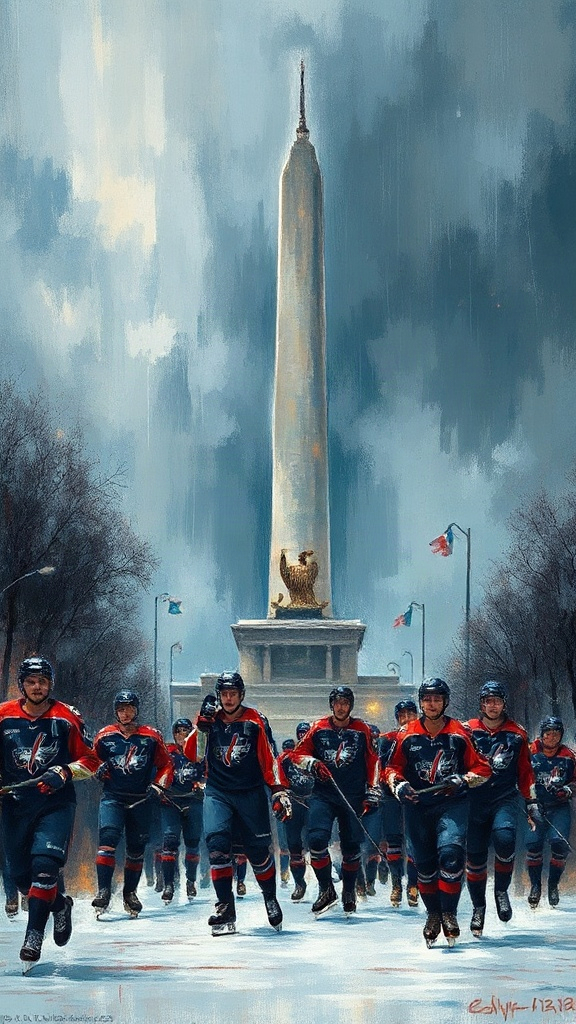
The Capitals’ identity has been shaped by elite goal scoring and a penchant for red-zone attacks.
That tradition continues to influence personnel decisions and on-ice systems.
The power play and finishing around the crease remain priorities: puck movement, a strong net-front presence, and seam passing are staples that help high-skill forwards convert opportunities and keep the team dangerous in tight games.
Veteran leadership and legacy
Veteran leaders remain important as mentors and culture carriers. Having seasoned players who know how to manage playoff intensity and in-game adjustments helps steady younger teammates during stretches of inconsistency. The franchise’s history and notable milestones provide a powerful motivational backdrop for the locker room, giving prospects a clear standard to aim for.
Prospects and player development
Investment in the development pipeline is a central element of the organization’s long-term plan. The AHL affiliate continues to be a proving ground where prospects refine defensive reads, special-teams play, and physical maturity. A sustainable pipeline emphasizes skill development, adaptability to different roles, and consistent minutes against older competition.
Defense and transitional play
A modern NHL defense needs mobility and the ability to break up plays quickly while joining the offensive rush when appropriate. The Capitals have prioritized defensemen who can skate, make plays through the neutral zone, and contribute on the power play. Emphasis on gap control, active sticks, and quick outlet passes reduces pressure on goaltending and helps fuel counterattacks.
Goaltending stability
Stable goaltending remains a deciding factor in the race for postseason berths. A tandem approach that blends experience with a developing backstop allows the coaching staff to manage workload and match styles to opposition strengths. Clear communication between goaltenders and defense, along with consistent practice habits, helps maintain confidence through peaks and valleys.
Coaching and systems
Systematic clarity—knowing who presses, when to cycle, and how to defend the high-danger areas—keeps execution tight. Coaching that adapts to the roster’s mix of youth and experience helps players find roles quickly.
When systems allow for creativity inside a structure, skilled players flourish and less experienced players gain confidence faster.
Fan engagement and home-ice advantage
The Capitals enjoy strong local support and a lively home-ice atmosphere that can swing momentum. Promotions, community outreach, and in-arena experiences help grow the fan base while rewarding long-time supporters. Maintaining that connection between the team and the community is as important as the on-ice product.
What to watch next
Keep an eye on the development of the prospect group, the evolution of the power play, and how young defensemen adapt to heavier defensive workloads. The balance between preserving veteran leadership and accelerating youth contribution will determine whether the Capitals can blend tradition with the refresh needed for sustained success.
For fans and observers, the story is compelling: a franchise charting a course that honors its past while building toward a competitive future — a mix of experience, emerging talent, and strategic development that keeps Capitals hockey exciting to follow.