Washington, D.C.’s food scene blends political gravitas with culinary creativity, making it a top destination for adventurous diners and neighborhood regulars alike. From iconic late-night counters to refined tasting menus and a world-class Ethiopian corridor, the city offers a rich palette of flavors that reflects its diverse population and vibrant food culture.
What to expect
D.C.
dining moves quickly between elevated chef-driven restaurants and approachable comfort food. Fine-dining establishments emphasize seasonal, local sourcing and inventive tasting menus, while neighborhood spots focus on authenticity—think smoky half-smokes at long-standing counters, bold Ethiopian stews served on injera, and fresh seafood at waterfront oyster bars. Food halls and markets have become culinary hubs, offering everything from artisanal bakers to international street food vendors under one roof.
Neighborhood highlights
– U Street and Shaw: Known for nightlife and music, these areas also host acclaimed restaurants that blend modern techniques with soul-food roots and global influences.
– Penn Quarter and Chinatown: Home to museum crowds and business lunches, expect polished dining rooms and lively bistros.
– Capitol Hill and Navy Yard: Markets, waterfront dining, and seasonal oysters define these neighborhoods; weekends fill with brunch-goers and farmers market shoppers.
– 9th Street NW (Little Ethiopia): A concentrated strip of Ethiopian restaurants invites communal dining—share platters that showcase spiced stews, lentils, and vegetable sides.
– H Street and Brookland: Trendy, artsy corridors where casual spots, late-night bites, and rotating pop-ups keep the scene fresh.
Markets and food halls
Eastern Market and Union Market are must-visits for anyone who loves local produce, craft goods, and chef-run stalls. These markets are great for sampling small bites, buying locally made groceries, and catching pop-ups by rising chefs.
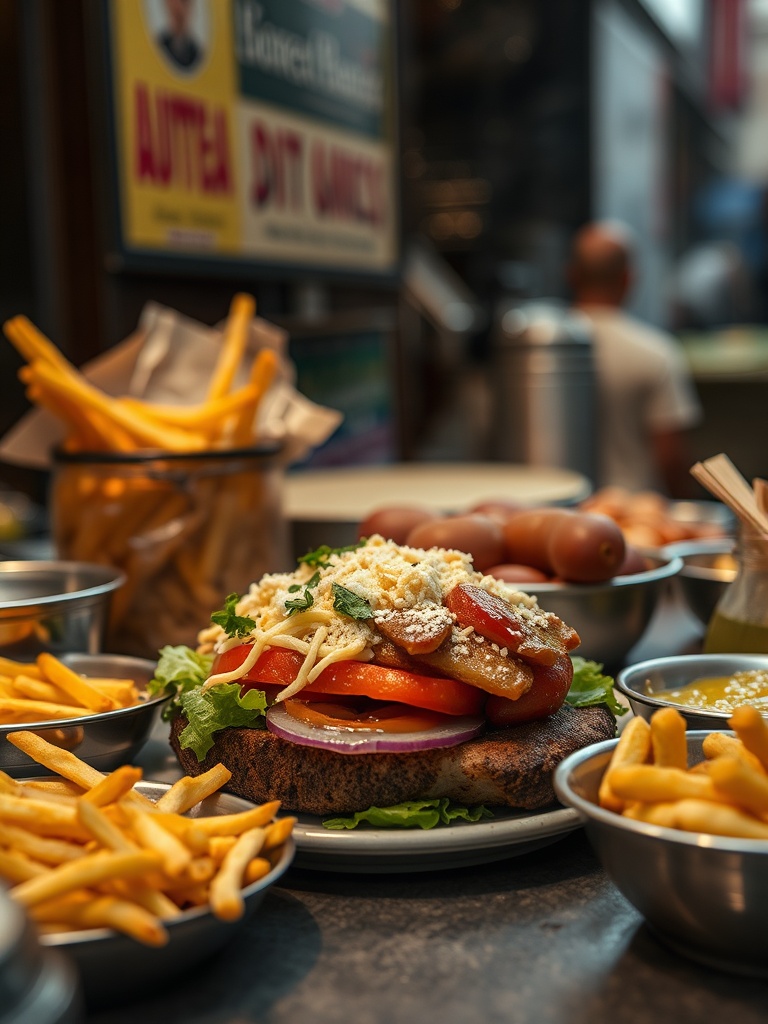
Waterfront districts and new mixed-use developments often feature curated food halls that make it easy to try multiple cuisines in a single outing.
Trends shaping the scene
Sustainability and seasonality are central to many kitchens, with chefs prioritizing local farms, regenerative practices, and minimal waste. Plant-forward plates and creative vegetarian options are increasingly common, not just as afterthoughts but as menu highlights. Expect bold cocktails that focus on house-made syrups and bitters, along with a strong craft beer and natural wine presence.
Delivery and experimental dining formats—such as supper clubs and rotating chef residencies—remain popular ways to discover new flavors.
Tips for visitors and locals
– Reservations are recommended for popular tasting menus and weekend brunches; a last-minute walk-in strategy often works better at casual counters and markets.
– Explore beyond the National Mall: the best neighborhood restaurants and hidden gems tend to be off the main tourist paths.
– Share dishes when possible—Ethiopian platters, seafood towers, and mezze-style spreads offer the most variety.
– Check market and pop-up schedules online before visiting; many vendors rotate and some operate on limited days.
Why D.C.
stands out
The capital’s food identity is rooted in cultural exchange, strong local agriculture, and a hospitality community that embraces experimentation. Whether seeking a historic counter with a famous sandwich, a multi-course chef’s tasting, or a bustling market meal, D.C.
serves up memorable dining experiences that reward curiosity and a willingness to explore neighborhoods by foot.