Washington, D.C. is more than monuments and museums—it’s a living, walkable city where politics, culture, food, and green space meet.
Whether you’re visiting for a weekend or exploring neighborhoods like a local, a few simple strategies make the city easier and more memorable to experience.
Why people keep coming back
The Smithsonian complex offers world-class collections with no admission fee at many locations, while independent museums and galleries add diversity and depth. Public spaces—the National Mall, waterfront parks, and tree-lined neighborhoods—create a pleasing blend of civic grandeur and neighborhood character. That mix keeps both first-time visitors and repeat travelers engaged.
Get around smartly
– Metro: The rapid transit system covers most major attractions. Plan travel around station exits and check for service alerts before you head out. The Metro is busiest during peak commute hours, so aim for mid-morning or late afternoon for easier trips.
– Bike and scooter share: Capital Bikeshare docks span the city, and dockless scooters fill many neighborhoods. These are ideal for short hops and scenic rides along the Mall or riverfront paths.
– Walk where you can: The core neighborhoods are compact.
Walking reveals unexpected murals, independent bookstores, and neighborhood coffee shops.
– Water taxis and rideshares: For a scenic alternative, water taxis connect certain riverfront neighborhoods, and rideshare options are plentiful when transit doesn’t align with your schedule.
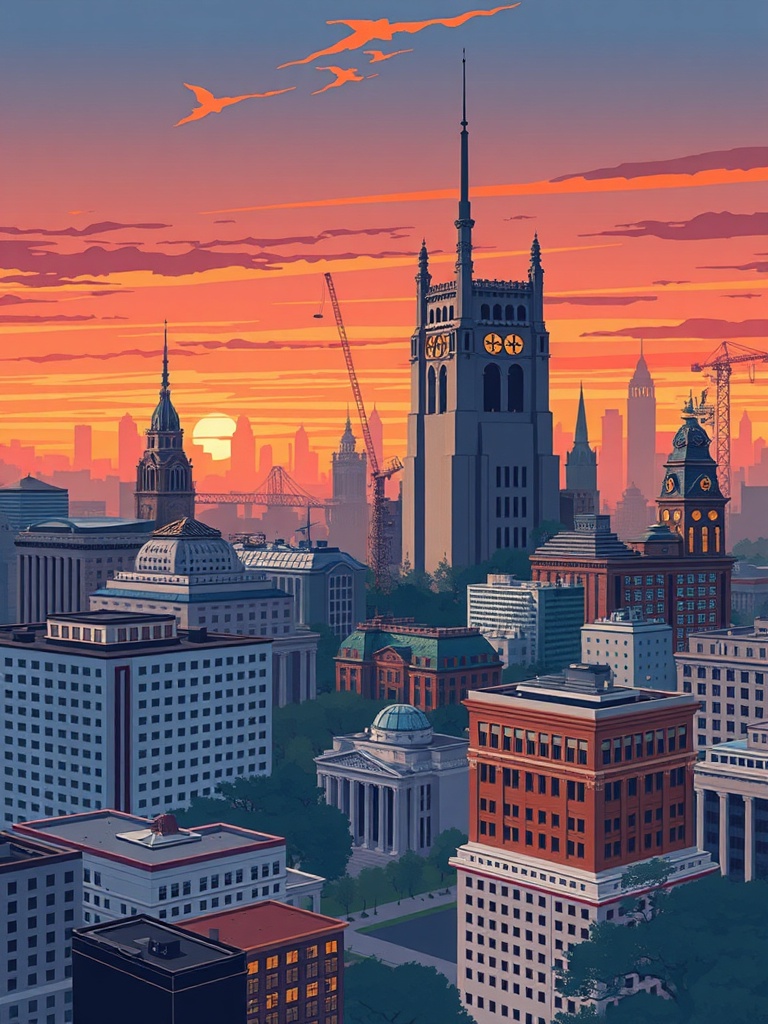
Make the most of museums and memorials
– Prioritize: The city’s museums are vast; choose a focus—art, history, aerospace—and don’t try to see everything in one trip. Timed-entry tickets sometimes apply to special exhibitions or popular sites, so book ahead when possible.
– Free and accessible: Many museums offer free admission and strong accessibility programs.
Check museum websites for current visitor information, security procedures, and special hours.
– Early or late visits: Visiting early in the morning or later in the afternoon helps avoid peak crowds at iconic memorials along the Mall.
Neighborhood highlights
– U Street and Shaw: Vibrant music history, jazz clubs, trendy dining, and independent shops make these neighborhoods perfect for an evening out.
– Capitol Hill and Eastern Market: Historic streets, a bustling market, and proximity to the Capitol and Supreme Court are ideal for strolling and sampling local fare.
– Georgetown: Cobblestone streets, waterfront paths, and boutique shopping create a picturesque outing—bring comfortable shoes for the hills.
– Anacostia and the riverfront: A renewed focus on waterfront parks and community arts has made these areas compelling for visitors seeking local culture and quieter green spaces.
Dining and nightlife
The food scene ranges from classic restaurants to food halls and street food. Neighborhood farmers markets and pop-up events are good ways to taste seasonal local produce and meet residents. Reservations are recommended for popular spots, and brunch remains a favorite local pastime.
Safety and comfort
Like any major city, awareness and planning boost enjoyment.
Stick to well-lit, populated streets after dark and use transit or rideshares when traveling outside central neighborhoods.
Public restrooms are available in many museums and public parks.
Plan, but stay flexible
A loose plan—selecting neighborhoods and must-see sites—combined with room for serendipity yields the best experience.
Check transportation updates and museum visitor information before heading out, and embrace the city’s mix of grand monuments and neighborhood discoveries for a trip that feels both efficient and alive.