Washington DC’s food scene blends power-meets-palatability: global flavors, neighborhood staples, chef-driven tasting menus and lively markets coexist within a compact, walkable city. Whether you’re chasing iconic comfort dishes or exploring ambitious plant-forward cuisine, the capital offers a rich array of options that satisfy food tourists and locals alike.
What to try first
– Half-smoke: A smoky, spicy sausage served in a bun and topped with chili and mustard — a DC must-try that shows up at late-night counters, food trucks and historic spots alike.
– Chesapeake seafood: Fresh oysters, crab cakes and soft-shell crab showcase regional seafood traditions; seasonal availability and sourcing make restaurants near the waterfront especially compelling.
– Ethiopian cuisine: DC is one of the best cities outside of its country of origin for Ethiopian food. Communal platters of injera with richly spiced stews are perfect for sharing and exploring varied flavors.
– Market eats: From artisanal pastries to international street food, markets are the best place to graze and discover new vendors.
Neighborhoods and markets to explore
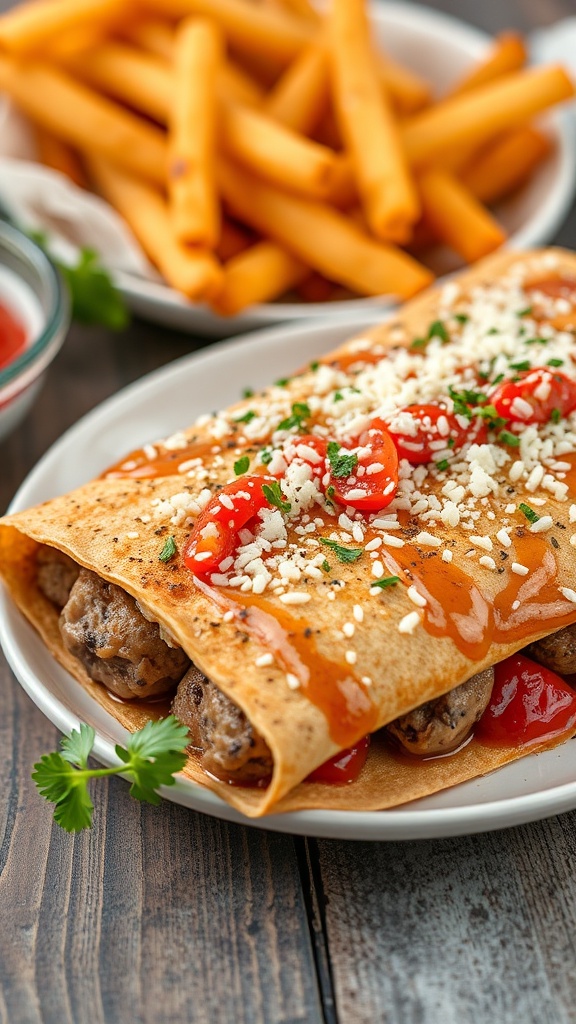
– Union Market: A curated food hall and marketplace with rotating vendors, specialty grocers and bars; ideal for groups who want lots of variety without long waits.
– Eastern Market: A long-running public market where farmers, bakers and artisans gather during weekend market days; it’s a great spot for breakfast, produce and people-watching.
– The Wharf: Waterfront dining, seafood-focused restaurants and lively bars with views of the river make this area a popular destination for seafood and cocktails.
– U Street and 14th Street corridor: Trend-setting restaurants, late-night joints and a strong nightlife scene keep these neighborhoods busy well after dinner.
– Shaw and Adams Morgan: Known for their mix of international eateries and late-night spots, perfect for exploring diverse cuisines by foot.
Dining trends and what to expect
– Chef-driven tasting menus sit alongside casual concepts, so you can book an intimate multi-course experience or grab a quick, excellent sandwich from a neighborhood counter.
– Sustainability and local sourcing are important to many kitchens. Look for seasonally driven menus that highlight local farms and regional seafood.
– Plant-forward and vegan options are increasingly creative and satisfying, not just an afterthought on menus.
– Food halls and pop-up kitchens are evolving, offering a rotating lineup of emerging chefs and concepts — a smart way to sample several cuisines in one visit.
Practical tips
– Popular restaurants often require reservations, especially for dinner services on weekends. For walk-in plans, aim for weekday lunches or early dinners.
– Public transit, rideshares and bikeshare systems make getting around easier than parking in busy neighborhoods.
– Bring small bills or a card, but remember that smaller vendors and pop-up stalls sometimes prefer cashless or exact-change transactions — checking payment options ahead saves time.
– Join a guided food tour or a neighborhood crawl if you want curated tastings and local context without the planning.
Whether you’re seeking a classic half-smoke from a beloved counter, a refined tasting menu, or global flavors at a bustling market hall, DC food offers dynamic and diverse experiences. Explore neighborhoods with an appetite and you’ll find both comforting staples and inventive new plates that reflect the city’s energetic culinary spirit.