Washington DC travel guide: Things to see, where to go, and how to get around
Washington DC is more than monuments and museums. While the National Mall and Smithsonian museums draw visitors, the city’s neighborhoods, food scene, waterfronts, and green corridors offer layers that reward repeat visits. Whether you’re planning a weekend or a longer stay, use this guide to explore DC like a local.
Must-see attractions
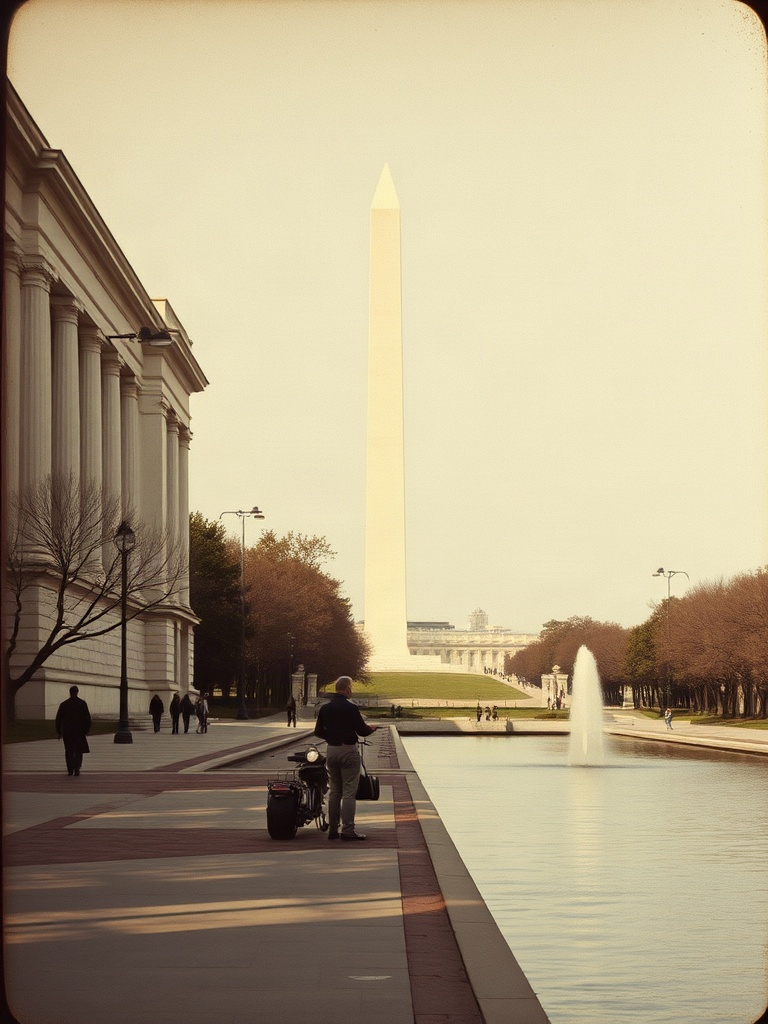
– National Mall & Monuments: Walk the Mall at a relaxed pace to take in the Washington Monument, Lincoln Memorial, and the reflecting pools.
Early morning or late afternoon light is best for photos and smaller crowds.
– Smithsonian museums: Many Smithsonian museums offer free admission and cover art, history, science, and culture. Plan museum stops around your interests and reserve timed-entry passes if available.
– Capitol Hill & Library of Congress: Beyond the Capitol building, stroll the leafy streets of Capitol Hill and visit the stunning Library of Congress reading rooms.
– Tidal Basin & Cherry Blossoms: The Tidal Basin provides scenic waterfront walks and seasonal blooms that attract locals and visitors alike.
Neighborhoods worth exploring
– Georgetown: Wander cobblestone streets, boutique shops, and the scenic C&O Canal. Waterfront cafes and canal paths make this neighborhood ideal for leisurely afternoons.
– U Street & Shaw: Known for live music, jazz history, and a bustling restaurant scene, this area is lively after dark and rich with cultural landmarks.
– Navy Yard: A modern waterfront district with trendy restaurants, breweries, and a baseball park atmosphere.
The riverside promenade is perfect for a stroll or bike ride.
– Dupont Circle & Adams Morgan: These neighborhoods offer eclectic dining, bookshops, nightlife, and picturesque circles and parks for people-watching.
Food and nightlife
DC’s food scene blends global flavors with Mid-Atlantic ingredients. From Michelin-led tasting menus to late-night food trucks and neighborhood bakeries, there’s something for every appetite.
For cocktails, many neighborhoods feature speakeasy-style bars and rooftop lounges with skyline views. Farmers markets and local coffee shops are great for sampling seasonal produce and craft roasters.
Getting around
DC is compact and walkable, especially within the central neighborhoods. Public transit options include an extensive rail and bus network; apps help with real-time schedules and service alerts. Docked and dockless bikeshare and e-scooters are plentiful and useful for short trips; helmet use is encouraged and bike lanes cover many main corridors. Rideshares and taxis are convenient for late-night trips or destinations outside the transit grid.
Practical tips
– Timing matters: Monuments and popular museums are least crowded early in the day. Evening events and neighborhood dining pick up after business hours.
– Reserve ahead: For specialized museum exhibits, theatre performances, or popular restaurants, book tickets or tables in advance to avoid disappointment.
– Weather-ready packing: Layers work best—summer can be hot and humid, while shoulder seasons bring cool mornings and warmer afternoons.
Comfortable walking shoes are essential.
– Respectful visiting: Many national sites are memorials; observe signage and designated paths, and be mindful of guided-tour etiquette.
Hidden gems and outdoor escapes
Explore Rock Creek Park for hiking and nature trails within city limits, or take the lesser-known streets of Capitol Hill to discover neighborhood markets and local bakeries. The city’s waterfront promenades and pop-up outdoor events make it easy to enjoy parks, art, and community activities.
Whether you focus on major landmarks or neighborhood discoveries, Washington DC rewards curiosity. Plan a mix of museums, walks, and dining experiences to make the most of your visit.