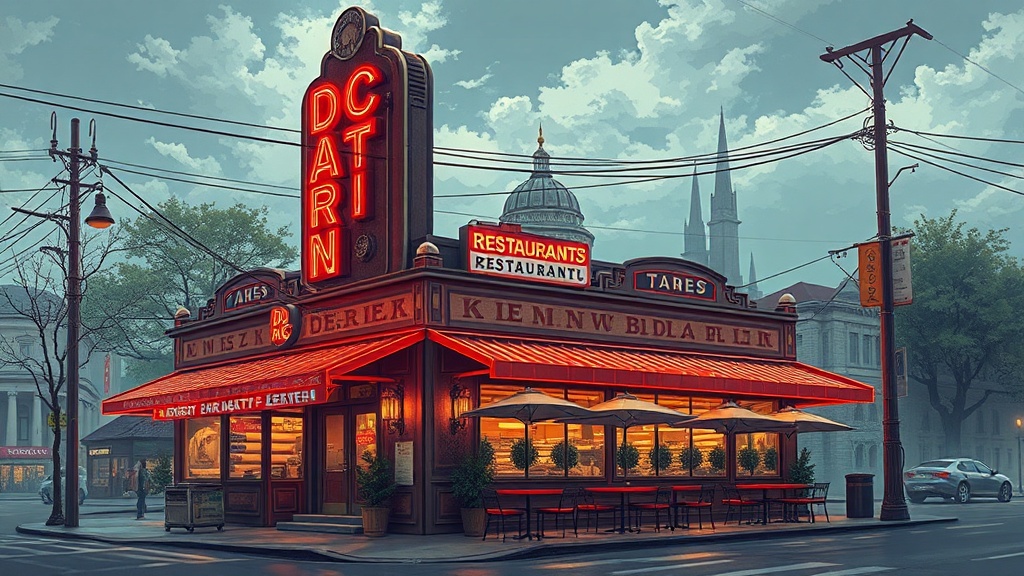
Washington’s restaurant scene moves at a lively pace, blending global flavors with locally sourced ingredients and creative cocktail programs. Whether you’re after a power lunch near the federal buildings, a casual bite on a bustling corridor, or an elegant tasting menu, DC restaurants deliver an exciting mix of tradition and innovation.
Neighborhoods to explore
– Penn Quarter and Chinatown: Ideal for theater-goers and museum visitors, this area has everything from polished, chef-driven restaurants to approachable pizza and craft cocktail bars.
– Georgetown: Known for cobblestone streets and waterfront views, Georgetown hosts classic American dining alongside upscale bistros and cozy cafes.
– U Street, Shaw, and 14th Street: These corridors are where nightlife, live music, and progressive menus converge—expect inventive small plates and vibrant late-night spots.
– Navy Yard and The Wharf: Waterfront dining dominates here, with rooftop views, seafood-forward menus, and energetic outdoor patios.
– Union Market and Eastern Market: Food halls and markets in these neighborhoods are great for sampling regional vendors, artisanal snacks, and multicultural street food.
What to expect on the menu
Menus across the city emphasize seasonality and provenance. Look for farm-to-table plates, vegetable-forward tasting menus, and chefs who spotlight regional growers and fishers. International offerings are robust—think modern takes on Vietnamese, West African, contemporary Mexican, and elevated American comfort food. Many spots now feature rotating prix-fixe options alongside à la carte choices, making it easy to tailor a meal to any appetite or budget.
Dining styles and budgets
Fine dining establishments often focus on multi-course tasting menus and refined wine pairings, while neighborhood restaurants serve everything from wood-fired pizzas to hearty brunches. Food halls and casual counters are budget-friendly ways to try several cuisines in one visit.
For special occasions, look for chef’s tables and private dining rooms; for a lower-key night, happy hours and chef’s counter seats offer good value.
Tips for getting a table
Reservations are strongly recommended for evenings and weekends—popular spots can fill quickly. Use reservation platforms and the restaurants’ own booking systems; some high-demand venues release walk-in spots or cancellation lists throughout the week. Arriving early for happy hour improves chances for patio seating and shorter waits.
If public transit is an option, it often beats finding parking in busy neighborhoods.
Dietary needs and sustainability
Most restaurants are accustomed to dietary restrictions and will happily adapt dishes for vegetarian, vegan, gluten-free, and allergy-conscious diners. Sustainability is a common theme: many kitchens reduce waste, source locally, and partner with regional farms and fisheries.
Ask servers about sourcing and preparation if that’s important to your dining choice.
Seasonal and experiential elements
Outdoor dining has become a mainstay—patios, rooftops, and heated tented spaces make al fresco enjoyable for much of the year. Tasting menus and chef collaboration nights provide immersive culinary experiences, while pop-up kitchens and supper clubs offer a chance to try emerging chefs and niche cuisines.
Navigating the scene
Plan ahead for popular neighborhoods, consider weekday dinners for easier reservations, and explore food halls to sample a range of flavors without committing to a single restaurant. For groups, call ahead about family-style options or pre-set menus.
From neighborhood gems to acclaimed dining rooms, DC restaurants offer a rich culinary map.
Follow local reviews and reservation platforms to discover new openings and secure the best seats, then explore with an appetite for discovery.