How D.C. Restaurants Are Evolving: Trends, Neighborhood Picks, and Smart Dining Tips
Washington’s restaurant scene has long been a mix of fine dining, neighborhood gems, and global flavors. Lately, D.C.
restaurants have sharpened their focus on locality, creativity, and accessibility—making the city a better place to eat for every kind of diner.
What’s changing at D.C. restaurants
– Local sourcing and seasonal menus: Many kitchens are building direct relationships with Mid-Atlantic farms, fisheries, and foragers. Menus rotate more often to reflect what’s freshest, which keeps offerings exciting for regulars and highlights regional ingredients.
– Elevated casual dining: The line between casual and chef-driven dining keeps blurring.
Expect refined flavors in relaxed settings—wood-fired pizzas next to tasting menus; neighborhood oyster bars offering precise seafood preparations.
– Global comfort and authenticity: D.C.’s immigrant communities continue to shape the culinary landscape. Ethiopian, Salvadoran, Vietnamese, Filipino, West African, and Caribbean restaurants are getting the attention they deserve, with flavors presented at both humble counters and polished dining rooms.
– Sustainability and waste reduction: Restaurants are adopting composting, reducing single-use plastics, and designing zero-waste recipes that prioritize whole-animal butchery and root-to-stem vegetable uses.
– Beverage innovation: Craft cocktails increasingly focus on house-made syrups, local spirits, and low- or no-alcohol options.
Natural wine lists and thoughtfully curated local beer offerings complement many menus.
Neighborhoods that deliver
– Georgetown: Known for classic dining and waterfront views, it’s also home to quiet bistros and modern bakeries.
– Shaw and U Street: These neighborhoods combine nightlife with standout eateries—soul food, modern American, and inventive small plates are plentiful.
– Penn Quarter and Chinatown: Ideal for theatre nights, offering a mix of upscale dining and approachable pre-show menus.
– Navy Yard and the Waterfront: Popular for riverside patios and seafood-forward restaurants after work or for weekend outings.
– Adams Morgan and Columbia Heights: Diverse, lively, and great for late-night bites and international flavors.
Finding the best experience
– Book smart: Many popular restaurants take reservations weeks in advance, while some spots thrive on walk-in energy.
Midweek dining and early or late seating often yield easier booking and better service.
– Look for prix fixe lunch and happy hour deals: These are perfect ways to try high-quality cooking without a high price tag.
– Explore neighborhood counters: Don’t ignore cafés, noodle shops, and food markets—some of the city’s most authentic flavors are found in small, family-run places.
– Read recent reviews and menus online: Seasonal changes mean a menu today may differ from last month. Current online info helps avoid disappointment.
– Consider dietary needs up front: Many kitchens accommodate gluten-free, vegetarian, vegan, and allergy-friendly requests if notified when booking.
Dining with a conscious mindset
Opting for restaurants that prioritize sustainability, fair labor practices, and local sourcing helps the broader food ecosystem. Ask questions about where the food comes from, how seafood is sourced, and whether the venue composts or minimizes waste—most teams are happy to share.
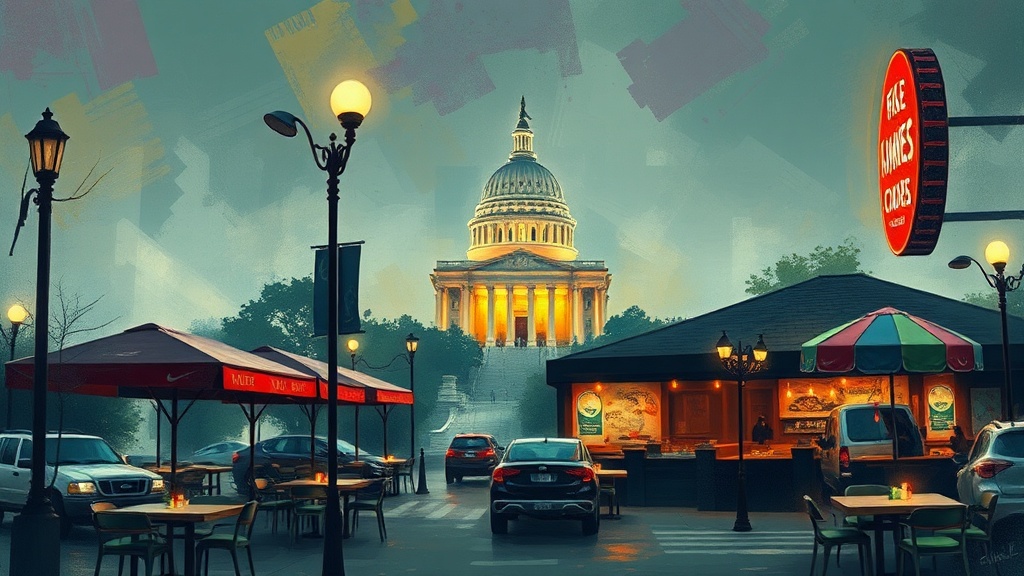
Whether you’re chasing a chef’s tasting menu, exploring a neighborhood food market, or grabbing a relaxed patio dinner, D.C.
restaurants offer depth and variety. Keep an eye out for seasonal menus and neighborhood openings, and you’ll find memorable meals without reinventing your routine.