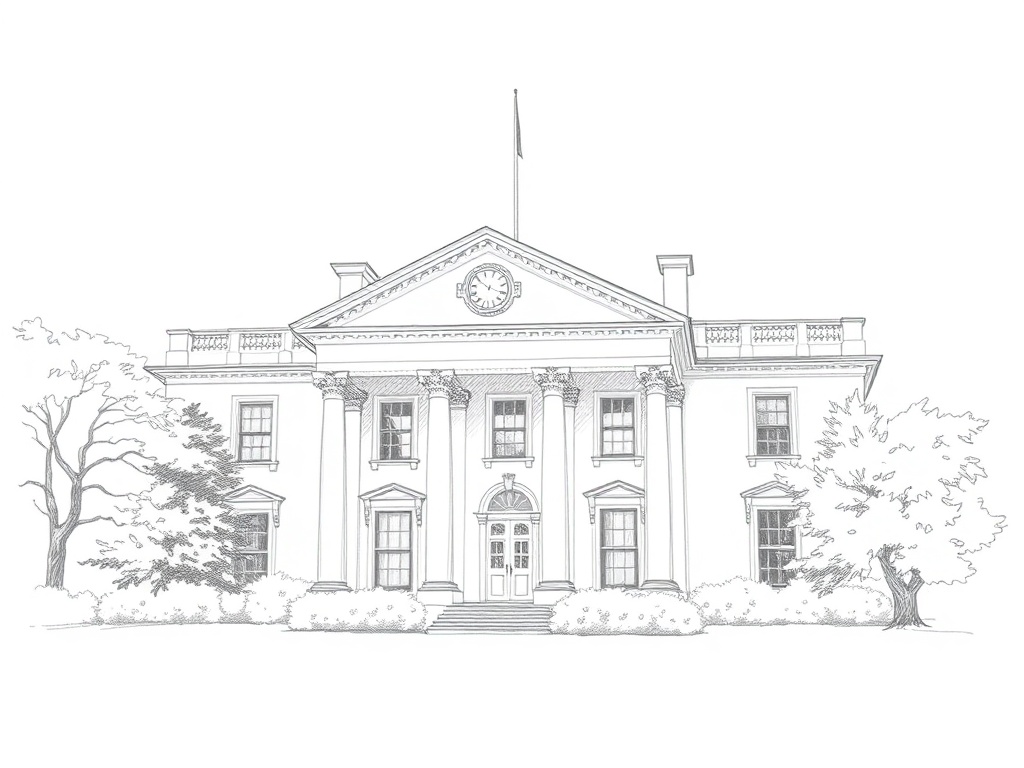
Why the White House Still Captivates — What Visitors Should Know
The White House remains one of the most recognized symbols of American government and history. Beyond its role as an official residence and workplace, it functions as a living museum, a venue for state events, and a public-facing site with programs designed to educate visitors about the nation’s history, architecture, and civic process.
What you can see and why it matters
Visitors often admire the exterior façades and the carefully maintained grounds: the South Lawn, Rose Garden, and other ceremonial spaces are regularly used for official events and offer classic photo opportunities. Inside, historically significant rooms like the East Room, State Dining Room, Blue Room, Green Room, and Red Room showcase period furnishings, decorative arts, and rotating exhibitions that reflect the nation’s cultural heritage. The Oval Office, located in the West Wing, is iconic for its design and symbolic role, while the East Wing houses public-facing offices and sometimes themed exhibitions.
How to arrange a visit
U.S. citizens typically request public tours through their member of Congress, while international visitors arrange tours through their home country’s embassy in Washington, D.C. Tours are free but limited, so planning in advance is essential. Many visitors now complement an in-person tour with virtual resources offered by the White House Visitor Center and other partnering historical organizations—handy if tickets are unavailable or schedules don’t align.
Practical tips for a smooth experience
– Request early: Public tours are in high demand and fill quickly. Flexibility with dates helps.
– Bring ID: Government-issued photo ID is required for entry. Children typically need identification as well.
– Follow security rules: Expect strict screening. Prohibited items often include bags, food, liquids, large electronics, and sharp objects. Check guidance before you travel.
– Dress comfortably: You’ll walk and stand; dress for the weather and security wait times.
– Photography: Interior photography rules can vary. Staff will explain where photos are allowed; always follow instructions.
– Accessibility: The White House offers accommodations for guests with disabilities. Contact your tour coordinator to arrange special assistance.
Beyond the tour: Visitor resources and nearby attractions
The White House Visitor Center, located a short distance away, offers exhibits, artifacts, and educational displays that expand on what you see inside. Nearby museums and landmarks on the National Mall provide easy additions to a day in the capital, making it simple to create a fuller historical itinerary.
Sustainability and stewardship
Efforts to maintain and preserve the White House focus on balancing historic preservation with modern needs. Conservation professionals, landscape architects, and curators work together to protect collections and grounds while improving energy efficiency and accessibility. These initiatives aim to keep the site relevant and resilient for future generations.
A symbol with layers
The White House is more than a building; it’s a place where history, ceremony, and daily governance meet. Whether you’re drawn by architecture, art, horticulture, or civic interest, a visit combines tangible history with the living functions of a national institution. Planning ahead, respecting rules, and exploring companion resources will make the experience richer and more meaningful.