Rediscover Washington DC: neighborhoods, transit, and must-see attractions
Washington DC is more than monuments and museums — it’s a living city of neighborhoods, riverfront promenades, culinary discoveries, and green corridors. Whether you’re planning a short visit or exploring like a local, here’s a practical guide to getting the most from the city’s cultural, outdoor, and culinary offerings.
Neighborhoods worth exploring
– Georgetown: Iconic cobblestone streets, boutique shopping, and waterfront dining define this timeless neighborhood. Walk the historic C&O Canal towpath or browse independent bookstores and specialty shops.
– Dupont Circle and Logan Circle: Lively daytime cafes, late-night eateries, and architecture lovers’ delights. These neighborhoods also host bustling farmers markets and small art galleries.
– U Street and Shaw: Known for vibrant nightlife, jazz roots, and creative restaurants. Expect a mix of classic music venues and modern dining concepts.
– The Wharf and Southwest Waterfront: A reinvented waterfront with piers, outdoor seating, and itineraries for boat rides or casual strolls along the Potomac’s edge.
– Union Market and Northeast: Food halls, emerging chefs, and artisanal makers make this area a go-to for food-focused exploration.
Top experiences to prioritize
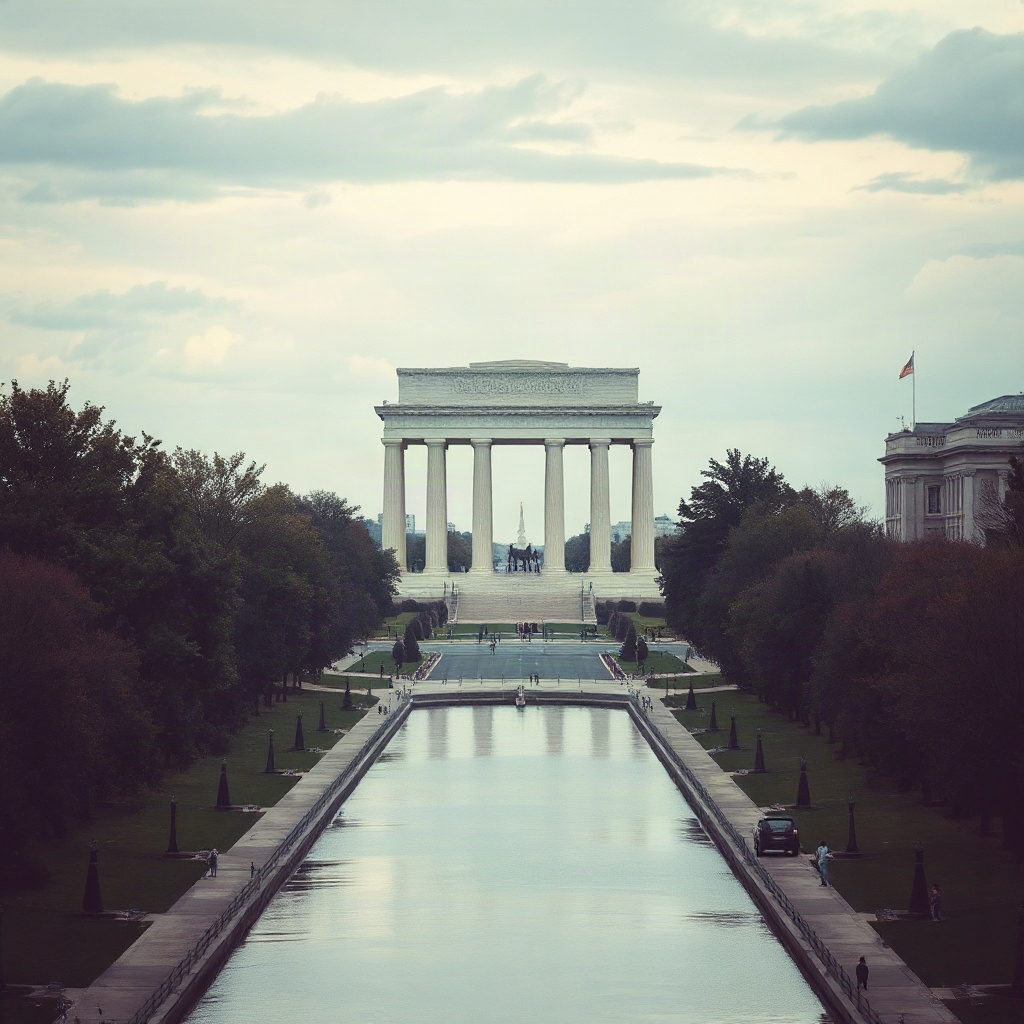
– Monument walks and memorials: The National Mall’s monuments are walkable and free; early mornings and late afternoons offer quieter, more reflective visits.
– Smithsonian museums: Free admission and world-class collections mean you can tailor museum days by theme — art, history, aerospace, or natural science — without paying for ticketed entries.
– Outdoor green space: Rock Creek Park, the Tidal Basin, and Anacostia Park provide excellent options for hiking, kayaking, and picnicking within the urban landscape.
– Cultural programming: Keep an eye on local performance calendars for concerts, theater, and seasonal festivals that spotlight the city’s creative scene.
Getting around efficiently
Public transit and active mobility are practical options.
The metro and bus networks connect major sights, while bike-share and e-scooter services are convenient for shorter hops. Rideshares and taxis fill in gaps after hours; expect weekday and event-driven fluctuations in travel time. For waterfront destinations, consider ferries or water taxis as a scenic alternative.
Food and drink highlights
D.C.’s dining scene balances historic institutions with experimental kitchens.
From longstanding seafood and soul-food neighbors to chef-driven tasting menus, there’s room for every appetite.
Food halls and markets offer budget-friendly sampling, while neighborhood bakeries and coffee shops provide cozy pit stops between attractions.
Tips for a smooth visit
– Plan for weather variability: Layers and comfortable walking shoes make outdoor sightseeing more enjoyable.
– Book reservations for popular restaurants and timed-entry attractions when possible to avoid long waits.
– Respect local rules for park usage and memorial etiquette, particularly around monuments and federal sites.
– Explore beyond the core tourist zones to discover neighborhood coffee shops, murals, and community-run events that capture daily life.
Why Washington DC continues to attract
The city’s unique mix of public spaces, cultural institutions, and neighborhoods creates an accessible, multi-layered urban experience. Whether you’re drawn to history, food, green space, or live music, Washington DC offers a fresh discovery around every corner — making it easy to return and find something new each time.
