Visiting the Lincoln Memorial: history, symbolism, and what to know
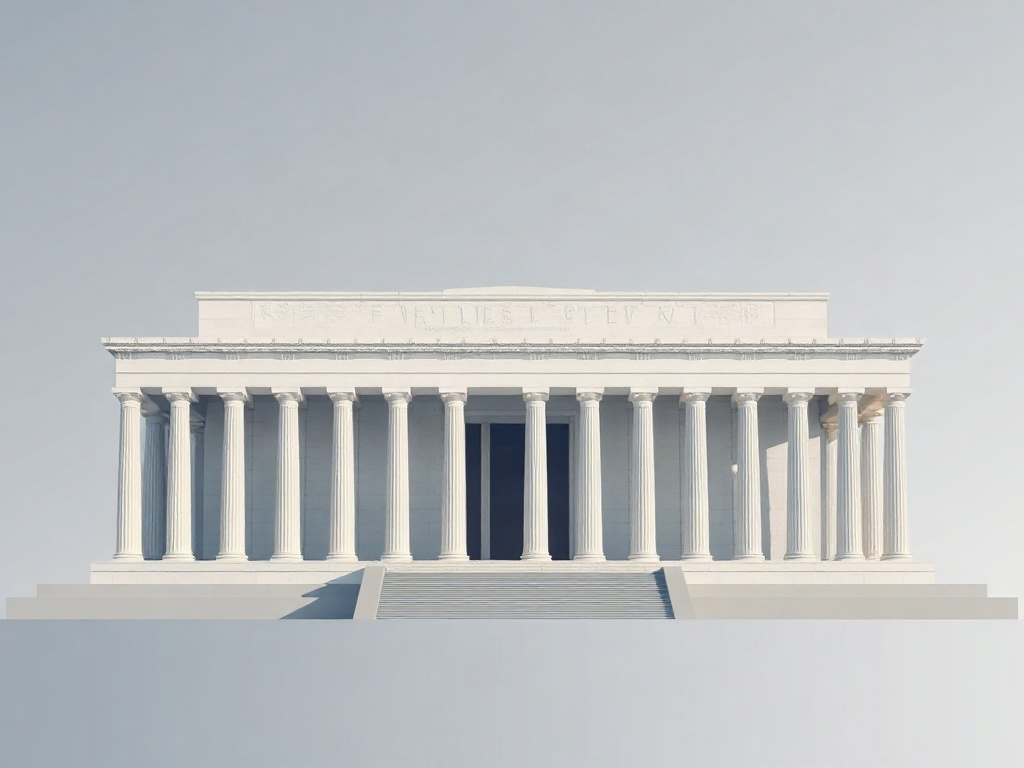
The Lincoln Memorial stands as one of the most recognized monuments on the National Mall, drawing millions of visitors who come to reflect on leadership, freedom, and national identity. More than a striking neoclassical building, the memorial functions as a civic stage: a place for quiet reflection, historic oratory, peaceful demonstrations, and memorable photographs framed by the Reflecting Pool and Washington Monument.
What the memorial represents
At the heart of the memorial sits a seated statue of Abraham Lincoln, surrounded by an interior that features two of his most famous speeches carved into the marble. The architectural form—modeled after a Greek Doric temple—evokes ideals of democracy and permanence. Decorative friezes, inscriptions, and sculptural details underscore themes of unity, liberty, and the struggle for equality. These design choices were intended to communicate both reverence for Lincoln’s leadership and the ongoing work of democratic citizenship.
Visitor experience and practical tips
– Best times to visit: Early morning or late evening offers cooler temperatures, softer light for photography, and fewer crowds. Nighttime illumination gives the monument a dramatic, contemplative atmosphere.
– Getting there: The memorial is accessible by multiple transit options and sits at the western end of the National Mall.
Expect a short walk from nearby stations and prepare for security screening during busy periods.
– Photography: Capture the statue from the center of the chamber for a classic composition. For sweeping views, include the Reflecting Pool and the distant silhouette of the Washington Monument. Drones are restricted in this area—verify current rules before flying.
– Respectful conduct: The site is both a tourist destination and a place of commemoration. Keep noise to a minimum, avoid climbing on monuments, and follow guidance from park staff.
Accessibility and amenities
The memorial is managed with accessibility in mind.
Ramps and elevators provide step-free access to the main level, and audio and tactile resources are available to enhance understanding for visitors with visual impairments. Seating and shade in surrounding areas make pauses more comfortable, and restrooms and visitor information are nearby. Check the National Park Service for the latest visitor services and any temporary restrictions.
Conservation and preservation challenges
Preserving a high-profile outdoor monument comes with technical challenges. Stone surfaces, bronze elements, and interior finishes are subject to weathering, pollution, and wear from heavy foot traffic. Conservation teams conduct routine inspections, surface cleaning, and targeted repairs to protect the integrity of the memorial without altering its historic character. Lighting and security upgrades are periodically implemented to improve safety and visitor experience while minimizing visual impact.
Civic and cultural significance
The memorial has been the backdrop for historic speeches, demonstrations, and cultural moments that continue to shape public discourse.
It remains a natural gathering point for civic participation and commemoration. Whether visitors come to study architecture, pay respects, or connect with national history, the site invites reflection on values that remain central to civic life.
Planning your visit
Before going, check official park communications for alerts about events, closures, or construction that could affect access. Bring water, wear comfortable shoes for walking the mall, and allow time to explore nearby memorials and museums. A mindful visit reveals both the monument’s artistic details and the larger story it commemorates—an enduring landmark that continues to inspire conversation about leadership, equality, and the nation’s future.