Inside the White House: history, public access, and what visitors should know
The White House is both a working office complex and an iconic public symbol. As the President’s residence and the hub of executive activity, it blends historic architecture, ceremonial spaces, and high-security operations. Understanding how the White House functions and what the public can access helps demystify one of the most photographed buildings in the world.
A quick primer on the building
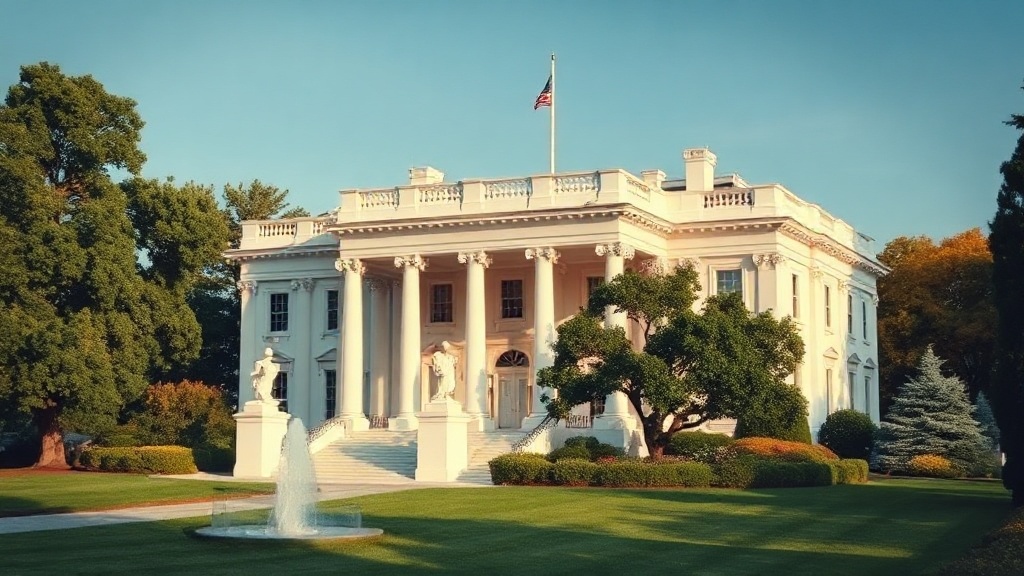
Architecturally neoclassical, the White House was designed by James Hoban and has grown over time to include distinct areas: the Executive Residence, the West Wing, the East Wing, and service spaces like the Situation Room and staff offices.
The Oval Office, located in the West Wing, is the most recognizable workroom; the State Dining Room, Blue Room, and Green Room host official receptions and cultural artifacts. The Rose Garden and South Lawn serve both ceremonial and recreational purposes, with helicopters sometimes arriving on the lawn for official travel.
Public access and tours
Public tours are available, but they are organized and limited for security reasons.
Tour requests typically go through congressional offices or embassies for international visitors. Self-guided entry is not permitted; visitors must pass rigorous security screening and present government-issued identification. Popular events—like holiday tours, garden events, and the annual public egg roll—offer additional opportunities for the public to experience the grounds and traditions.
What to expect during a visit
– Security screening: Expect metal detectors, bag checks, and strict restrictions on photography in certain rooms. Some items—bags, strollers, food, and large electronics—may be prohibited.
– Guided experience: Tours provide glimpses of ceremonial rooms and historical exhibits. Expect to move through spaces in groups and follow staff directions closely.
– Changes and closures: Certain wings or areas may be closed for official functions, renovations, or security concerns. Always check with official visitor resources before planning a trip.
How the White House operates behind the scenes
Daily operations are a coordinated effort among White House staff, the Secret Service, military aides, and other federal personnel. The West Wing houses the President’s senior advisers, press staff, and the Cabinet Room. The Situation Room supports national security decision-making with secure communications and monitoring equipment. The East Wing often accommodates the Office of the First Lady and public engagement offices, including event coordination.
Traditions and public events
Ceremonial events—state dinners, medal presentations, and holiday celebrations—highlight the White House’s role in national life. Cultural programming and exhibits rotate, reflecting both historical preservation and contemporary priorities. Gardens and grounds are used for press events, public outreach, and official functions, maintaining a balance between accessibility and security.
Sustainability and preservation
Efforts to modernize systems while preserving historical integrity are ongoing.
Energy-efficiency upgrades, improved climate control, and careful restoration projects aim to protect both the building and its collections.
Preservation teams work to maintain furnishings, art, and historic rooms for visitors and official use.
Planning your visit
– Contact your congressional representative or your country’s embassy to request a tour.
– Carry government-issued photo ID and be prepared for a security background check.
– Travel light—many items are not allowed; check official visitor guidance before arrival.
– Review current visitor policies on official channels, as schedules and access can change.
Whether you’re able to walk the public rooms or follow events from afar, the White House combines living history with the daily work of governance. It remains a place where architecture, tradition, and national life intersect, offering a layered experience for visitors and observers alike.