George Washington University: A Guide to Campus Life, Career Advantage, and Community Impact
Located in the heart of the nation’s capital, George Washington University (GW) offers a unique blend of urban energy, academic rigor, and professional opportunity. For students drawn to public policy, international affairs, health professions, business, or law, GW’s location near federal agencies, international organizations, and major employers creates a powerful springboard from classroom to career.
Campus and Neighborhood
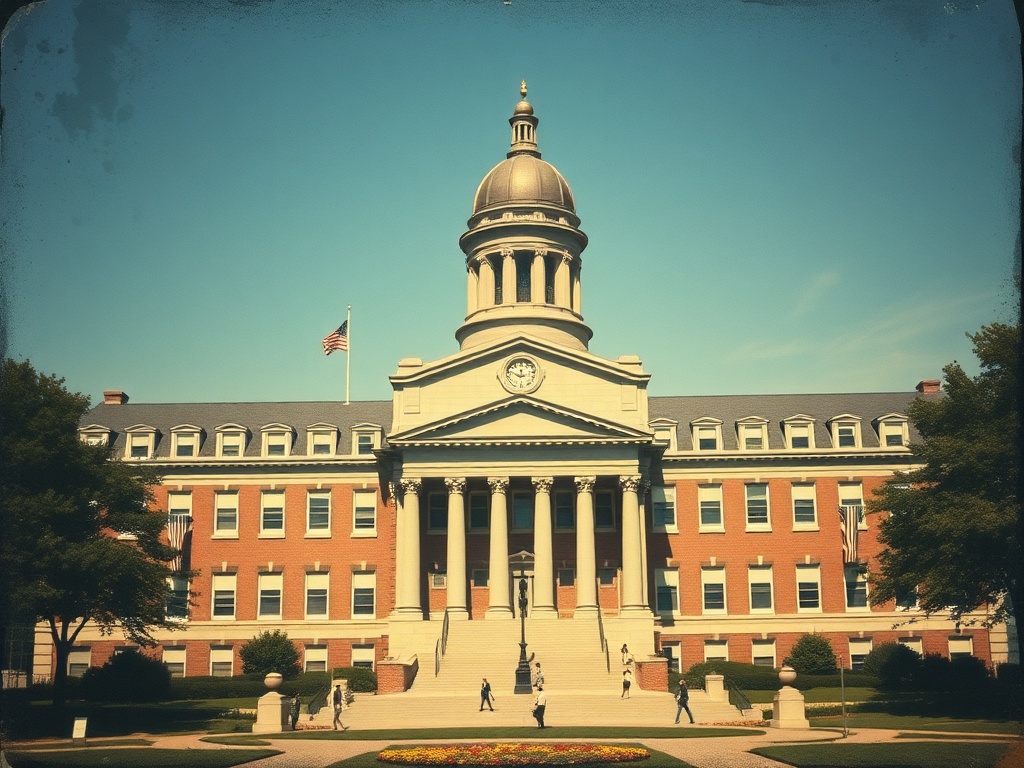
The main Foggy Bottom campus places classrooms, residence halls, and cultural venues within walking distance of landmarks, museums, and government offices.
Campus life mixes traditional college features — student organizations, arts venues, and athletics — with city amenities like restaurants, galleries, and transit options. Easy access to public transportation simplifies internships and part-time work across the city.
Academic Strengths and Research
GW is known for strong programs in public policy, international affairs, health sciences, law, and political communication. Research centers and institutes focus on topics from cybersecurity and climate resilience to global health and public diplomacy. Students can participate in faculty-led projects, interdisciplinary labs, and community-based research that connect academic theory with real-world problems.
Career Preparation and Internships
One of GW’s biggest advantages is proximity to decision-makers and employers. Career services emphasize professional readiness through resume workshops, mock interviews, career fairs, and employer panels. The university’s location enables frequent internship and networking opportunities with government agencies, think tanks, international organizations, and private firms — internships that often lead to longer-term employment or advanced study.
Student Life and Support Services
Student life balances rigorous academics with support services designed to help students thrive.
Advising centers, counseling services, and academic support programs help maintain wellbeing and academic progress. A wide range of clubs and student organizations reflect varied interests — cultural groups, political clubs, entrepreneurial societies, and community service projects — giving students a chance to develop leadership skills and build social networks.
Health and Medical Programs
GW’s health-focused schools and medical center offer clinical training and research opportunities. Partnerships with hospitals and public health agencies allow students in nursing, medicine, public health, and allied health fields to gain hands-on experience in clinical and community settings, preparing them for careers in patient care, health policy, and research.
Sustainability and Community Engagement
Sustainability initiatives and community engagement are important parts of campus life. Programs aimed at reducing environmental footprint, promoting sustainable transportation, and encouraging civic participation create opportunities for students to lead projects that make a local impact.
Community partnerships with neighborhood organizations foster mutual learning and address citywide challenges.
Tips for Prospective Students
– Leverage location: Use the university’s proximity to key institutions to pursue internships and networking early and often.
– Explore interdisciplinary study: Combine majors or add certificates that align with career goals, such as pairing public policy with data analytics.
– Get involved: Join student organizations tied to professional interests to gain experience and leadership credentials.
– Use career services: Meet with advisors regularly to refine job search strategies and build professional documents.
– Prioritize wellbeing: Balance academics with regular self-care and use campus support resources when needed.
Why It Matters
GW’s blend of urban setting, academic breadth, and access to professional networks makes it a compelling choice for students seeking immersive, career-focused education. Whether aiming for public service, global business, healthcare, or law, students can take advantage of the university’s connections and resources to shape meaningful, practical pathways from study to professional success.
For detailed program information, admissions guidance, and campus visits, check the university’s official resources and departmental pages.