The Lincoln Memorial remains one of the most visited and photographed landmarks on the National Mall, blending star-quality architecture with deep civic symbolism.
Designed as a Doric-style temple, the memorial honors Abraham Lincoln with a monumental seated statue, inscriptions of two of his most important speeches, and a setting that invites reflection along the Reflecting Pool toward the Washington Monument.
Architectural and artistic highlights
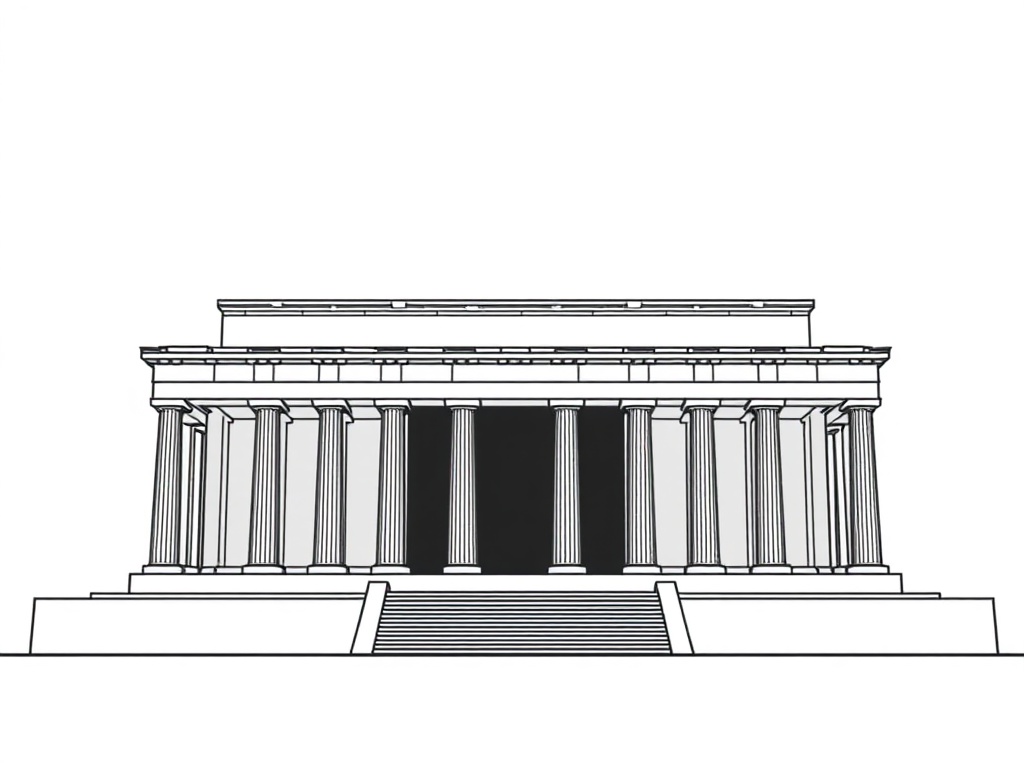
The memorial’s temple form, inspired by classical Greek architecture, is meant to evoke the ideals of democracy and civic virtue. Inside, the large seated statue of Lincoln draws the eye; the sculptor captured a contemplative, resolute presence that contrasts with the clean, strong lines of the surrounding columns. The interior walls bear inscriptions of the Gettysburg Address and the Second Inaugural Address, and a famous line—“With malice toward none, with charity for all”—offers a concise statement of reconciliation.
Friezes and decorative elements around the exterior and interior add symbolic details that reward close viewing.
Historical and civic significance
Beyond its architectural importance, the site functions as a civic stage. It has been the backdrop for major addresses and demonstrations tied to civil rights and democratic expression. That dual role—memorial and active public forum—continues to shape how visitors experience the site: a place to honor history while engaging with contemporary conversations about equality and justice.
Visiting tips
– Timing: Early morning light and late-afternoon golden hour both produce dramatic photos of the statue and the Reflecting Pool. Nighttime illuminations create a contemplative mood, but interior access may have posted hours, so check current visitor information before planning a visit.
– Photography: Wide-angle shots capture the full axial view down the Mall; a telephoto lens isolates the statue’s facial expression and sculptural detail. Be mindful of other visitors and any posted guidelines about equipment.
– Access: The memorial is reachable on foot, by bike, and via public transit options that serve the National Mall. Accessible routes, ramps, and elevator access help ensure the memorial can be experienced by visitors with mobility limitations; consult official site resources for the latest accessibility details.
– Etiquette: This is a place of remembrance and civic expression.
Stay on designated paths, avoid climbing on monuments, and treat other visitors with respect.
Conservation and preservation
Ongoing conservation is essential to protecting the memorial’s marble and limestone surfaces from weathering, pollution, and biological growth. Preservation work typically includes careful cleaning, stone repair, and lighting upgrades that balance visibility with conservation needs. These efforts are guided by conservation professionals and often coordinated by the federal agency responsible for the National Mall.
Why it still matters
The Lincoln Memorial works on multiple levels: as a striking piece of architecture, a repository of powerful words, and a public platform where citizens have gathered to petition, celebrate, and protest. For many visitors, the site prompts reflection on leadership, unity, and the unfinished work of the nation.
Whether you come for history, photography, or quiet contemplation, plan ahead, respect the memorial’s purpose, and leave time to view the inscriptions and the view down the Mall.
The experience rewards slow looking and offers a powerful reminder of how monuments can shape public memory and civic life.