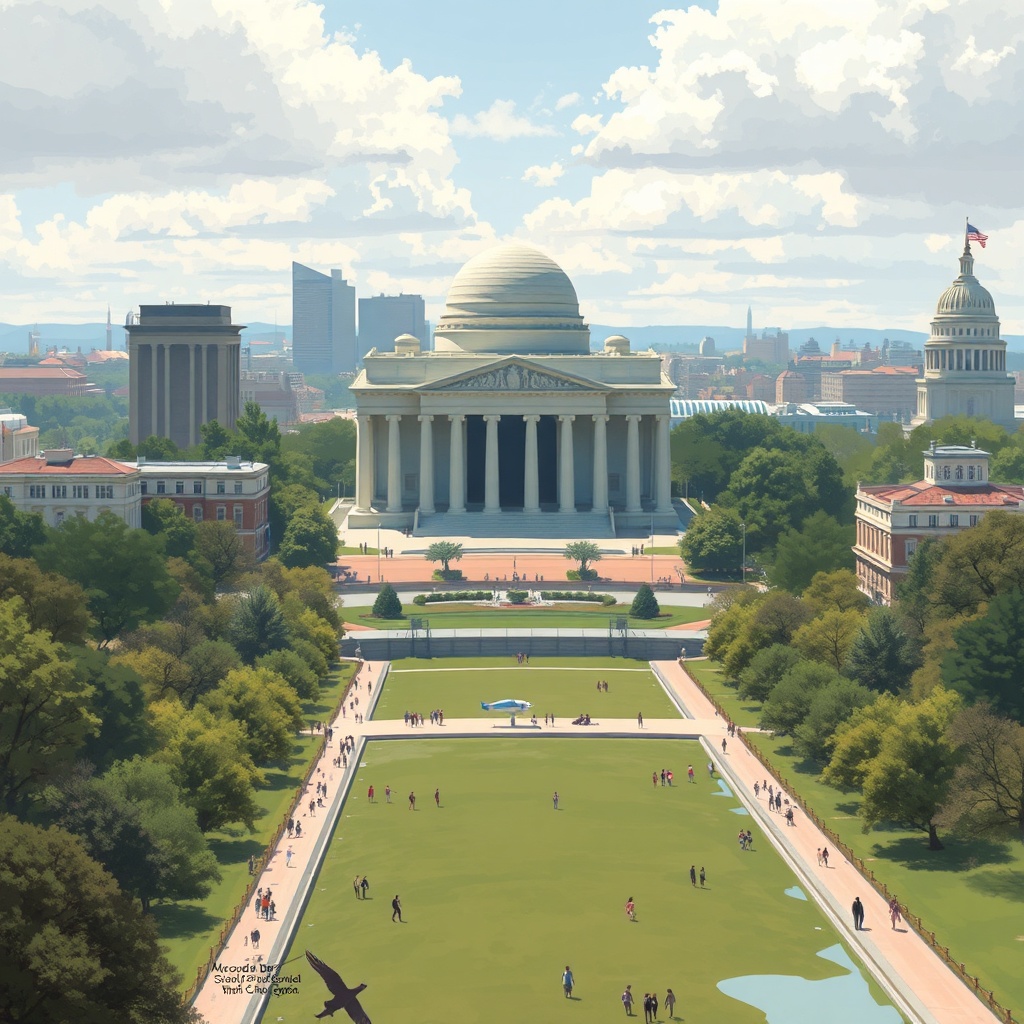
Rediscovering Washington, D.C.: Beyond the Monuments
Washington, D.C. is often pictured as a postcard of monuments and museums, but the city’s real character is found in its neighborhoods, food scene, parks, and riverside paths. Whether you’re a first-time visitor or a local looking for fresh ideas, here’s how to experience the capital with depth and ease.
Neighborhoods with personality
– Georgetown: Cobblestone streets and historic rowhouses meet boutique shopping and waterfront dining. Walk the C&O Canal towpath for a quieter, scenic route.
– U Street & Shaw: A hub for live music, late-night jazz, and a dynamic dining scene. Side streets reveal murals, local bakeries, and intimate venues.
– Navy Yard & The Wharf: Waterfront promenades, modern seafood restaurants, and lively nightlife—great for sunset views and boat rides along the Potomac.
– Anacostia: Emerging galleries, community markets, and cultural institutions provide a different perspective on the city’s history and present.
– Brookland & Edgewood: Known for leafy streets, small museums, and neighborhood coffee shops that are ideal for slow afternoons.
Parks, trails, and outdoor escapes
Beyond the National Mall, the city offers a surprising amount of green space. Rock Creek Park provides miles of hiking and biking trails, while the Anacostia Riverwalk Trail stretches along the waterfront for long walks and birdwatching. The National Arboretum and Kenilworth Aquatic Gardens are tranquil spots for plant lovers and photographers. For a scenic loop, Hains Point on the Potomac is a favorite with runners and bicyclists.
Culture and museums
Many Smithsonian and independent museums remain anchor attractions, but check ahead for timed entries or special exhibitions that may require advance planning.
Smaller institutions and cultural centers, particularly on the city’s east side, showcase local art, history, and music that often fly under the tourist radar. Look for neighborhood gallery nights and pop-up performances for an authentic local vibe.
Getting around
D.C. is highly walkable in many areas, but a mix of transit options helps you cover more ground.
The Metro connects major attractions and neighborhoods—using a contactless card or mobile payment speeds boarding. Capital Bikeshare and dockless scooter services make short trips convenient and give you flexibility without dealing with traffic or parking. For waterfront destinations, seasonal water taxis and river cruises offer a scenic alternative to streets.
Food and drink
From market halls to Michelin-starred restaurants, the city’s food scene is diverse and dynamic. Union Market and a growing number of neighborhood markets showcase local producers and global flavors.
Farm-to-table restaurants coexist with classic late-night eateries and cutting-edge tasting menus—reservations are recommended for popular spots. Don’t skip small bakeries, ethnic grocers, and food trucks for budget-friendly, memorable bites.
Tips for a smarter visit
– Plan around big events and protest marches, which can affect street access and transit scheduling.
– Wear comfortable shoes—many of the best discoveries come by wandering.
– Check museum and attraction entry requirements ahead of time; some popular exhibits require timed tickets.
– Use neighborhood exploration as a strategy: pick two areas to explore deeply rather than trying to see everything.
By looking past the headline attractions and leaning into neighborhoods, parks, and local food, you’ll find a more layered and rewarding Washington, D.C.
experience—one that balances history with everyday life and reveals why the city continues to evolve.