Washington DC: best things to see, eat, and do — a practical guide
Washington DC mixes iconic landmarks with vibrant neighborhoods, world-class museums, and a food scene that keeps evolving.
Whether you’re planning a short city break or a longer urban stay, here’s a focused guide to help you make the most of the capital.
Must-see sights
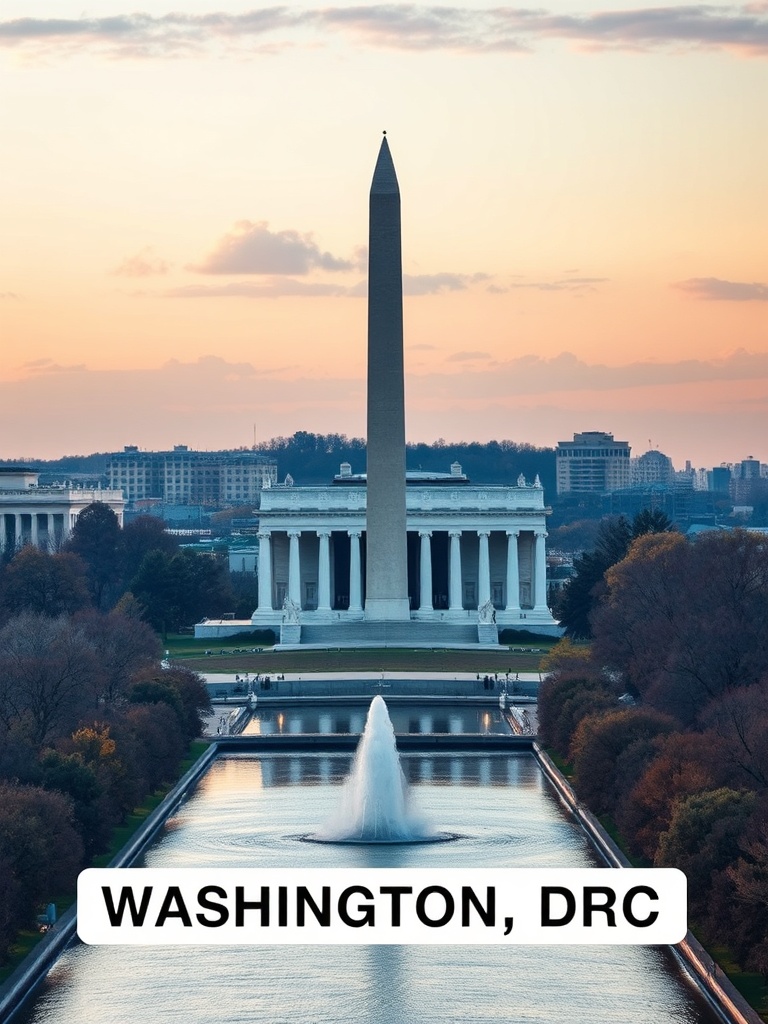
– The National Mall remains the city’s central spine: an easy walk connects the Washington Monument, Lincoln Memorial, and the reflecting pools. Arrive early or later in the day for softer light and fewer crowds.
– Smithsonian museums line the Mall and are free to enter, making them an unbeatable cultural value.
Highlights include the National Museum of American History, the National Gallery’s collection, and the major natural history and air-and-space collections.
– The U.S. Capitol and the Supreme Court anchor the east end of the Mall. Tours are available but often require advance planning and security checks.
– For a quieter escape, head to Rock Creek Park for trails and green space, or visit Theodore Roosevelt Island for a brief nature retreat within city limits.
Neighborhoods worth exploring
– Georgetown blends historic streets, waterfront dining, and boutique shopping. Stroll the cobblestones and explore the C&O Canal.
– U Street and Shaw are lively for live music, late-night dining, and cultural history tied to the city’s jazz legacy.
– The Wharf and the Yards offer waterfront restaurants, outdoor concerts, and a modern marina vibe that’s great for evenings.
– Eastern Market is a classic weekend draw for local produce, crafts, and brunches in a friendly neighborhood setting.
Food and nightlife
DC’s culinary landscape is diverse: Michelin-starred restaurants sit alongside vibrant street food and inventive food halls.
Don’t miss the chance to try regional specialties—modern takes on seafood and farm-focused menus are prevalent. For late-night options, areas like 14th Street and H Street are lively and walkable.
Getting around
The city is highly walkable around the Mall and downtown, and public transit expands reach quickly. Metro rail and buses cover most destinations; many riders use contactless payments or reloadable transit cards. For short hops, the DC Circulator, Capital Bikeshare, scooters, and ride-hail services are convenient options. Expect some delays during peak travel times, so build extra time into your schedule.
Practical tips
– Security screenings are common at museums and federal buildings; pack light and expect bag checks.
– Monument and memorial areas are open daily, with different experiences by light and weather—sunrise and sunset provide dramatic views.
– Weather can change quickly; dress in layers and bring comfortable walking shoes.
– Check event calendars for festivals, free concerts, and special exhibitions that can shape your visit.
Why visit now
Washington DC combines timeless monuments with an active cultural calendar and evolving neighborhoods that reward repeat visits. Those who come prepared to walk, sample diverse food, and explore both major attractions and local pockets will find a city that balances history with lively contemporary culture.
Top quick tips
– Start early to beat crowds at the National Mall.
– Book popular museum or Capitol-area tours ahead when possible.
– Use a mix of walking and transit to cover more ground efficiently.
– Save room for neighborhood dining—some of the city’s best meals aren’t on the main tourist map.
This approach keeps your trip flexible and focused on discovery, whether it’s your first visit or a return trip looking for new experiences.