Washington, D.C., is often thought of for its monuments and museums, but the city’s ongoing transformation into a more resilient, walkable, and culturally vibrant place is equally compelling.
Across neighborhoods, public spaces and infrastructure projects are reshaping how residents and visitors experience the capital.
Green infrastructure and climate resilience are central priorities. The District has pushed for wider adoption of green roofs, permeable pavement, bioswales and rain gardens to manage stormwater and reduce urban heat. Large-scale initiatives along the waterfront prioritize natural buffers—tidal marsh restoration and expanded parkland—to protect low-lying neighborhoods from flooding while creating more public access to rivers. These strategies are paired with community-driven planning to ensure investments improve equity and public health.
Mobility is changing in practical ways. Protected bike lanes and expanded pedestrian corridors make cycling and walking safer and more appealing, while dedicated bus lanes and transit-priority measures aim to improve reliability on busy corridors. Shared micromobility — including e-bikes and scooters — complements metro and bus networks for short trips, making it easier to move between neighborhoods without a car. For visitors, using a contactless transit card or app simplifies navigation; for locals, multimodal commuting is increasingly common.
Waterfront redevelopment has produced lively mixed-use districts that combine parks, restaurants and cultural venues. Places like the Wharf and the Yards Park exemplify this trend, offering public events, waterfront promenades and accessible green space. The Anacostia Riverwalk Trail continues to grow as a recreation corridor, linking communities and opening overlooked riverfronts for cycling, fishing and quiet reflection.
Neighborhoods are evolving in different ways.
Historic corridors retain their architectural character while welcoming new businesses and creative spaces. Markets and food halls have become culinary hubs, showcasing everything from high-end restaurants to intimate pop-ups and international vendors. Community arts centers and local festivals are fueling a cultural renaissance outside the downtown core, making it easier to discover music, art and dining scenes that reflect the city’s diversity.
Public space stewardship is another area to watch. The National Mall remains a focal point for civic life, but smaller parks and community gardens receive attention too—often through partnerships between the city and neighborhood groups.
These efforts prioritize accessibility, maintenance and programming that keeps parks active year-round.
For planners and property owners, stormwater credits, tree-planting incentives and façade improvement programs provide practical ways to contribute to city goals while improving property values. For everyday residents, the small choices matter: planting native species, supporting local transit and attending neighborhood planning meetings all influence how the city grows.
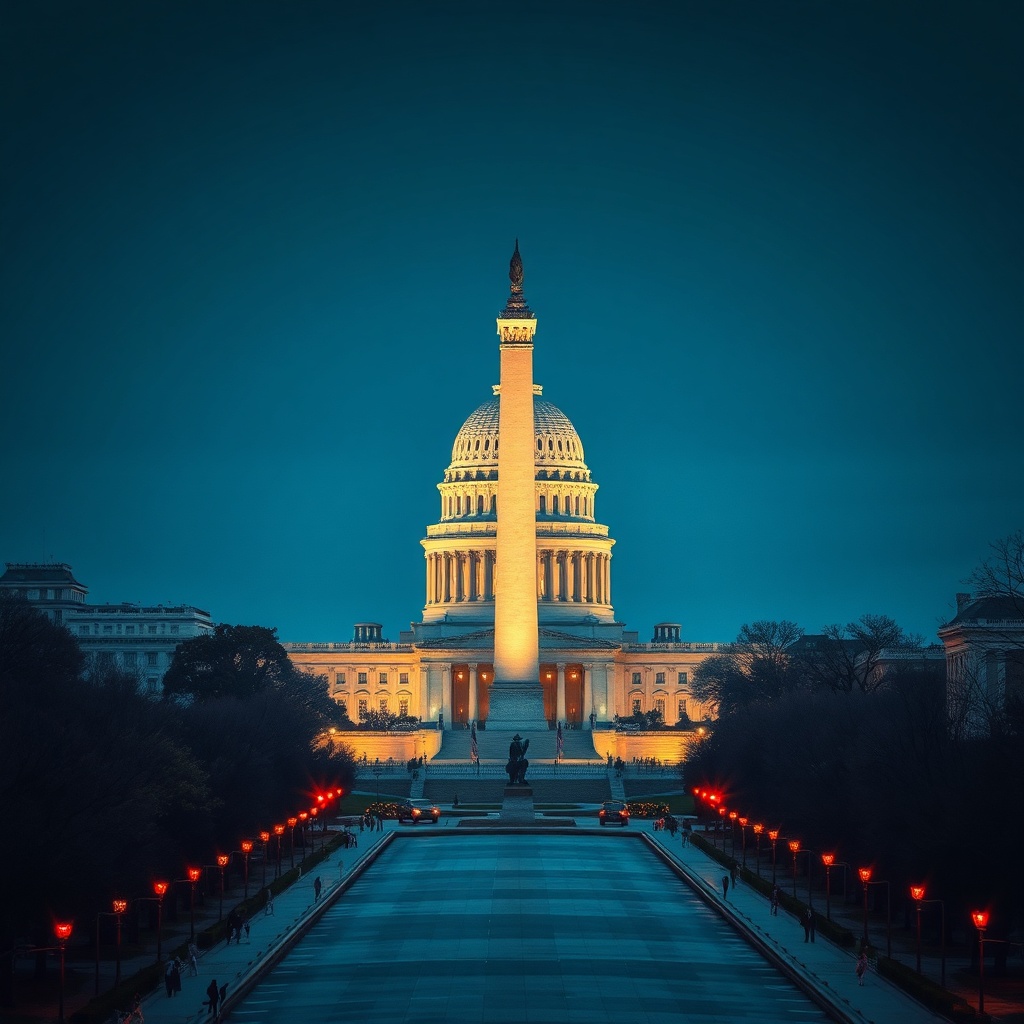
Visiting tips for first-timers: pair a monument walk with a waterfront stroll to see two sides of the city; explore one or two neighborhoods beyond the Mall to get a feel for local life; and consider off-peak transit for a smoother experience.
Whether the draw is architecture, food, outdoor recreation or civic history, the city’s balance of preservation and forward-looking policy makes it an engaging destination for many interests.
With continued attention to equitable investment, mobility improvements and green infrastructure, Washington, D.C., is shaping a future that keeps heritage at its core while adapting to new environmental and social realities. The result is a livable capital that invites deeper exploration beyond the headline attractions.