Washington, DC’s story is more than monuments and museums — it’s a mosaic of neighborhoods, food, green space, and cultural energy that keeps evolving. Whether visiting for the first time or returning often, exploring beyond the National Mall reveals vibrant local life, unexpected culinary finds, and accessible outdoor experiences.
Neighborhoods worth exploring
– Georgetown remains a classic for cobblestone streets, boutique shopping, and waterfront strolls. Its mix of historic architecture and lively dining makes it a relaxing place to wander.
– Shaw and U Street offer a rich blend of music history and nightlife. Jazz clubs, innovative restaurants, and historic theaters make this corridor a cultural hotspot.
– Capitol Riverfront (often called Navy Yard) has transformed into a waterfront neighborhood with parks, baseball games, and modern dining options clustered near the river.
– H Street NE is known for its eclectic arts scene, independent shops, and a growing roster of eateries that reward curious palates.
– Dupont Circle and Adams Morgan each present distinct vibes: cosmopolitan cafés and galleries in one, energetic nightlife and late-night eats in the other.
Eat, drink, and savor local flavors
Washington’s dining scene blends global influences with seasonal American produce. Farm-to-table restaurants, casual taquerias, cozy bakeries, and high-end tasting menus all coexist. For quick bites, neighborhoods have lively markets and food halls that showcase local vendors.
Cocktail bars emphasize craft techniques and regional spirits, while coffee shops double as neighborhood hubs for morning routines.
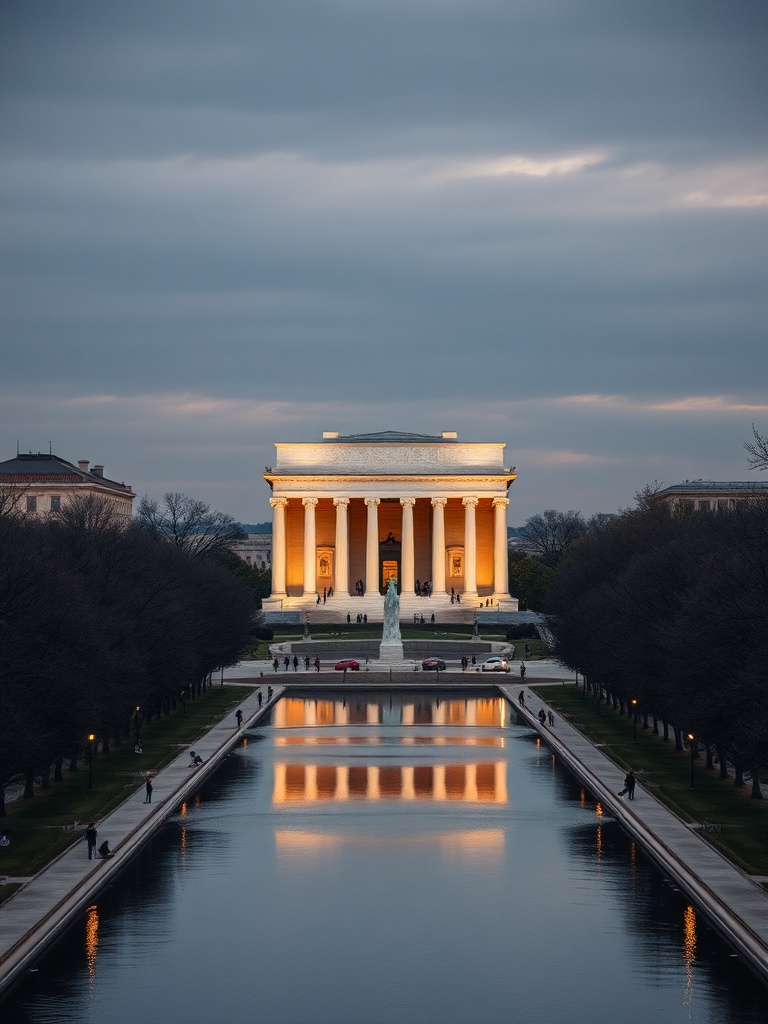
Outdoor attractions and recreation
Beyond the iconic monuments, the city prioritizes green space. Rock Creek Park offers extensive trails for hiking and biking right inside the city limits. The waterfront trails along the Potomac and Anacostia Rivers provide scenic routes for running, cycling, and paddling.
Community gardens and pocket parks give neighborhoods places to relax and connect.
Museums and culture off the beaten path
While national museums attract large crowds, smaller institutions and independent galleries offer focused, engaging experiences. History centers, specialty museums, and artist-run spaces often feature rotating exhibitions and programs with deep local relevance. Gallery walks and neighborhood cultural festivals provide opportunities to meet artists and attend performances.
Getting around efficiently
Public transit coverage is strong, with a metro system connecting major points and bus routes filling in neighborhood gaps. Bike-share and micro-mobility options are plentiful, making short trips easy.
Parking is limited and often metered, so relying on transit or rideshares is usually more convenient, particularly near downtown attractions.
Visitor tips and practicalities
Plan museum visits early in the day to avoid peak crowds, especially at popular spots.
Many attractions require timed-entry or pre-booked passes, so check ahead for reservations. Dress for walking and carry a refillable water bottle — the city is a very walkable grid with frequent opportunities to sit outdoors.
Keep an eye on neighborhood calendars for farmers’ markets, street festivals, and pop-up events that add local flavor.
Why explore beyond the Mall
Finding balance between iconic sights and neighborhood discovery creates a richer impression of the city.
Local eateries, community spaces, and smaller cultural venues reveal everyday life and give visitors more personal, memorable experiences. For anyone plotting a trip or first-time exploration, mixing landmark visits with neighborhood walks is the best route to understanding what makes this city uniquely magnetic.