DC Restaurants: Where to Eat, What’s Trending, and How to Navigate the Scene
Washington DC has long been a dining destination beyond its political reputation. A dynamic mix of chef-driven tasting menus, neighborhood staples, global flavors, and casual counters makes the city ideal for food lovers. Whether you want upscale dining or late-night bites, here’s a practical guide to getting the most from DC’s restaurant scene.
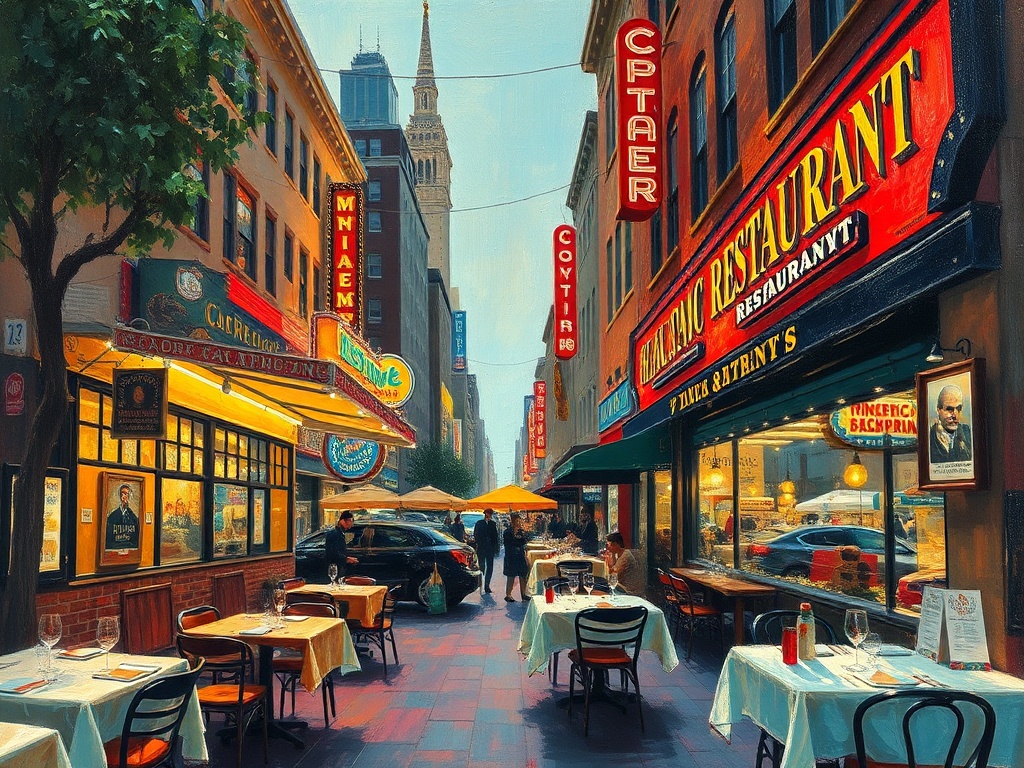
Why DC Restaurants Stand Out
– Diverse culinary influences: From Ethiopian and Salvadoran to contemporary American and modern Asian, DC’s dining reflects a wide cultural tapestry. Many chefs draw on global flavors while emphasizing local produce.
– Chef-driven concepts: Expect seasonal menus and thoughtful tasting experiences where technique meets storytelling. Menus often change with local harvests, keeping offerings fresh and inventive.
– Strong cocktail culture: Craft cocktail bars and inventive beverage programs pair well with small plates and tasting menus. Many spots collaborate with local distilleries and breweries.
Neighborhood Highlights
– Penn Quarter and Chinatown: Central and convenient, this area blends tourist-friendly options with chef-led restaurants and vibrant cocktail bars.
– Logan Circle and Shaw: Known for lively dining corridors, these neighborhoods feature a mix of fine dining, casual bistros, and late-night spots.
– U Street and Adams Morgan: Great for eclectic, multicultural dining and soulful late-night scenes. Live music and community-centered eateries are common.
– Navy Yard and Capitol Riverfront: Waterfront spots and modern eateries cater to after-work crowds and weekend visitors.
– Georgetown: Historic settings and upscale dining line the canals and brick streets; expect scenic patios and classic menus.
– Union Market and food halls: Market-style halls offer a curated collection of vendors—perfect for groups with varied tastes or quick, high-quality casual meals.
Trends Shaping Dining
– Farm-to-table and sustainability: Restaurants increasingly prioritize local sourcing, hyper-seasonal menus, and waste reduction. Look for collaborations with nearby farms and sustainable seafood practices.
– Plant-forward menus: More menus feature vegetable-led plates and creative plant-based entrees that appeal beyond vegetarian diners.
– Elevated casual: The line between fast and fine dining continues to blur.
Expect high-quality ingredients in approachable formats—wood-fired pizzas, refined sandwiches, and elevated bowls.
– Pop-ups and residencies: Emerging chefs often use pop-up dinners and chef residencies as a launchpad for new concepts, so keep an eye on restaurant calendars and social channels.
Practical Tips for Diners
– Make reservations for popular spots, especially on weekends and holidays. Walk-ins are possible at casual counters and during off-peak hours.
– Explore lunch and happy hour menus for better value; many chef-driven restaurants offer shorter, more affordable midday options.
– Use neighborhood hopping to sample multiple places in one outing—start with appetizers in one area, entrees nearby, and cocktails in another.
– Consider food tours or market visits (like Union Market) for a concentrated taste of local vendors and specialties.
– Mind transit and parking: Many neighborhoods are walkable or served by public transit and ride-shares.
If driving, check parking options in advance.
Hidden Gems and What to Expect
DC’s charm is often in small, family-run eateries, late-night spots tucked away on side streets, and chefs experimenting with regional flavors. Plan a mix: one elevated tasting-menu experience, one neighborhood favorite, and a casual market or late-night find to get a full taste of what the city offers.
For anyone exploring DC’s restaurants, curiosity pays off. Come hungry, be open to new flavors, and you’ll leave with memorable meals and a sense of the city’s evolving culinary identity.