Washington, DC is more than its landmark skyline and federal institutions.
For visitors and residents alike, the city offers a blend of history, culture, neighborhood discovery, and a food scene that rewards curious explorers.
Here’s how to experience DC like someone who knows the shortcuts, the best times to go, and where the city’s energy really shines.
Get around smart
Public transit remains the fastest way to move through core neighborhoods. Use the Metro for major corridors, but pair it with bike-share or scooters for short hops and last-mile connections. Many neighborhoods are highly walkable, and ride-hail apps are convenient late at night. Planning routes around Metro station access and bus priority lanes will save time during peak hours.
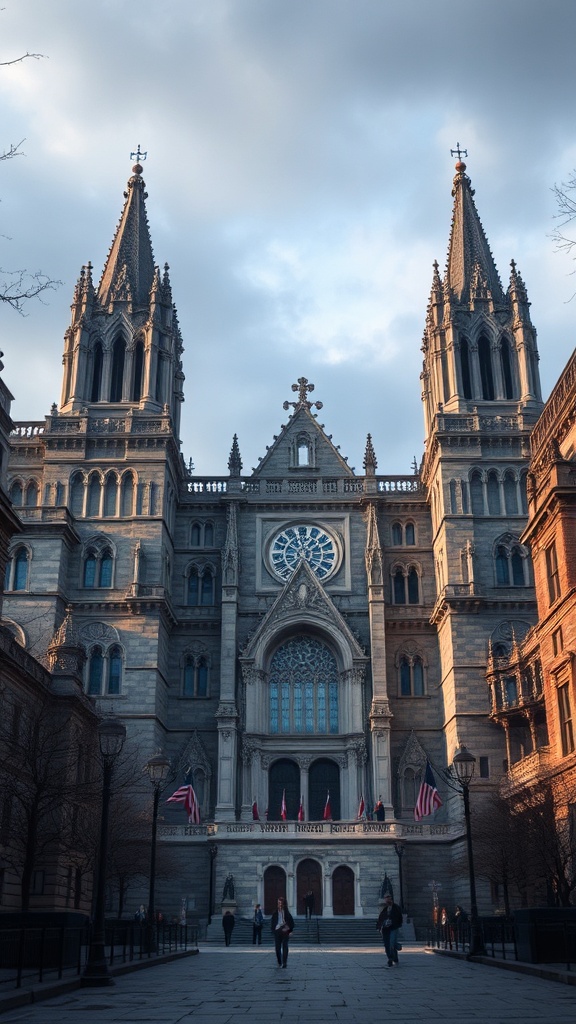
Experience the museums with intention
The Smithsonian museums along the National Mall are world-class and many offer free admission. Rather than trying to see everything, pick two or three that match your interests—art, aviation, natural history, or cultural museums—and spend more time there. Smaller institutions off the Mall, including specialty museums and neighborhood galleries, often offer unique perspectives and quieter galleries.
Explore neighborhoods beyond the Mall
– Georgetown: cobblestone streets, waterfront walks, boutique shopping, and historic homes give it a polished vibe. Stroll the C&O Canal for a tranquil break.
– U Street Corridor: a music and nightlife hub with live jazz clubs, vibrant murals, and a strong culinary scene.
– Adams Morgan: known for eclectic dining, late-night bars, and a multicultural atmosphere.
– Shaw and Logan Circle: great for trendy restaurants, bakeries, and the city’s coffee culture.
Food and drink
DC’s food scene blends global influences with regional ingredients. Look for seasonal menus, chef-driven small plates, and robust brunch offerings. Farmers markets and neighborhood pop-ups are excellent ways to sample fresh and local products. For nightlife, rooftop bars, speakeasies, and live music venues provide lively options after dinner.
Take advantage of outdoor spaces
Parks, waterfront trails, and riverfront developments offer relaxing escapes. The National Mall is a must-see, but also visit smaller green spaces and community parks to see how locals spend free afternoons. Waterfront areas by the Potomac and Anacostia rivers offer walking and biking routes with views that rival more crowded tourist spots.
Plan for crowds and timing
Monuments and popular museums draw peak crowds midday and on weekends.
Early morning or late afternoon visits often mean fewer people and better light for photos. Many cultural institutions and restaurants are busiest during special events or festivals; checking neighborhood calendars before heading out helps avoid surprises.
Safety and accessibility
Like any major city, being aware of surroundings and using well-lit, populated routes at night improves comfort. DC continues to expand accessibility in public spaces and transit; check museum accessibility pages and Metro station elevator status if mobility is a concern.
Local events and cultural rhythms
Neighborhood festivals, farmers markets, and outdoor concerts shape DC’s seasonal life. Keeping an eye on community calendars helps you discover pop-up events, gallery openings, and food festivals that bring local flavor to the surface.
Make it personal
The best way to experience DC is to mix iconic sites with neighborhood discoveries. Spend a morning at a major museum, an afternoon wandering a lesser-known neighborhood, and an evening eating where locals go. That balance creates an itinerary that feels both memorable and authentic—just like a day in the life of someone who lives here.