George Washington University: Why Its Washington, D.C. Location Changes the College Experience
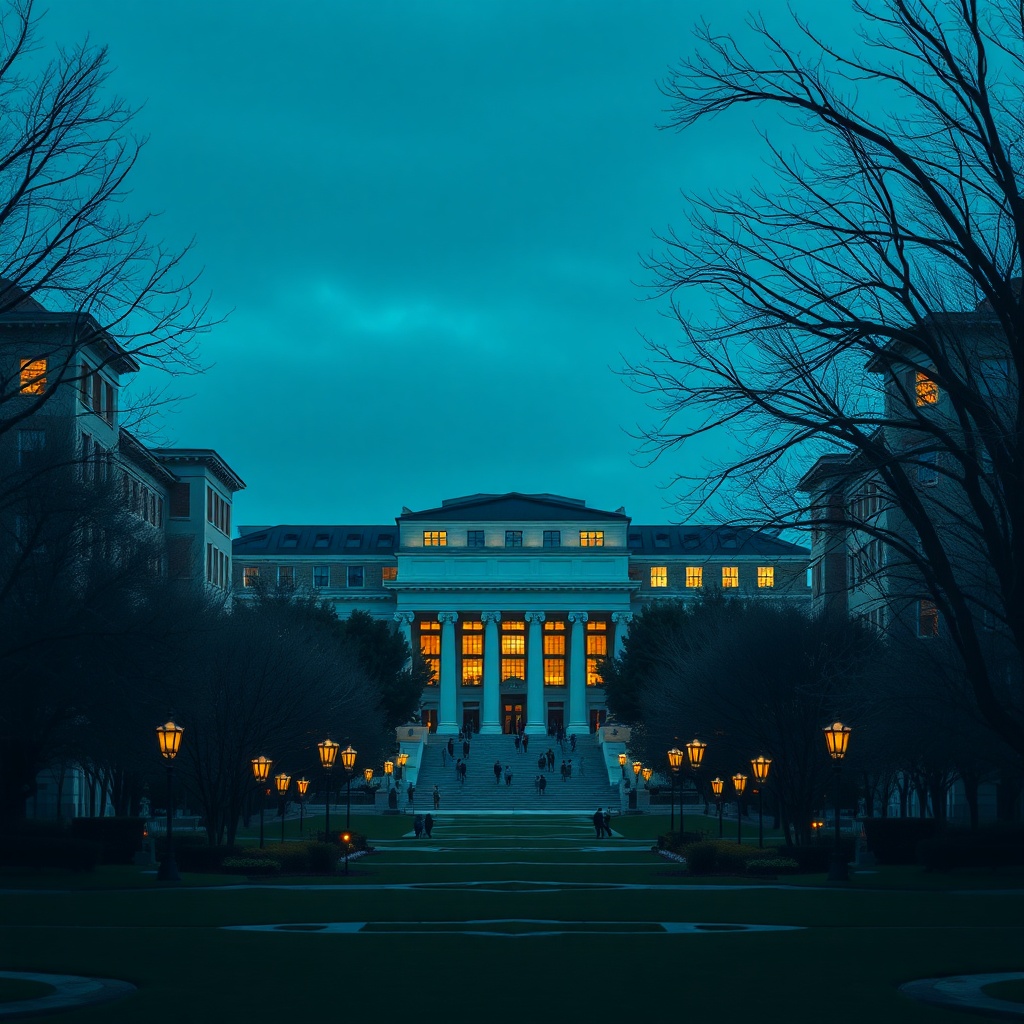
George Washington University (GW) combines a dense urban campus with direct access to the institutions that shape global policy, public health, media, and law.
For students drawn to careers in public service, international affairs, health policy, or media, GW’s location at the heart of the capital turns classrooms into launchpads for internships, research partnerships, and experiential learning.
Location and access
Situated steps from federal agencies, international organizations, major think tanks, and newsrooms, GW offers unmatched proximity to internship and networking opportunities. The Foggy Bottom neighborhood and nearby Metro stop make commuting across the city straightforward, and the close connections to government and nonprofit sectors mean students can balance rigorous coursework with real-world experience.
Academic strengths and research
GW has well-known strengths in international affairs, public policy, public health, law, journalism, and engineering. Interdisciplinary centers and institutes frequently collaborate with federal agencies and external partners, creating pathways for students to contribute to meaningful research and policy projects.
Clinical and translational work benefits from GW Hospital and partnerships with local health systems, offering hands-on learning for health sciences students.
Career preparation
Career services at GW emphasize experiential learning—internships, externships, fellowships, and government placements are integral to many degree plans. Employers and alumni in the city provide mentorship and recruitment pipelines, while employer engagement events and career fairs draw public, private, and nonprofit organizations to campus.
For students, combining classroom study with part-time roles or research positions boosts marketable skills and professional networks.
Student life and campus culture
Campus life is lively and diverse.
Student organizations span advocacy, arts, entrepreneurship, and cultural groups, reflecting the university’s global student body.
Residential life options focus on community-building in a dense urban setting, and campus dining and programming adapt to a student population balancing academics, internships, and civic engagement.
GW’s location also means cultural institutions, museums, theaters, and policy events are minutes away, enriching campus life beyond typical college offerings.
Global perspective and study abroad
A global orientation is central to GW’s identity. Many programs integrate study abroad, international internships, and country-specific research or policy work. The university’s connections with embassies, international organizations, and multinational NGOs make it easier for students to gain global exposure while maintaining close ties to faculty mentors.
Tips for prospective and current students
– Leverage location: Apply early for internships and talk to professors about projects tied to federal agencies or think tanks.
– Be intentional with coursework: Combine majors or minors (for example, political science with data analytics) to stand out to employers.
– Network strategically: Use alumni events and career services to build relationships before job-search season.
– Seek experiential credits: Look for faculty-led research, policy clinics, or practicum courses that offer credit and practical experience.
– Balance campus and city life: Plan schedules to manage commuting, internships, and on-campus obligations without burning out.
Financial aid and affordability
Various scholarships, grants, and assistantships are available; prospective students should work closely with the financial aid office to explore merit- and need-based options as well as external funding opportunities tied to internships or fellowships.
Why it matters
For students focused on careers that intersect with government, international policy, public health, media, or law, George Washington University’s urban setting and institutional partnerships provide a distinctive platform. The combination of rigorous academics, persistent access to professional ecosystems, and abundant experiential learning options creates a dynamic environment where theory and practice meet.