George Washington University offers a distinctive urban campus experience that blends rigorous academics with unmatched access to the institutions that shape public life.
Located in the heart of the city, the university leverages proximity to federal agencies, international organizations, think tanks, and cultural institutions to create career-defining opportunities for students.
Academic strengths and interdisciplinary programs
The university is known for strong programs in public policy, international affairs, business, law, medicine, and public health. Interdisciplinary centers and research institutes bring faculty, practitioners, and students together to tackle complex problems — from global security and public health to technology policy and urban sustainability.
Small seminar-style courses are balanced with large lectures and experiential learning options, giving students flexibility to tailor their education to professional goals.
Career connections and internships
One of the university’s biggest advantages is its built-in pipeline to internships and entry-level positions.
Career services work closely with federal agencies, NGOs, major employers, and alumni in the region to connect students with internships that often turn into full-time jobs. Programs emphasize résumés, networking, interview prep, and on-campus recruiting, while curriculum-linked internships and policy labs let students apply classroom learning to real-world challenges.
Campus life and student resources
Campus life mixes the energy of a major city with a cohesive student community. Residence halls, student centers, and lively social spaces host hundreds of student organizations — from cultural clubs and professional societies to arts groups and student government. Wellness resources include mental health counseling, medical services, and recreational facilities designed to support both academic success and personal wellbeing. Campus safety is supported by a dedicated security presence and well-developed emergency planning.
Research, innovation, and entrepreneurship
Research is a core component of the university experience across disciplines. Students can participate in faculty-led research, clinical rotations, and community-engaged projects.
The university supports innovation through entrepreneurship programs, incubators, and partnerships that help students and alumni translate ideas into startups and social enterprises. Access to capital networks and mentorship in the city helps early-stage ventures gain traction.
Global learning and study abroad
Global learning is emphasized through study abroad, exchange programs, and international internships.
Students benefit from the university’s global networks and partnerships, allowing for culturally immersive experiences that strengthen language proficiency and cross-cultural competencies — essential skills for careers in diplomacy, international development, and global business.
Community engagement and public service
Public service is central to the university’s mission. Students often engage in community partnerships, pro bono legal clinics, public health outreach, and policy advocacy projects that address local needs while building professional experience.
Service-learning courses and volunteer initiatives connect academic study with meaningful community impact.
Sustainability and campus improvements
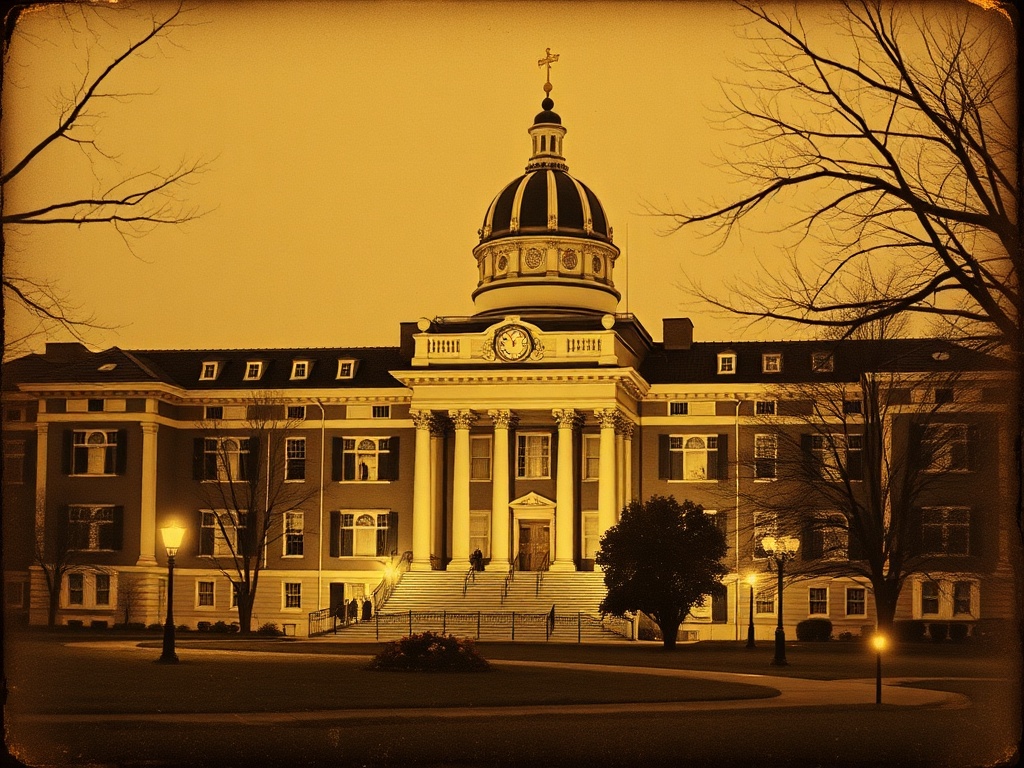
Sustainability efforts and campus improvements focus on greener operations, energy efficiency, and enhanced public spaces. Investments in sustainable buildings, transportation alternatives, and waste reduction programs aim to improve the campus footprint while creating healthier environments for students and neighbors.
Tips for prospective students
– Visit the campus and attend a class or info session to get a feel for academic culture and campus energy.
– Explore internship and career pathways in your field early; the university’s location makes early networking particularly valuable.
– Look into interdisciplinary majors or minors to combine technical skills with public-facing disciplines like policy or communications.
– Take advantage of research and experiential learning opportunities—faculty-led projects and policy labs can be career catalysts.
With its urban setting, strong professional networks, and emphasis on experiential learning, the university provides a compelling environment for students focused on making an impact in public affairs, health, business, and beyond.