George Washington University: What Prospective Students and Visitors Should Know
Nestled in the heart of the nation’s capital, George Washington University (GW) offers a blend of rigorous academics, hands-on opportunities, and urban campus life that appeals to students drawn to policy, research, health care, business, and the arts. For anyone considering GW or looking to make the most of their time there, understanding what sets the university apart helps turn opportunities into long-term advantages.
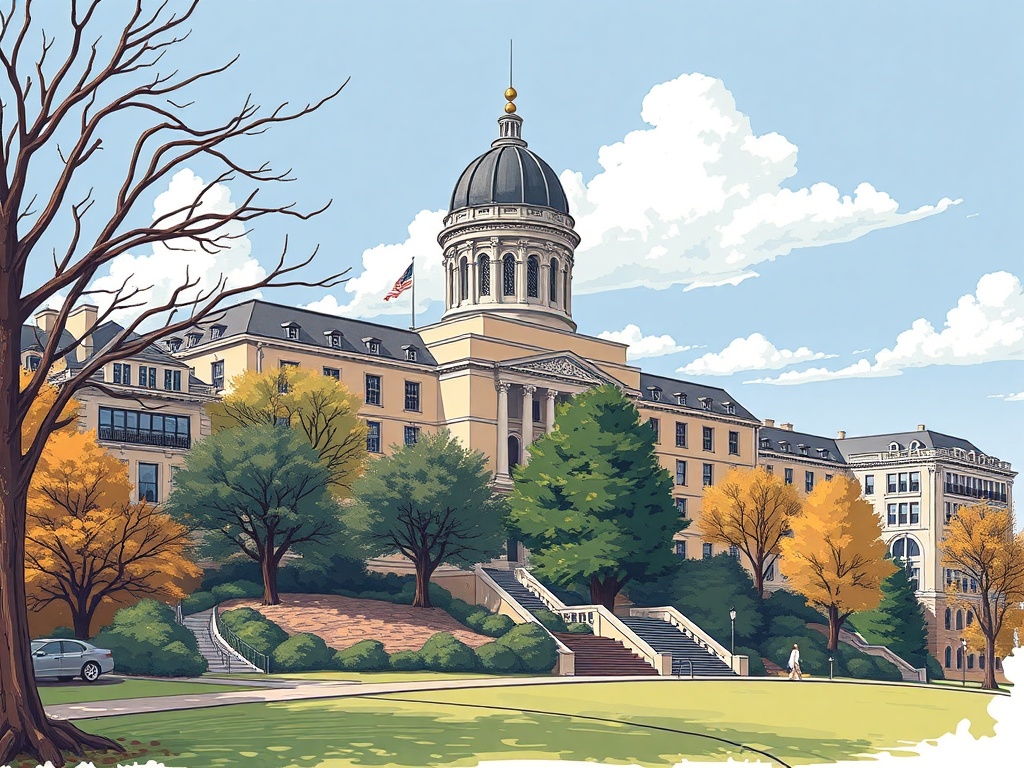
Academic strengths and research
GW is known for strong programs across several professional schools—international affairs, law, business, medicine and health sciences, and the arts and sciences.
Interdisciplinary research centers and institutes support work on public policy, global affairs, cybersecurity, and health innovation.
Students often find chances to collaborate with faculty on funded research, join lab teams, or pursue capstone projects that build a marketable portfolio.
Location as an academic and career asset
Foggy Bottom’s location is a defining advantage. Proximity to government agencies, congressional offices, think tanks, NGOs, embassies, and major cultural institutions creates unmatched internship and networking pathways.
Many students secure internships that translate into full-time roles because the campus is integrated into the professional ecosystem of the city.
For students focused on diplomacy, public policy, law, journalism, or health policy, the city itself functions as an extended classroom.
Career preparation and alumni network
Career services emphasize experiential learning, résumé refinement, interview prep, and employer connections. On-campus recruiting and career fairs bring public, private, and nonprofit employers directly to students.
The alumni network—active in many sectors—provides mentoring, informational interviews, and recruitment channels that are especially useful for first-time job seekers or those switching careers.
Campus life and student engagement
Student organizations span academic clubs, cultural groups, political organizations, and recreational teams. Campus events—guest lectures, panel discussions, and cultural performances—regularly bring policymakers, scholars, and industry leaders to campus. Housing options vary from traditional residence halls to more independent living, with many students choosing to live on campus during their first years to connect socially and academically.
Health care and clinical training
GW’s medical and health programs are closely linked to clinical settings and hospitals that offer practical training. Students in nursing, medicine, and allied health fields typically engage in clinical placements and community health initiatives that enhance clinical skills and patient-centered care experience.
Safety, sustainability, and campus improvements
Campus safety programs, including escort services and a campus police presence, aim to maintain a secure environment for students and visitors. Sustainability initiatives on campus focus on energy, waste reduction, and green building practices, with opportunities for students to participate in sustainability projects and leadership roles.
Tips for applicants and incoming students
– Showcase experiential learning in your application: internships, research, community service, or leadership roles matter.
– Visit or take a virtual tour to get a feel for campus culture and resources.
– Use the university’s career services early—first-year internships can shape academic choices and long-term plans.
– Join student organizations that match your academic and personal interests to build community and professional skills.
– Explore scholarships and research funding—many departments offer competitive awards for undergraduate and graduate work.
Whether focused on public policy, health, business, or the humanities, students attracted to an urban, connected university will find a wealth of resources at George Washington University. The key is to combine classroom learning with the city’s real-world opportunities to maximize both education and career outcomes.