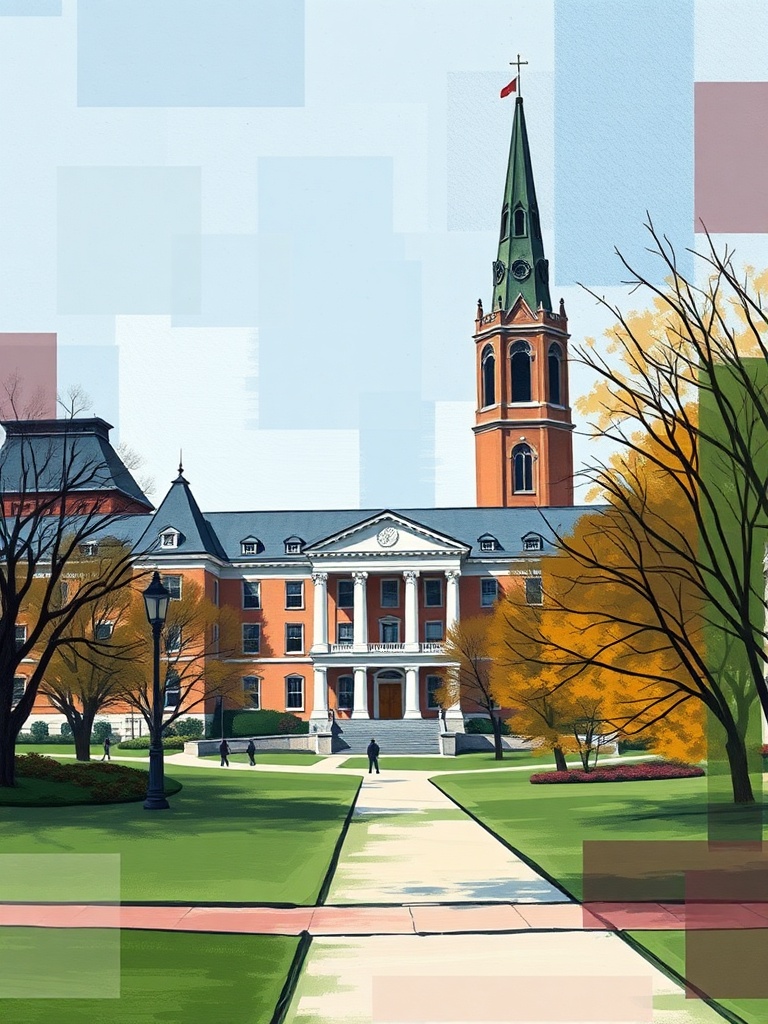
Georgetown University: Tradition, D.C. Access, and Modern Momentum
Nestled in a historic neighborhood along the Potomac, Georgetown University blends a rich Jesuit intellectual tradition with strong ties to the policymaking and cultural life of Washington, D.C. That combination makes it a distinctive choice for students drawn to public service, international affairs, law, business, and interdisciplinary research.
Academic strengths and signature programs
Georgetown’s School of Foreign Service is widely known for preparing students for global careers in diplomacy, international development, and security. Equally notable are the McDonough School of Business and the Law Center, each offering professional training that leverages Washington’s policy and legal ecosystems.
Across colleges and graduate schools, interdisciplinary programs—combining data, health, policy, and ethics—reflect growing employer demand for graduates who can navigate complex, cross-sector challenges.
Experiential learning and D.C. advantages
One of Georgetown’s biggest draws is experiential learning tied to the capital city. Internships, externships, and research positions are accessible at think tanks, federal agencies, international organizations, and embassies—opportunities that often translate into meaningful career pathways. For students, the proximity to policymakers and professionals creates networking advantages that extend beyond classroom learning.
Campus life and values
Georgetown’s Jesuit identity shapes campus culture around cura personalis (care for the whole person) and service. Student organizations are active across civic engagement, arts, entrepreneurship, and athletics, giving students regular chances to lead and collaborate. The campus itself combines early American architecture with contemporary facilities, offering study hubs, innovation spaces, and community-centered venues that support both quiet research and vibrant social life.
Sustainability and social responsibility
Sustainability has become an institutional focus, with investments in energy efficiency, green building practices, and campus initiatives that reduce environmental impact.
Endowment stewardship and socially responsible investing remain topics of active dialogue among students, faculty, and administrators, reflecting broader societal conversations about climate responsibility and ethical governance.
Research and healthcare connections
Research at Georgetown spans the humanities, social sciences, and STEM fields, with particular strengths in public policy, bioethics, and health policy. Clinical and translational opportunities are reinforced by partnerships with nearby hospitals and health centers, enabling students and faculty to work on real-world healthcare challenges while contributing to community health initiatives.
Global engagement and alumni network
Study abroad programs and global research partnerships extend Georgetown’s reach. The alumni network—spread across government, international organizations, business, and academia—provides mentorship and career channels that are often cited by current students as a major resource for internships and job placement.
Practical tips for prospective students
– Explore program pages and faculty research to match academic interests with active projects.
– Plan visits to campus and schedule conversations with current students or admissions counselors to get a sense of fit.
– Prioritize experiential opportunities—internships and research—that align with career goals and build professional networks in D.C.
Why it matters
For students seeking an education that combines intellectual rigor, public service orientation, and hands-on experience in one of the world’s most consequential cities, Georgetown offers a blend of tradition and modern momentum. Whether aiming for diplomacy, law, business leadership, or social impact, students find a campus culture that emphasizes ethical leadership, cross-disciplinary learning, and real-world engagement.
To learn more, review program curricula and contact departments or student groups to get a first-hand look at how Georgetown integrates academics with the opportunities of Washington, D.C.