The Washington Wizards are navigating a phase that blends opportunity and accountability — a mix of youth development, savvy front-office moves, and renewed attention to identity on both ends of the floor. For local fans and national observers, the franchise represents a case study in how an NBA team rebuilds while keeping a passionate market engaged.
What the organization is prioritizing
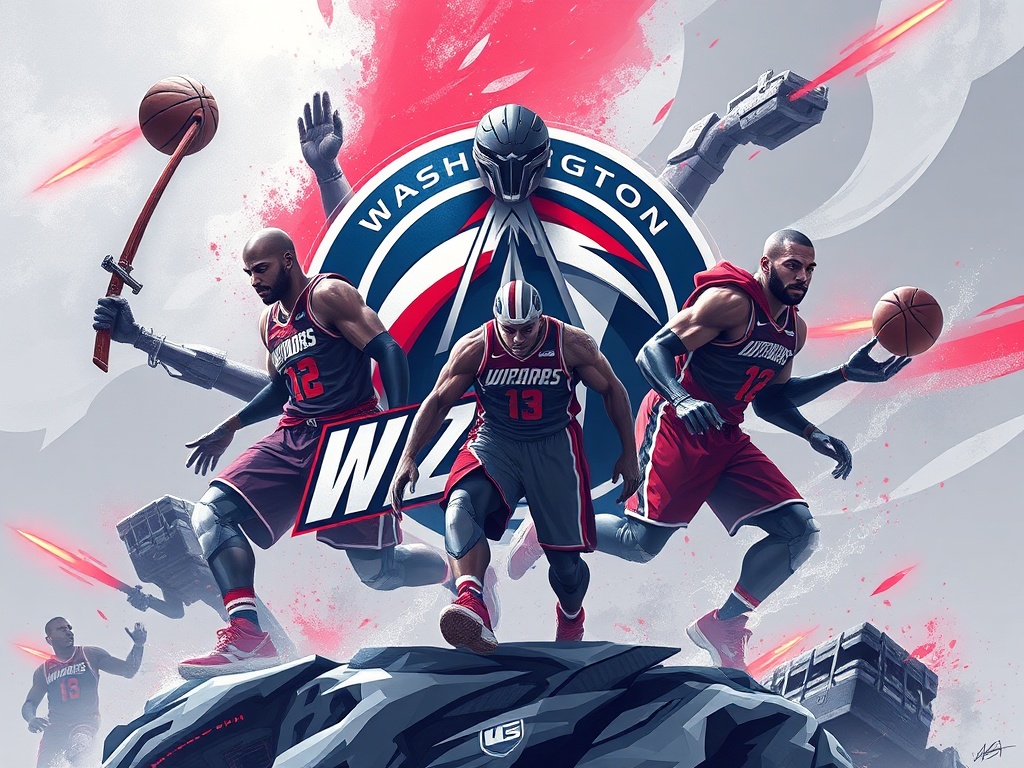
– Player development: Investment in coaching, performance staff, and the G League pathway is central. The Wizards are focusing on turning draft picks and young signings into reliable rotation players through individualized skill work, nutrition, and analytics-driven training plans.
– Flexibility: The front office aims to preserve cap and trade flexibility to pivot when a clear upgrade appears, balancing long-term upside with short-term competitiveness.
– Culture and leadership: Veterans with strong locker-room presence are being used strategically to mentor emerging talent and set professional standards.
Style of play to watch
Teams that successfully transition from rebuilding to contention often define a clear style. For the Wizards, key elements likely include:
– Spacing and pace: Modern offenses thrive on three-point gravity and quick ball movement. The Wizards appear intent on creating shots for high-efficiency scorers while pushing in transition when possible.
– Defensive identity: Improving team defense — rotations, communicate-driven switches, and rim protection — remains the fastest path to winning more close games.
– Positionless versatility: Lineups that can switch and defend multiple positions while creating mismatches on offense give a tactical edge in playoff-style matchups.
Front-office signals and roster construction
Smart franchises today build with a mix of young talent, controllable contracts, and complementary veterans. The Wizards’ approach emphasizes drafting high-upside players, identifying undervalued veterans who fit the system, and using analytics to maximize fit rather than star power alone. This improves the chance that a breakthrough player or savvy trade accelerates the timeline.
Fan experience and arena atmosphere
Capital One Arena continues to be a lively home for Wizards basketball. Fan engagement extends beyond gameday: community clinics, youth programs, and local partnerships keep the team visible across the D.C. area.
For traveling fans or newcomers, watching in-house young talent develop offers a front-row seat to the franchise’s evolution.
What to watch this stretch
– Rookie and sophomore growth: Tracking year-over-year improvement in decision-making, shot selection, and defensive attention reveals who might become a cornerstone.
– Free-agent signings and midseason trades: Spotting moves that add shooting, perimeter defense, or veteran playoff experience can be predictive of a push toward contention.
– Coaching adjustments: How the staff adapts lineups and rotations against different opponents signals the team’s long-term ceiling.
How fans can stay involved
– Attend games and watch locally to support home-court energy.
– Follow development narratives rather than single-game results; growth projects often look messy before they click.
– Engage with community events and youth programs, which strengthen the city-team bond and create the next generation of fans.
Overall, the Wizards present a compelling blend of challenge and promise. Progress may be incremental, but with the right development, roster construction, and tactical identity, the franchise is positioned to turn potential into consistent competitiveness while keeping Washington’s basketball community firmly invested.